
Summary
Just one day before the first phase of the West Bengal Assembly elections, a major controversy has emerged over the voter lists. While reports suggest that lakhs of people have been left off the voting rolls, only 136 names were restored following a legal review. This small number has caused widespread concern about whether many citizens are being denied their right to vote. Most of the people who were added back to the list are government employees needed to run the election, leaving ordinary citizens waiting for answers.
Main Impact
The primary impact of this situation is the potential loss of voting rights for a massive number of people in West Bengal. With 152 constituencies going to the polls in the first phase, the timing of these updates has created confusion and fear. The fact that only a tiny fraction of excluded voters were reinstated suggests that the legal process for fixing the lists is not working for everyone. This has led to accusations that the system is prioritizing administrative needs over the basic rights of the public.
Key Details
What Happened
The Election Commission of India released a supplementary voter list late Wednesday night. This list was published following a directive from the Supreme Court. The new list showed that only 136 people had their names restored to the rolls after being cleared by special tribunals. At the same time, two more names were removed. This update came just hours before polling was set to begin on April 23, making it very difficult for people to check their status or take further action.
Important Numbers and Facts
The scale of the problem is significant. While only 136 names were restored, some political groups and observers claim that as many as 27 lakh (2.7 million) voters have been excluded from the rolls. An official from the tribunals noted that nearly 95 percent of the 136 people cleared are government staff and booth-level officers. These individuals were prioritized because they are required to work at the polling stations. Without their names on the list, they would have been unable to perform their official duties during the election.
Background and Context
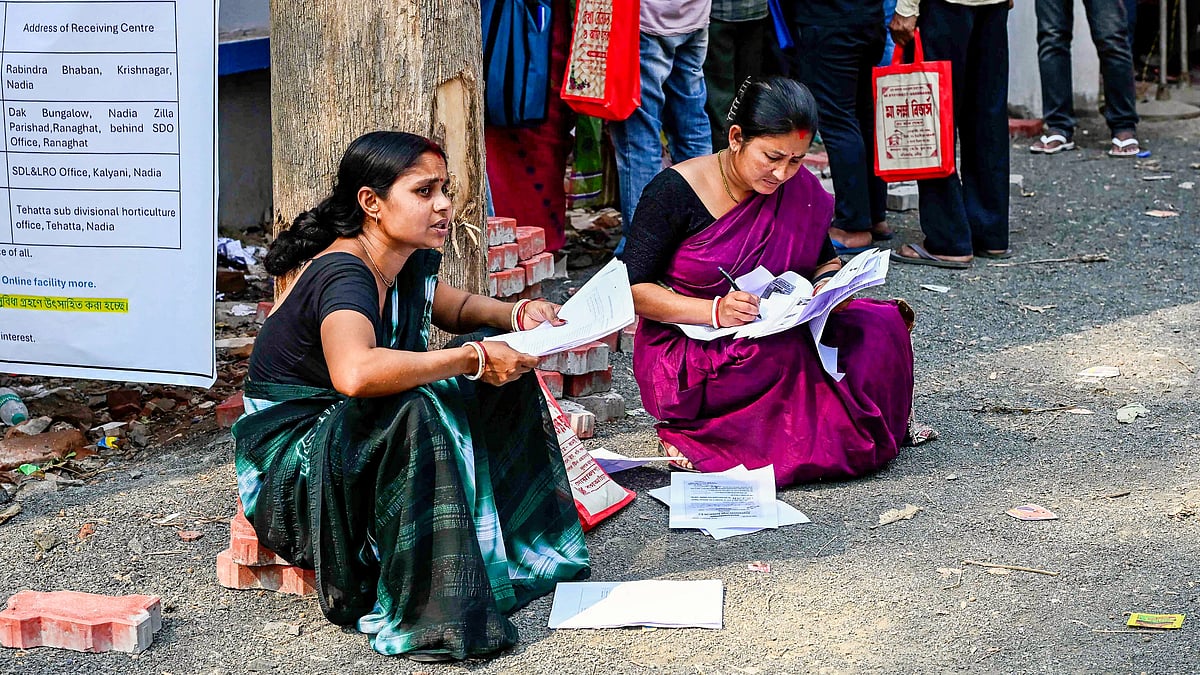
The issue began on February 28, when the final voter lists were published. At that time, around 60 lakh names were flagged for review. Many people found that their names had been removed and sought help from appellate tribunals. These tribunals are special legal bodies set up to hear appeals regarding the voter list. The Supreme Court stepped in using its special powers to ensure that anyone cleared by these tribunals by April 21 could vote in the first phase. Those cleared by April 27 would be eligible for the second phase on April 29. Despite these legal protections, the actual number of people being helped remains very low.
Public or Industry Reaction
The reaction from political parties has been divided. The ruling Trinamool Congress (TMC) has criticized the process, calling it a mass denial of voting rights. Party leaders argued that restoring only 136 names is a tiny and insufficient response to such a large problem. They questioned why so many ordinary citizens are still unable to vote.
On the other hand, the BJP has defended the Election Commission's actions. Party representatives stated that names were removed because of a lack of proper documents. They argued that the tribunals are doing their job by carefully checking each case rather than simply adding everyone back without proof. Meanwhile, lawyers have taken the matter to the Calcutta High Court, claiming the process lacks transparency and that many people with valid documents are still being ignored.
What This Means Going Forward
As the election moves into its first phase, the focus will remain on the millions of people who cannot vote. The legal battles in the Calcutta High Court will likely continue, with judges asking for more information on how the lists were handled. There is a risk that the second phase of the election will face similar problems if the tribunals do not speed up their work. For many citizens, the chance to participate in this election may already be lost, raising serious questions about the fairness of the electoral process in the state.
Final Take
The right to vote is the foundation of any democracy. When administrative errors or slow legal processes prevent large numbers of people from casting their ballots, it weakens the entire system. While it is important to have accurate voter lists, the process must be fair and accessible to everyone, not just government employees. The current situation in West Bengal serves as a reminder that protecting the rights of every individual voter must always be the top priority during an election.
Frequently Asked Questions
Why were only 136 names restored to the voter list?
The tribunals cleared these names after a review process. Most of those restored were government employees who needed to be on the list to perform their election duties. Many other cases are still pending or have not been processed.
Can people still get their names back on the list for the next phase?
Yes, according to the Supreme Court, those who are cleared by the tribunals by April 27 will be eligible to vote in the second phase of the election on April 29.
How can voters check if their names have been added back?
The Election Commission has provided "addition" and "deletion" lists online. Voters can check these lists using their EPIC (voter ID) number or by looking up their specific polling booth details on the official website.

