
Summary
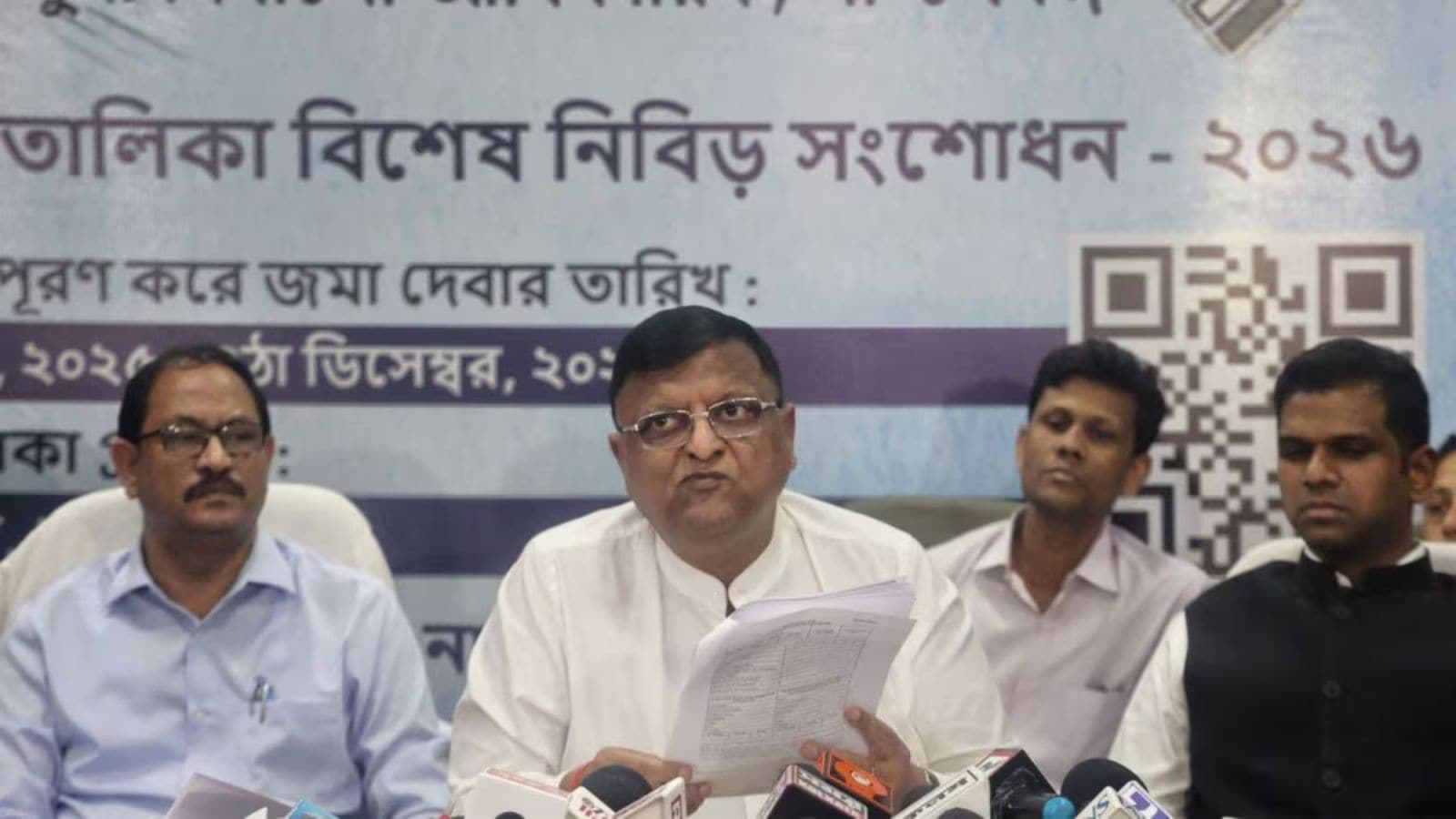
The Election Commission of India is set to release the first supplementary voter list for West Bengal on Monday evening. This list is a major step in the ongoing effort to clean up the state's electoral rolls following a massive review process. To help those whose names might still be missing, the commission has established 19 special appellate tribunals across the state. These tribunals, led by retired judges, will provide a way for people to challenge their exclusion and secure their right to vote before the upcoming assembly elections in April.
Main Impact
The publication of this list and the creation of the tribunals will directly affect millions of people in West Bengal. For many, this is the final opportunity to ensure they are legally recognized as voters. If a person’s name is not on the supplementary list, they risk losing their chance to participate in the 2026 elections. Beyond voting, the decisions made by these tribunals carry heavy weight, as failing to prove eligibility could lead to serious legal questions regarding citizenship status.
Key Details
What Happened
The Election Commission recently conducted a "Special Intensive Revision" of the voter lists in West Bengal. During this process, officials flagged about 60 lakh names for further review due to various discrepancies. Judicial officers have been working to check these cases one by one. The first supplementary list contains the names of those who have been cleared so far. For those who are still left out, the 19 new tribunals serve as a court of appeal where their cases can be re-examined by experienced legal experts.
Important Numbers and Facts
The scale of this operation is massive. Out of the 60.06 lakh voters initially put under scrutiny, judicial officers have already processed more than 27 lakh cases. The 19 tribunals have been spread across 24 districts to ensure people can access them easily. High-profile legal figures are leading these efforts, including former Calcutta High Court Chief Justice T.S. Sivagnanam, who will oversee appeals for Kolkata and North 24 Parganas. Other retired judges have been assigned to districts like Murshidabad, Malda, and South 24 Parganas to handle the high volume of cases in those areas.
Background and Context
This entire process started because of concerns over the accuracy of the voter rolls in West Bengal. The Supreme Court of India stepped in and ordered a detailed check to make sure only eligible citizens are listed. This led to the Special Intensive Revision, which looked for "logical discrepancies" and "unmapped voters." Because the stakes are so high, the court also insisted that people have a fair way to appeal if they are rejected. This is why the 19 tribunals were created—to act as an independent body that can double-check the work of the judicial officers and prevent any unfair removals.
Public or Industry Reaction
The political climate in Bengal is tense as the list publication nears. Chief Minister Mamata Banerjee has expressed concern, claiming that a large number of voters have already been rejected during the initial review. She has argued that this could take away the rights of many genuine citizens. On the other hand, leaders from the opposition have urged the public to remain calm and use the legal system. They suggest that the tribunals are the proper place to seek justice. Meanwhile, some political figures have called for public protests if people feel they are being unfairly targeted or left off the rolls without a good reason.
What This Means Going Forward
Time is running out for those who want to vote in the upcoming elections. The first phase of the Bengal elections is scheduled for April 23, with the second phase on April 29. For a person to be added back to the list in time to vote, their appeal must be decided before the nomination deadlines, which fall in early April. The Election Commission has made the appeal process simple: people can apply online through the ECI NET platform or visit their local government offices in person. Importantly, the commission has stated that people do not need to hire a lawyer or bring new documents, as the tribunals will review the records that are already on file.
Final Take
The right to vote is a fundamental part of a democracy, and the current situation in West Bengal highlights how complex it can be to maintain an accurate list of citizens. While the review process aims to ensure the integrity of the election, the 19 tribunals represent a vital safety net. They offer a clear, legal path for residents to protect their voice in the government. Anyone who finds their name missing should act quickly to use these resources and ensure their status is corrected before the polls open in April.
Frequently Asked Questions
How can I check if my name is on the supplementary list?
You can check your status by visiting the official website of the Chief Electoral Officer (CEO) of West Bengal. You can also use the ECI NET mobile app or visit your local polling booth, where the updated lists will be displayed for the public to see.
What should I do if my name is still missing?
If your name is not on the new list, you can file an appeal with one of the 19 appellate tribunals. This can be done online through the ECI NET website or by visiting the office of your District Magistrate (DM) or Sub-Divisional Officer (SDO) to submit a physical application.
Do I need to hire a lawyer to file an appeal?
No, you do not need a lawyer. The Election Commission has clarified that individuals can represent themselves. Since the tribunals will look at the documents you have already submitted during the initial review, you generally do not need to provide any new paperwork either.



