
Summary
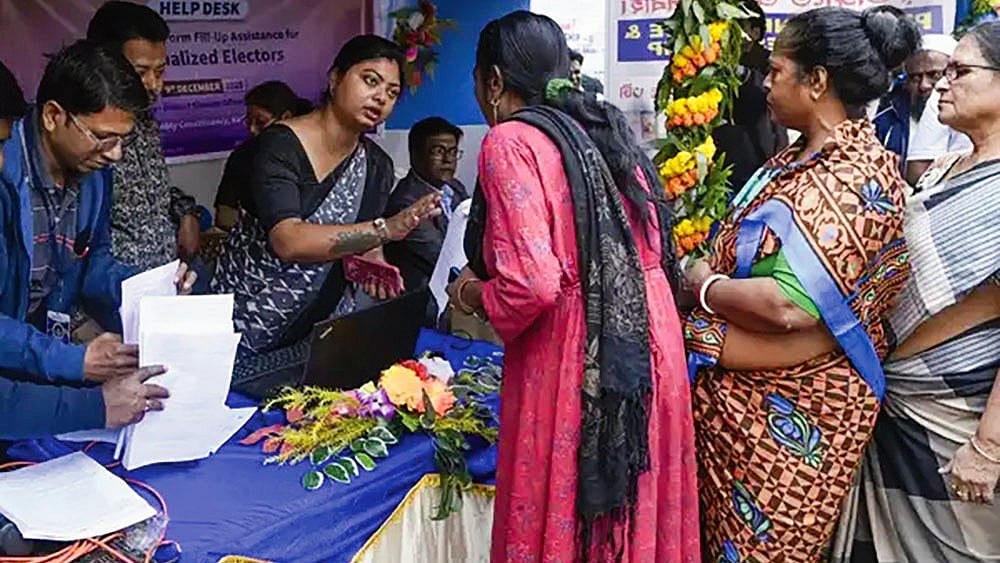
Chief Election Commissioner Gyanesh Kumar recently visited Kolkata to oversee the update of voter lists ahead of the West Bengal Assembly elections. His visit was marked by protests and a heated political battle between the state government and the Election Commission of India. The main concern involves 60 lakh voters whose names are currently "under adjudication," leaving their right to vote in doubt. With the election deadline of May 7 approaching fast, there are serious fears that millions of genuine citizens may be left out of the voting process.
Main Impact
The uncertainty surrounding the voter list is creating a massive crisis in West Bengal. If 60 lakh people are unable to vote, it could completely change the outcome of the upcoming elections. Beyond the ballot box, this situation is affecting the daily lives of citizens. People on the "pending" list are reportedly facing difficulties in selling property, and there are widespread fears that their bank accounts or mobile phone services could be blocked. This has led to a rise in public anxiety and mental health issues across the state.
Key Details
What Happened
When the Chief Election Commissioner arrived in Kolkata, he was met with black flag protests. A major controversy broke out over his choice of hotel, which the Trinamool Congress (TMC) claimed is a regular spot for BJP leaders. The tension grew when state officials were caught in a tug-of-war between the Election Commission and the state government. The Commission warned officials to follow its rules or face consequences after the election, while Chief Minister Mamata Banerjee questioned if the Commissioner himself would still be in his post by then.
Important Numbers and Facts
The scale of the voter list revision is enormous. Out of the 60 lakh names under review, only 10.6 lakh had been cleared as of March 10. This leaves nearly 50 lakh people in a state of uncertainty. To handle these cases, 750 judges from West Bengal and neighboring states have been brought in. However, experts suggest it will take more than 90 days to finish the work, which is much longer than the time remaining before the May 7 election deadline.
Background and Context
The issue stems from a process called Special Intensive Revision (SIR). This is meant to clean up the voter rolls by removing fake names or fixing errors. Many voters were flagged due to "logical discrepancies," which are often simple mistakes in names, addresses, or how they are mapped to older records from 2002. While the Election Commission says this is a standard procedure to ensure a fair election, critics argue that the process is being used to target specific groups of people and take away their voting rights.
Public or Industry Reaction
The political reaction has been divided. The TMC alleges that the Election Commission is working with the BJP to delete the names of voters who support the ruling state party. On the other hand, the BJP claims that those whose names were removed simply failed to provide the correct documents. The CPI(M) and Congress have also expressed concern, stating that while the voter list should be clean, genuine citizens should not be punished for minor paperwork errors. Local booth officers have reported that many people are desperate and even crying because they fear losing their status as recognized citizens.
What This Means Going Forward
The Supreme Court has stepped in and ordered the creation of special tribunals where people can appeal if their names are removed. While this offers some hope, the main problem is time. If these courts cannot process millions of cases in the next few weeks, a huge portion of the population will be unable to participate in the democratic process. The TMC is now using its own party workers to go door-to-door and verify voters manually, trying to ensure their supporters stay on the list before it is too late.
Final Take
The fight over West Bengal’s voter list is no longer just a political disagreement; it is a race against the clock for millions of citizens. For the election to be seen as truly fair, the process of clearing these 60 lakh names must be transparent and fast. If the system fails to resolve these cases before May, the shadow of disenfranchisement will hang over the entire election result.
Frequently Asked Questions
What does "under adjudication" mean for a voter?
It means the voter's status is currently being reviewed by a judge. Until a decision is made, their right to vote in the upcoming election is not confirmed.
Why were so many names flagged in West Bengal?
Most names were flagged due to "logical discrepancies," such as small errors in personal details or issues matching their current records with the voter lists from the year 2002.
Can people still get their names back on the list?
Yes, the Supreme Court has ordered the setup of appellate tribunals. Voters can also try to re-enroll by submitting Form 6 along with proof of Indian citizenship, though time is running out before the May election.

