
Summary
Political tension in West Bengal has reached a new high as the state prepares for the upcoming assembly elections. The two main political powers, the Trinamool Congress (TMC) and the Bharatiya Janata Party (BJP), are engaged in a fierce war of words. Leaders from both sides are using harsh labels and metaphors to attack their opponents. While the BJP has branded the current state administration as a "Nirmam Sarkar" or cruel government, TMC leaders have hit back by comparing their rivals to poisonous snakes. This aggressive rhetoric highlights the deep divide in the state's political environment.
Main Impact
The primary impact of this verbal battle is the rising heat in the local political climate. Instead of focusing solely on development or policy changes, the campaign has turned into a series of personal and symbolic attacks. This shift often influences how voters perceive the candidates, moving the focus away from local issues like jobs and infrastructure toward emotional and identity-based arguments. For the general public, this means the election season will likely be marked by intense rallies and a high level of social media friction between supporters of both parties.
Key Details
What Happened
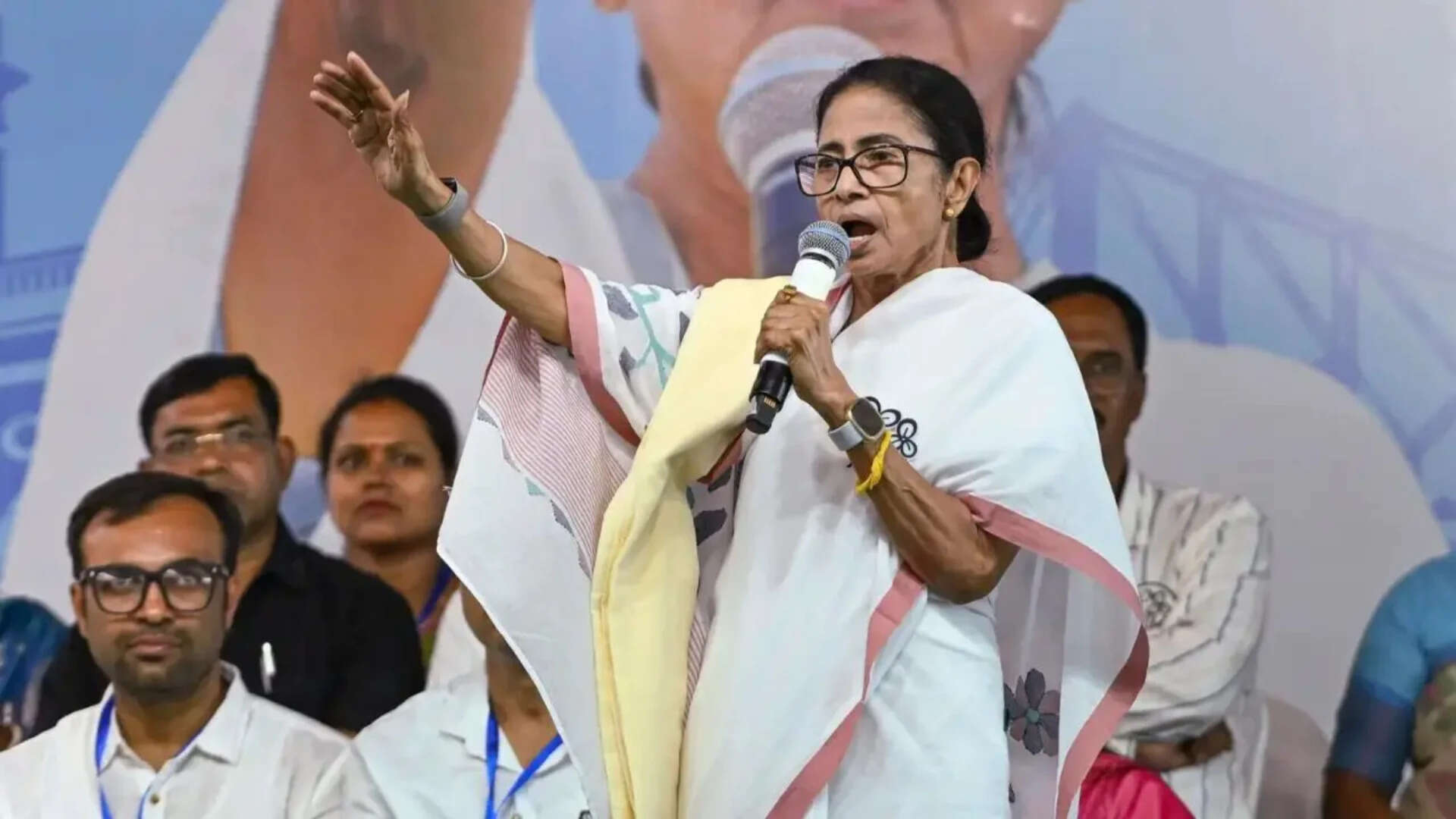
The conflict intensified during recent public rallies where top leaders from both parties spoke to large crowds. BJP leaders have been using the term "Nirmam" to describe Chief Minister Mamata Banerjee’s government. The word "Nirmam" means heartless or cruel. This is a direct play on the Chief Minister's name, "Mamata," which means compassion or motherly love. The BJP claims that the state government has lost its sense of care for the people, pointing to recent controversies and reports of local violence.
In response, the TMC has not held back. Senior leaders of the party have used the "snake" metaphor to describe the BJP's presence in the state. They argue that the opposition party brings "poisonous" politics that could harm the social harmony of West Bengal. By using such strong imagery, the TMC aims to paint the BJP as an outsider force that is dangerous to the traditional culture of the region.
Important Numbers and Facts
West Bengal has a total of 294 assembly seats, making it one of the most significant political prizes in India. In the previous assembly election, the TMC won a massive majority, but the BJP emerged as the main opposition party, significantly increasing its seat count. This history of growth for the BJP has made the TMC more defensive and aggressive in its campaigning. Recent data shows that both parties are spending a large amount of their resources on digital campaigns and large-scale public gatherings to sway the millions of voters who will head to the polls.
Background and Context
To understand why this is happening, one must look at the history of politics in West Bengal. For decades, the state was a stronghold for left-wing parties. When Mamata Banerjee took power over a decade ago, she promised a change in how the state was run. However, in the last few years, the BJP has made significant gains, turning the state into a two-party battleground. The rivalry is not just about who sits in the office; it is about two very different ideas of how the state should be governed. The BJP focuses on national pride and central schemes, while the TMC emphasizes Bengali identity and local welfare programs.
Public or Industry Reaction
The reaction from the public has been mixed. Many loyal supporters of both parties find the strong language motivating, as it shows their leaders are ready to fight. However, neutral observers and civic groups have expressed concern. They worry that such harsh words could lead to physical clashes between party workers on the ground. Political analysts suggest that while "name-calling" is common in Indian elections, the level of personal attacks in West Bengal is higher than in many other states. There is a growing call from civil society for leaders to focus more on the actual problems faced by the citizens, such as the economy and education.
What This Means Going Forward
As the election dates get closer, the language is expected to become even more intense. The Election Commission will be watching closely to ensure that the "Model Code of Conduct" is not broken. This code sets the rules for how parties should behave during elections. If the verbal attacks cross a certain line, leaders could face bans from campaigning for a few days. For the voters, the next few months will be filled with loud speeches and competing promises. The outcome of this battle will determine the direction of West Bengal for the next five years and will also have a major impact on national politics.
Final Take
The "Nirmam Sarkar" versus "Snake" debate is more than just a fight over words. It represents a deep struggle for power in one of India's most politically active states. While the insults grab the headlines, the real test will be which party can convince the voters that they have a better plan for the future. The aggressive tone shows that neither side is willing to back down, making this one of the most watched elections in recent history.
Frequently Asked Questions
What does "Nirmam Sarkar" mean?
"Nirmam Sarkar" translates to "Cruel Government." The BJP uses this term to criticize the TMC administration, suggesting it lacks compassion for the citizens of West Bengal.
Why did the TMC use the "snake" metaphor?
TMC leaders used the "snake" metaphor to describe the BJP, implying that the party's ideology is poisonous and harmful to the peaceful culture of the state.
How many seats are in the West Bengal Assembly?
There are 294 seats in the West Bengal Legislative Assembly. A party or coalition needs at least 148 seats to form a majority government.



