
Summary
West Bengal is preparing for its upcoming elections with an unprecedented level of security. To ensure a peaceful voting process, the Election Commission has ordered the deployment of over 2,300 companies of the Central Armed Police Forces (CAPF). This massive security plan involves monitoring the state from the air and on the ground to prevent any form of violence or voter intimidation. The goal is to create a safe environment where every citizen can cast their vote without fear.
Main Impact
The primary impact of this heavy security presence is the boost in voter confidence. In areas that have seen trouble in the past, the sight of central troops helps people feel secure enough to leave their homes and head to the polling stations. By deploying such a large number of personnel, the authorities aim to stop political clashes before they start. This move also puts pressure on local troublemakers, as the central forces operate independently of the local administration, ensuring a more neutral and fair oversight of the election proceedings.
Key Details
What Happened
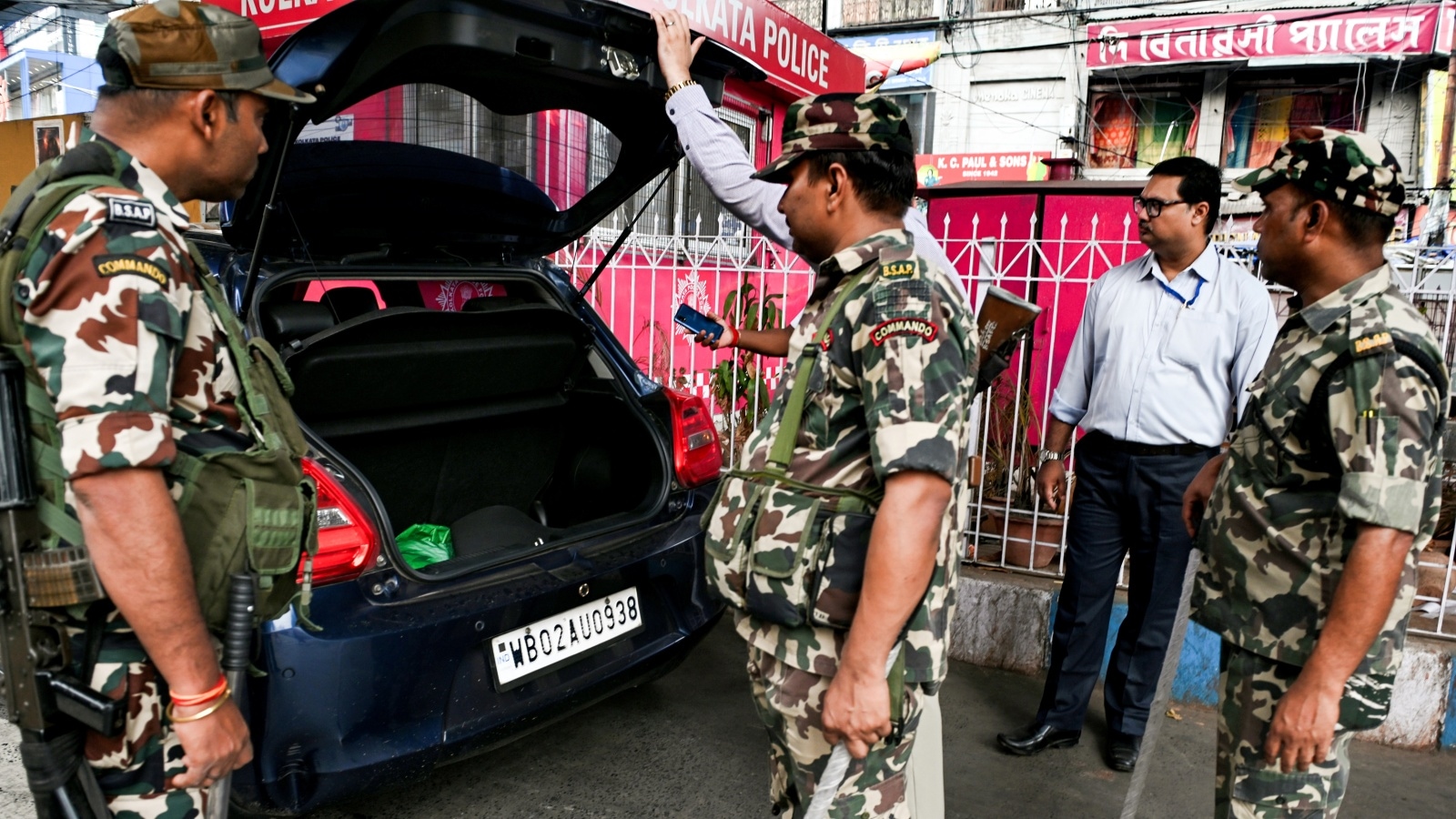
The Election Commission of India (ECI) has finalized a detailed security map for West Bengal. Recognizing the state's history of election-related tension, the commission decided that local police alone would not be enough to manage the situation. As a result, thousands of soldiers from various central agencies are being moved into the state. These forces are already starting "route marches," which involve walking through neighborhoods to show their presence and discourage any illegal activities. Security teams are also setting up checkpoints on major roads and using advanced technology to watch over crowded areas.
Important Numbers and Facts
The scale of this operation is record-breaking for the region. Over 2,300 companies of the CAPF have been assigned to the state. Each company typically consists of around 100 personnel, meaning the total number of central troops could exceed 200,000. These forces include the Border Security Force (BSF), the Central Reserve Police Force (CRPF), and the Central Industrial Security Force (CISF). In addition to the troops, hundreds of drones will be used for aerial surveillance, and thousands of CCTV cameras are being installed at polling booths to record every movement on election day.
Background and Context
Elections in West Bengal have often been difficult to manage due to intense political rivalries. In previous years, there have been reports of groups trying to block voters or take control of polling stations. Because of these past events, the Election Commission labels many booths as "sensitive." To fix these issues, the government relies on central forces because they are seen as more impartial than local police who live and work in the same communities. This strategy is part of a larger effort to modernize election security across India, using both manpower and high-tech tools to protect the democratic process.
Public or Industry Reaction
The reaction to this massive deployment has been mixed across the political spectrum. Opposition parties have generally welcomed the move, stating that a strong central presence is the only way to ensure a fair fight. They believe that without these troops, their supporters might be too scared to vote. On the other hand, some members of the ruling local government have questioned the need for such a high number of outside forces, suggesting that it might create an atmosphere of tension rather than peace. However, the general public mostly views the extra security as a positive step toward a quiet and orderly election day.
What This Means Going Forward
Looking ahead, this level of security sets a new standard for how elections are conducted in high-risk areas. The use of drones and constant air monitoring shows that technology is becoming just as important as physical boots on the ground. If this election passes without major incidents, it will prove that heavy deployment and high-tech surveillance are effective tools for maintaining order. In the future, we can expect to see similar strategies used in other states where political tensions are high. The focus will likely remain on preventing violence before it happens rather than just reacting to it.
Final Take
Ensuring a free and fair election is the most important job of the Election Commission. While the deployment of 2,300 companies is a massive logistical challenge, it highlights the commitment to protecting the rights of voters. By watching the roads and the skies, authorities are sending a clear message that lawlessness will not be tolerated. Ultimately, the success of this plan will be measured by how many people feel safe enough to participate in the democratic process.
Frequently Asked Questions
Why are so many central forces being sent to West Bengal?
The forces are being sent to prevent violence and ensure that voters feel safe. West Bengal has a history of political clashes during elections, so the extra security helps maintain order and fairness.
What is the role of drones in the election?
Drones are used for aerial surveillance. They allow security teams to monitor large crowds and see into areas that might be hard to reach on foot, helping to spot potential trouble quickly.
Are local police involved in the security plan?
Yes, local police work alongside the central forces, but the central forces are usually placed in charge of the actual polling booths to ensure neutrality and prevent local political influence.



