
Summary
West Bengal Chief Minister Mamata Banerjee has stated that the massive campaign efforts by the Bharatiya Janata Party (BJP) will not lead them to victory in the state. Speaking at a political rally, she pointed out that the BJP has brought in its top leaders and huge resources to win the ongoing elections. Despite the presence of the Union Cabinet and many state leaders, Banerjee remains confident that her party, the Trinamool Congress (TMC), will retain power. She believes the final results on May 4 will show that local support is stronger than outside political pressure.
Main Impact
The current election in West Bengal has turned into one of the most watched political battles in the country. The main impact of this situation is the sheer scale of the campaign, which has seen an unprecedented amount of resources used by a national party in a state-level contest. By highlighting the gap in resources between her party and the BJP, Banerjee is trying to connect with local voters as an underdog fighting against a powerful central force. This strategy aims to turn the election into a choice between local leadership and what she describes as an "outsider" influence.
Key Details
What Happened
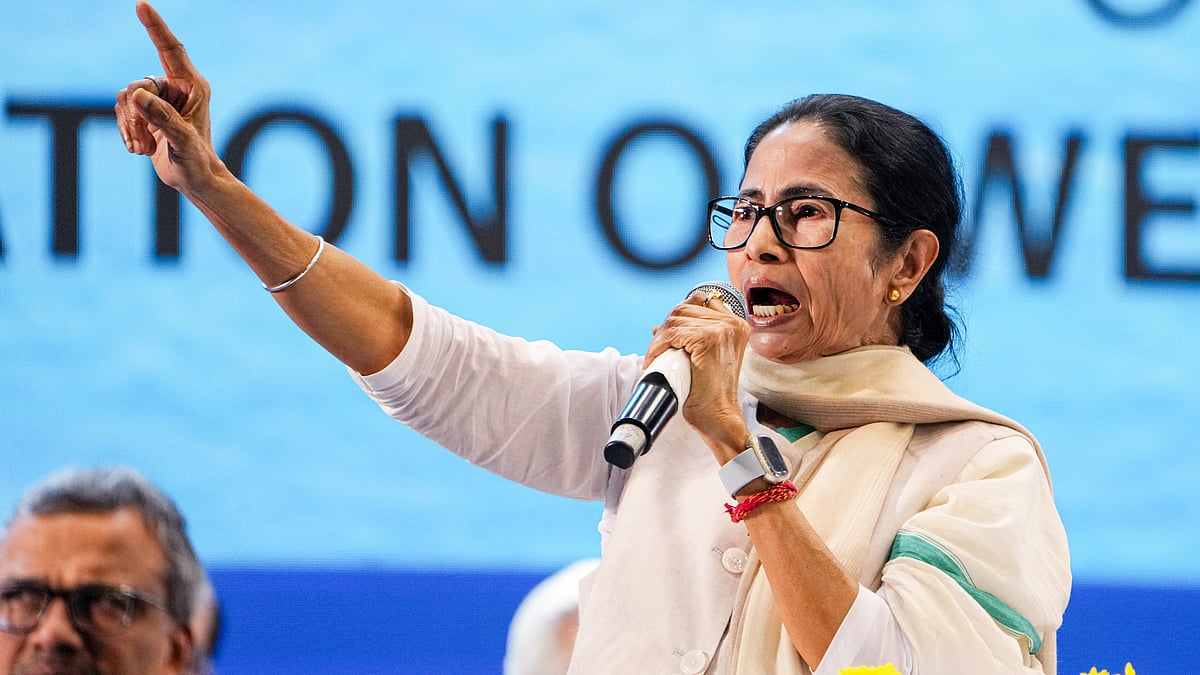
During a rally in the Uttarpara area of Hooghly district, Mamata Banerjee criticized the BJP for using its "entire machinery" to influence the West Bengal polls. She noted that the BJP has deployed a large number of high-ranking officials to campaign across the state. This includes the Prime Minister, the Home Minister, the Defense Minister, and the Railway Minister. Banerjee argued that such a heavy presence of central leaders in a single state election is unusual and shows a sense of desperation from the opposition.
Important Numbers and Facts
Banerjee shared several specific details to show the difference in campaign power between the two parties. She claimed that the BJP is using 50 helicopters to move its leaders around the state, while her party is only using three. She also mentioned that Chief Ministers from 19 different states ruled by the NDA are currently staying in West Bengal to help with the campaign. The Chief Minister also raised concerns about the use of central security forces and armored vehicles, which she claims are being seen in areas where they are not typically needed. The counting of votes is set for May 4, which will decide the final winner of this intense contest.
Background and Context
West Bengal is a very important state in Indian politics because of its large number of voters and its unique cultural identity. For years, the Trinamool Congress has held power, but the BJP has been working hard to become the main challenger. In this election, the BJP is trying to win the state for the first time, while the TMC is fighting to keep its position for a third term. The campaign has been filled with strong words from both sides. Banerjee often uses the "outsider" argument, suggesting that leaders from other states do not understand the local culture or the needs of the people in Bengal. On the other hand, the BJP argues that the state needs a change in leadership to improve the economy and security.
Public or Industry Reaction
The reaction to these claims has been sharp. Banerjee has specifically targeted the language used by Union Home Minister Amit Shah. She described his speeches as using the "language of terror" and has instructed her party members to record these talks. The TMC plans to use these videos as evidence in court if they decide to take legal action. Additionally, Banerjee has asked local residents to keep a close watch on hotels and guest houses. She believes that people from outside the state are being brought in to help the BJP campaign secretly. While the BJP has not yet given a formal response to these specific allegations, their leaders continue to hold large rallies, showing that they do not plan to slow down their efforts before the final voting phases.
What This Means Going Forward
As the election moves toward the final stages, the tension between the two parties is likely to grow. The focus on "outsiders" and the use of central resources will remain a major talking point. If the TMC wins, it will be seen as a victory for local regional politics over a national wave. If the BJP wins, it will signal a major shift in the political map of eastern India. The legal threats made by Banerjee also suggest that the battle might not end on the day the votes are counted. There could be court cases regarding campaign behavior and the use of central forces that continue long after the new government is formed.
Final Take
The scale of the campaign in West Bengal shows how much is at stake for both the TMC and the BJP. While the BJP has brought in more leaders and more money than perhaps any other state election in recent history, Mamata Banerjee is betting that her personal connection with the voters will be enough to win. The contrast between 50 helicopters and three helicopters is a simple way to show the difference in their approaches. Ultimately, the voters will decide if they prefer the massive strength of a national party or the familiar presence of their current state leader.
Frequently Asked Questions
When will the West Bengal election results be announced?
The counting of votes and the announcement of the final results are scheduled to take place on May 4.
Why did Mamata Banerjee mention helicopters?
She used the number of helicopters to show the difference in wealth and resources between the BJP and her party, claiming the BJP is using 50 while she only has three.
What is the "outsider" issue in this election?
Banerjee claims that the BJP is bringing in leaders and workers from other states who do not understand West Bengal, while she presents herself as a local leader who knows the people's needs.

