
Summary
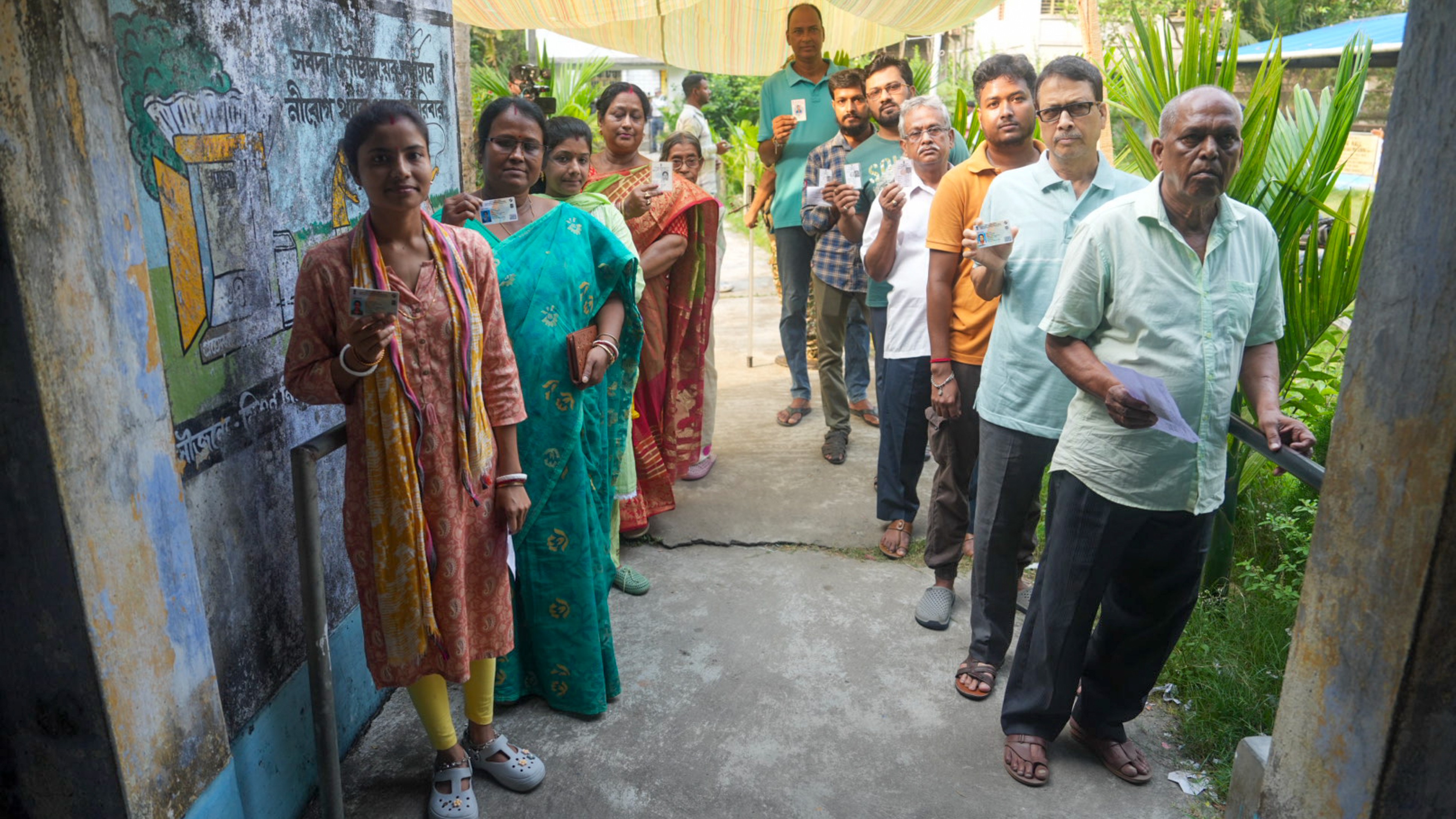
The first phase of voting in West Bengal began on Thursday with a mix of high voter turnout and several technical problems. While many people arrived early to cast their ballots across 152 constituencies, the process was slowed down by failing voting machines in multiple districts. There were also reports of small-scale violence and even an unexpected animal sighting that briefly interrupted the day. Despite these issues, security forces remained on high alert to keep the peace during this major political event.
Main Impact
The primary impact of the day was the delay caused by faulty Electronic Voting Machines (EVMs). In several key areas, voters had to wait for hours or return later because the machines stopped working. This caused frustration among citizens who had lined up early in the morning. Additionally, the reports of violence in districts like Murshidabad and Cooch Behar created a sense of worry, although the heavy presence of police and central forces helped prevent these incidents from spreading. The disruptions tested the patience of the public and the efficiency of the election officials on a very busy day.
Key Details
What Happened
Voting started at 7 am across 16 districts in West Bengal. This phase is very important because it covers more than half of the total seats in the state assembly. While the majority of the polling stations functioned without trouble, several locations faced significant hurdles. In some places, the machines used to record votes broke down right at the start of the day. In other areas, political groups clashed, leading to injuries and property damage. Security teams had to move quickly to restore order and ensure that the voting could continue safely.
Important Numbers and Facts
The election covered 152 out of the 294 seats in the West Bengal Assembly. Several specific polling booths reported major machine failures. In Murshidabad, voting stopped at booth 156 in Beldanga and was delayed at booth 212 in Samsherganj and booth 130 in Kandi. In the Nandigram area, a machine snag was reported at Birulia. Cooch Behar saw a one-hour pause at booth 229, while Malda and Siliguri also reported faulty equipment. Beyond technical issues, a woman was injured in Murshidabad when crude bombs were thrown near a school. Police have already detained one person in connection with a separate attack on a worker in Domkal.
An Unusual Interruption
In a strange turn of events, voters in Jhargram district faced a different kind of problem. An elephant was seen wandering near the Jitushol Aanshik Buniyadi Vidyalaya polling station. This caused a brief moment of panic as people feared for their safety. Local authorities had to step in to manage the situation and move the animal away so that people could get back to the voting lines. This incident was one of the more unusual stories from the first phase of the election.
Background and Context
Elections in West Bengal are known for being very competitive and sometimes tense. The state has a long history of passionate political involvement, and the stakes are high for all parties involved. This year, the election is being held in two main parts. The first part, which happened today, is crucial because it sets the tone for the rest of the state. Because there have been problems with violence in past years, the government deployed a large number of security personnel, including central forces, to watch over the booths. The goal is to make sure every citizen can vote without feeling scared or being stopped by technical errors.
Public or Industry Reaction
Political leaders from different parties have reacted strongly to the day's events. Members of the Trinamool Congress (TMC) accused rival groups of trying to scare voters with violence. On the other hand, the Bharatiya Janata Party (BJP) claimed that their workers were being targeted and attacked by ruling party supporters. The Communist Party of India (Marxist) also reported attacks on their members. Meanwhile, the Chief Electoral Officer, Manoj Agarwal, has asked for detailed reports on the violence and promised that anyone breaking the law will face strict punishment. Many voters expressed their hope that the next phase of voting will be smoother and more peaceful.
What This Means Going Forward
The lessons learned from this first phase will be important for the next round of voting. Election officials will need to check the voting machines more carefully to prevent more delays. Security forces will likely stay in the areas where violence occurred to make sure no more fights break out. The remaining 142 seats will go to the polls on April 29. After all the votes are cast, the final counting will take place on May 4. The results of these elections will decide who leads the state for the next few years, so the focus remains on keeping the process fair and safe for everyone.
Final Take
The first phase of the West Bengal election showed both the strength of the democratic spirit and the challenges of managing such a large event. While machine failures and scattered fights caused trouble, the high number of people who showed up to vote proves that the public is eager to have their say. Moving forward, the main goal for officials will be to fix the technical issues and ensure that the second phase is conducted with less disruption and more safety for every voter.
Frequently Asked Questions
Why was voting delayed in some parts of West Bengal?
Voting was delayed mainly because of technical problems with Electronic Voting Machines (EVMs). When these machines malfunctioned, officials had to pause the voting process to fix or replace them, which caused long lines and wait times.
What happened in Murshidabad during the polls?
Murshidabad saw both machine failures and violence. Crude bombs were thrown near a primary school, which injured a woman. There were also reports of an attack on a political worker and his son in the Domkal area of the district.
When will the next phase of the election take place?
The second and final phase of the West Bengal assembly elections is scheduled for April 29. After that, the votes from both phases will be counted, and the results will be announced on May 4.

