
Summary
On April 26, 2026, Kolkata became the center of two very different political events. Prime Minister Narendra Modi and Chief Minister Mamata Banerjee held campaign events on the same day, but the atmosphere at each was worlds apart. These events took place just three days before the final phase of the West Bengal Assembly elections. The contrast between a highly secured roadshow and an informal neighborhood meeting showed how both leaders are trying to win over voters in the final moments of the race.
Main Impact
The main impact of these events is the clear choice they present to the voters of Kolkata. Prime Minister Modi’s event was a formal, tightly controlled spectacle that focused on national strength and security. In contrast, Mamata Banerjee’s gathering was a relaxed, community-focused event that relied on her personal connection with local residents. These different styles of campaigning show how the BJP and the Trinamool Congress (TMC) are fighting for control of the state’s capital.
Key Details
What Happened
The day began with preparations for Prime Minister Modi’s roadshow on Beadon Street in North Kolkata. Although the event was supposed to start at 3:00 PM, it did not begin until 6:00 PM. Supporters waited for hours in the intense heat. The route was heavily guarded by police and central security forces, with metal barricades keeping the crowd away from the Prime Minister’s vehicle. The event felt very organized and formal, with security teams deciding where people should stand.
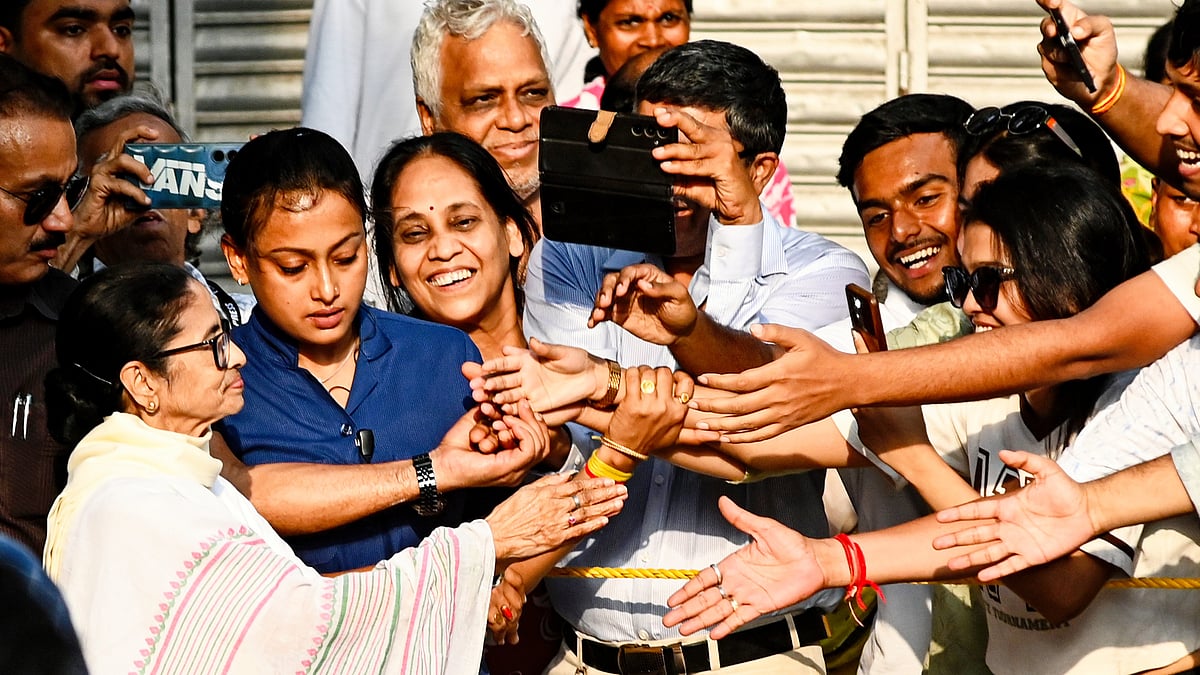
Later that evening, Chief Minister Mamata Banerjee held a meeting in Bhabanipur, South Kolkata. This event felt more like a local street party than a political rally. There were no heavy barricades, and local shops stayed open while people gathered in the narrow lanes. A local band played music, and the atmosphere was much more casual. Banerjee spoke to the crowd like a neighbor, even asking her staff to buy sweets from a nearby shop to share with those around her.
Important Numbers and Facts
The size and scale of the two events were quite different. About 2,000 people attended the Prime Minister’s roadshow. Because the street was narrow and the security was tight, the crowd looked dense in photos, but the total number of people was modest. On the other hand, the meeting in Bhabanipur drew a much larger crowd of around 7,000 people. While the BJP used large convoys and heavy security, the TMC event relied on local police and had a much smaller security presence.
Background and Context
West Bengal is currently holding its Assembly elections, which are the most important local elections in the state. The voting happens in stages, and the final phase is set for April 29. Kolkata is a key prize for any party because it is the cultural and political heart of the state. The BJP is trying to convince voters that the state needs a change and more development. Meanwhile, the TMC is focusing on its record of social welfare and its identity as a party that belongs to the people of Bengal.
Public or Industry Reaction
The reactions from the public were mixed. At the BJP event, some supporters like Anil Paswan said they wanted to see "development" in the state. However, there was some tension within the party. Some long-time workers were unhappy that they were pushed to the back while newer members were allowed to stand closer to the Prime Minister. One worker mentioned that he could have just watched the event on television instead of waiting in the heat.
In Bhabanipur, the reaction was very positive toward the Chief Minister. Local residents like Satish Roy expressed a strong sense of loyalty, calling Banerjee "their CM." The crowd cheered when she spoke about local traditions, such as Durga Puja, and when she criticized the central government for raising taxes on basic goods like food and clothes.
What This Means Going Forward
As the election moves toward the final vote on April 29, these two events show the final strategies of the main parties. The BJP is relying on the star power of the Prime Minister and a message of national progress. The TMC is doubling down on local pride and attacking the central government’s economic policies. The high turnout at the Bhabanipur event suggests that the TMC still has a very strong grip on its local base, while the BJP’s organized roadshow aims to attract those looking for a more formal change in leadership.
Final Take
The events in Kolkata show that politics in Bengal is not just about policies, but about how leaders present themselves to the people. One leader chose a path of high security and formal distance, while the other chose a path of informal, everyday connection. On April 29, the voters will decide which of these two styles they trust more to lead their state for the next five years.
Frequently Asked Questions
When is the final phase of the West Bengal election?
The final phase of the Assembly elections is scheduled to take place on April 29, 2026.
Where did the two political events take place?
Prime Minister Modi held a roadshow on Beadon Street in North Kolkata, while Chief Minister Mamata Banerjee held a meeting in Bhabanipur in South Kolkata.
What were the main differences between the two rallies?
The Prime Minister’s event was highly secured, formal, and had a smaller crowd of about 2,000 people. The Chief Minister’s event was informal, had a larger crowd of about 7,000 people, and focused on local community issues.

