
Summary
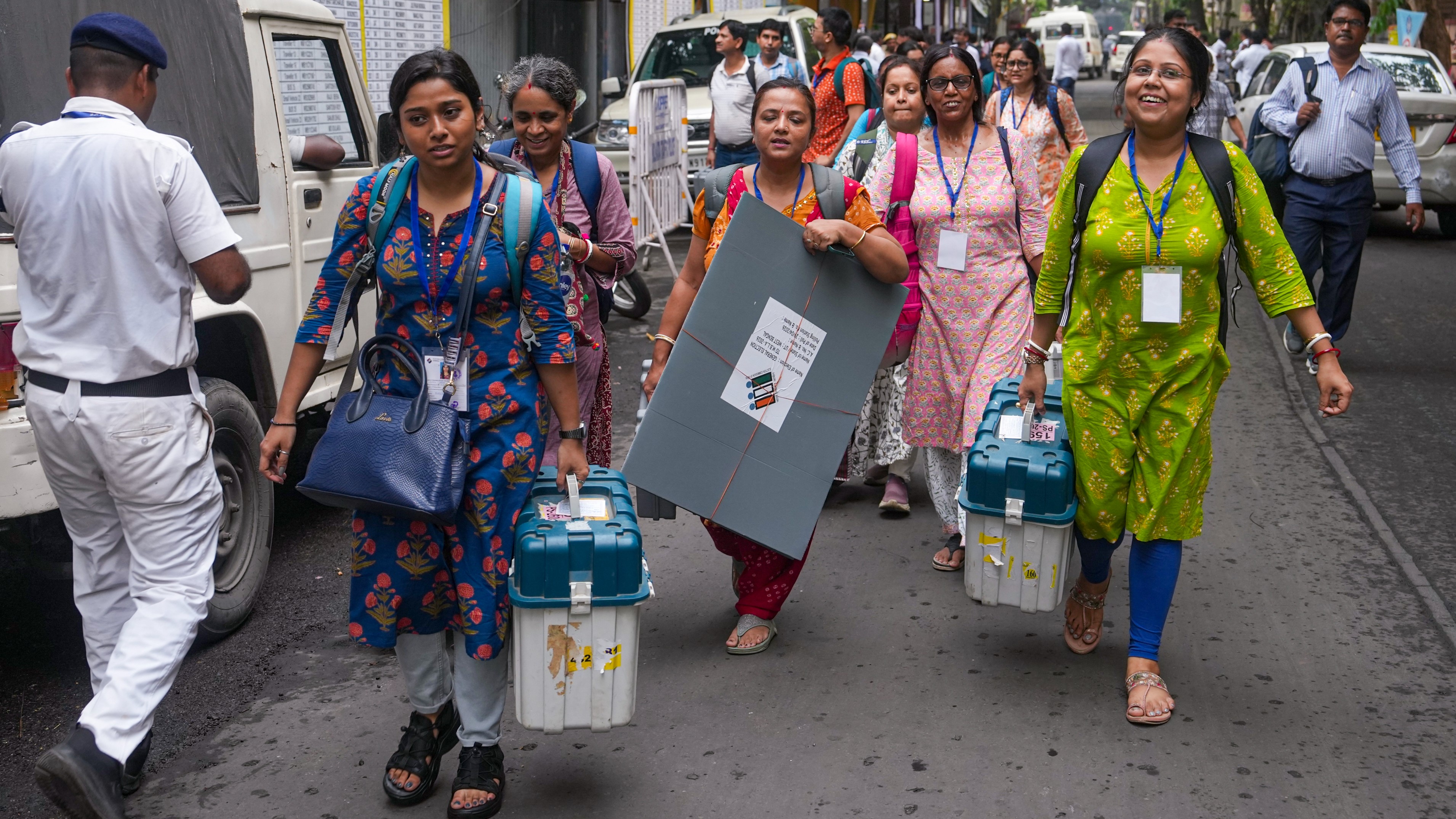
West Bengal is preparing for the final and most important phase of its state elections on April 29. This round of voting focuses on South Bengal, a region that has traditionally been a very strong area for the Trinamool Congress (TMC). The Bharatiya Janata Party (BJP) is working hard to win seats in this region to challenge the current government's control. With 142 seats at stake, the outcome of this phase will likely decide which party leads the state for the next term.
Main Impact
The final phase of polling is the ultimate test for both major parties. For the TMC, it is about protecting their home ground and proving they still have the support of the people in the state's most populated areas. For the BJP, this is their best chance to show they have grown beyond their traditional support areas in the north. Because South Bengal holds so many seats, any major shift in voter choice here could completely change the political future of West Bengal.
Key Details
What Happened
The voting on April 29 will take place across several key districts, including Kolkata, Howrah, Hooghly, and the North and South 24 Parganas. These areas are known for having many voters and a mix of different communities. Because these districts are so crowded and politically active, the atmosphere is very intense. The authorities have put extra security in place to make sure the voting process stays peaceful and fair.
Important Numbers and Facts
To understand the scale of this election phase, it helps to look at the data from the previous election in 2021. Out of the 142 seats being contested now, the TMC won 123 in the last election. The BJP won only 18 seats, and the ISF won one. This shows how dominant the TMC has been in South Bengal. To keep things safe this time, police have already taken action. Reports show that over 2,470 people were detained or arrested in the days leading up to the vote to prevent any trouble at the polling stations.
Background and Context
South Bengal is often called the heart of the state’s politics. It includes the capital city, Kolkata, and large industrial and farming areas. For a long time, the TMC has relied on this region to stay in power. The BJP has been trying to move into this area by talking about issues like local development and citizenship rules. However, winning here is difficult because the TMC has a very strong network of local leaders and supporters. This phase is not just about numbers; it is about which party the people trust to run their daily lives and protect their interests.
Public or Industry Reaction
There is a lot of talk among the public regarding the voter lists. A process called the Special Intensive Revision was done to update the lists, but it has caused a lot of arguments. Many people found that their names were missing from the voting rolls. The TMC claims that names of poor people and minority groups were removed on purpose to hurt their chances. On the other side, the BJP says the update was necessary to remove fake names that should not have been there in the first place. This disagreement has made voters feel anxious, especially in places where the number of removed names is larger than the gap between the winner and loser in the last election.
What This Means Going Forward
One of the most watched areas in this phase is Bhabanipur. This seat is very important because it is linked to the leadership of Mamata Banerjee. If the TMC wins it easily, it shows their power is still strong. If the BJP puts up a very close fight, it will be seen as a sign that the TMC’s hold is weakening. After the voting ends on April 29, all eyes will turn to May 4, which is the day the votes will be counted. The results will show if the BJP’s efforts to win over South Bengal worked or if the TMC managed to keep its fortress safe.
Final Take
This final round of voting is the most critical moment of the entire election. While both parties have campaigned hard, the real power now sits with the voters of South Bengal. The heavy security and the debates over voter lists show how high the stakes are for everyone involved. Whether the region stays with the TMC or moves toward the BJP, the choice made by the people this week will set the path for West Bengal for years to come.
Frequently Asked Questions
When is the final phase of voting in West Bengal?
The final phase of polling is scheduled to take place on April 29, covering 142 seats in the South Bengal region.
Why is South Bengal so important in this election?
South Bengal is a major stronghold for the TMC. Since it has a large number of seats, any party that wins here has a very high chance of forming the state government.
When will the election results be announced?
The counting of votes is set for May 4, which is when the final results for all phases will be made public.

