
Summary
The Election Commission of India (ECI) has carried out a major and historic change in the leadership of West Bengal’s government and police. By removing top officials and bringing in new ones, the ECI has taken full control of the state’s administration ahead of the 2026 Assembly elections. This move is intended to ensure that the voting process remains fair and free from local political pressure. The scale of these changes is much larger than what has been seen in previous years, signaling a very strict approach to election management in the state.
Main Impact
The most significant impact of this decision is that the West Bengal state government has lost its authority over its own top-ranking officials. Key positions that manage the daily operations of the state and the police force are now held by people selected by the ECI. This has created a situation where the state bureaucracy is effectively working under the direction of the central election body rather than the local government. While the ECI says this is necessary for a neutral election, critics argue it feels like the central government is running the state through a proxy.
Key Details
What Happened
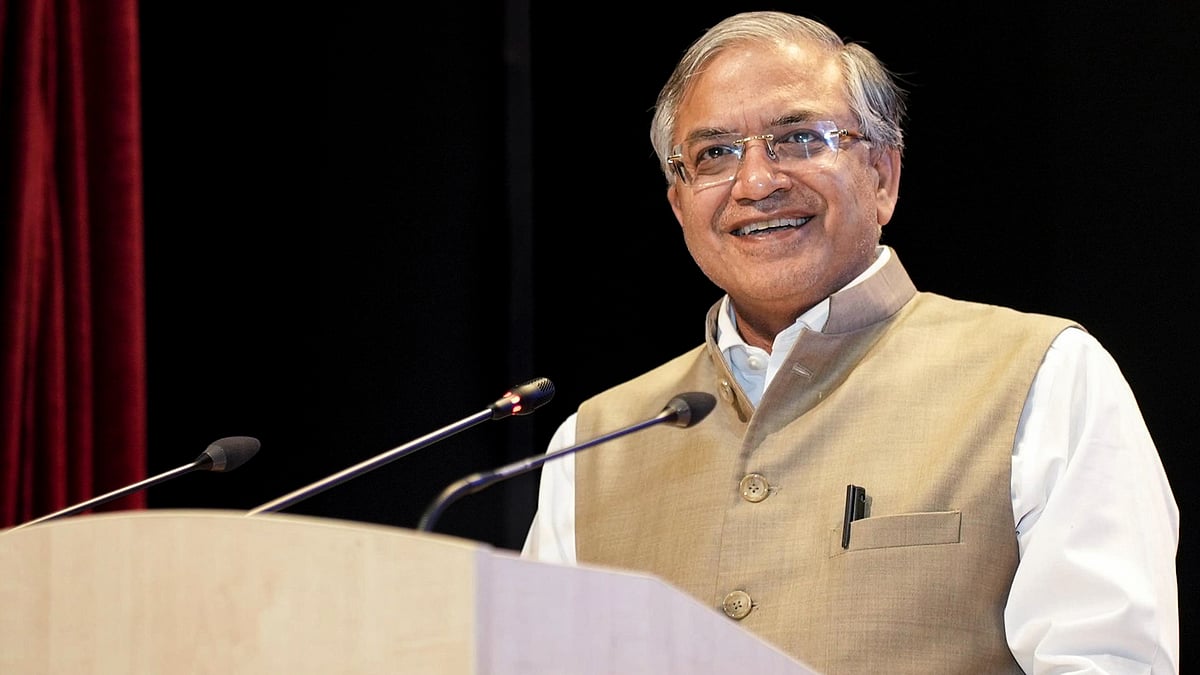
The changes began on March 15, 2026, right after the Chief Election Commissioner, Gyanesh Kumar, announced the schedule for the upcoming elections. As soon as the Model Code of Conduct was put in place, the ECI issued orders to remove the Chief Secretary and the Home Secretary. These two roles are the highest in the state’s civil service. They were replaced by Dushyant Nariala and Sanghamitra Ghosh, both of whom are known for following strict administrative rules. Shortly after, the ECI also replaced the head of the state police and the head of the Kolkata police.
Important Numbers and Facts
The reshuffle has affected a huge number of offices across the state. The ECI replaced 11 out of the 23 District Magistrates, who are the main officials in charge of local areas. In the police department, 19 senior officials were moved, including five Deputy Inspectors-General (DIGs). The election itself will be held in two phases on April 23 and April 29, with the final results being announced on May 4. This is a much shorter schedule compared to the eight phases used in the 2021 elections.
Background and Context
In India, the Election Commission has the power to transfer government officials once an election is announced. This is done to prevent any official from using their power to help the political party currently in office. West Bengal has a history of political tension and violence during election seasons. Because of this, the ECI often takes extra steps to monitor the state. This year, the changes are more widespread than ever before. The recent appointment of a new Governor by the central government had already caused tension, and these mass transfers have added to the political heat in the state.
Public or Industry Reaction
The ruling party in West Bengal, the Trinamool Congress (TMC), has reacted strongly against these changes. Party leaders have accused the ECI of acting on behalf of the central government to weaken the state’s authority. They have called the move "arbitrary" and claim it ignores the state's right to manage its own officials. On the other hand, some opposition groups believe that these changes are necessary to prevent election fraud and violence. The debate has divided the public, with some seeing it as a move for safety and others seeing it as a political attack.
What This Means Going Forward
The new officials have a very short time to settle into their roles before the voting begins in April. They are under strict orders to remain neutral and ensure that no violence occurs during the two phases of voting. The state government must submit a report by March 19 to confirm that all the transfer orders have been followed. The success of these changes will be judged by how smoothly the election goes. If the voting is peaceful, the ECI will feel justified. However, if problems persist, it could lead to even more legal and political battles between the state and the central authorities.
Final Take
The ECI has sent a clear message that it will not tolerate any perceived bias in the West Bengal administration. By replacing the entire top layer of the state’s leadership, the commission is taking full responsibility for the 2026 elections. This bold strategy aims to provide a level playing field, but it also places a heavy burden on the new officials to maintain order in a highly charged political environment.
Frequently Asked Questions
Why did the Election Commission change so many officials at once?
The ECI changed these officials to ensure that the 2026 elections are conducted fairly. They want to make sure that the people in charge of the police and local districts are neutral and not influenced by the local state government.
Who are the new leaders in charge of West Bengal's administration?
Dushyant Nariala is the new Chief Secretary, and Sanghamitra Ghosh is the new Home Secretary. Siddhinath Gupta has taken over as the head of the state police, and Ajay Nand is the new Kolkata Police Commissioner.
When will the West Bengal Assembly elections take place?
The elections will be held in two phases. The first phase of voting is on April 23, 2026, and the second phase is on April 29, 2026. The counting of votes and the results will happen on May 4, 2026.

