
Summary
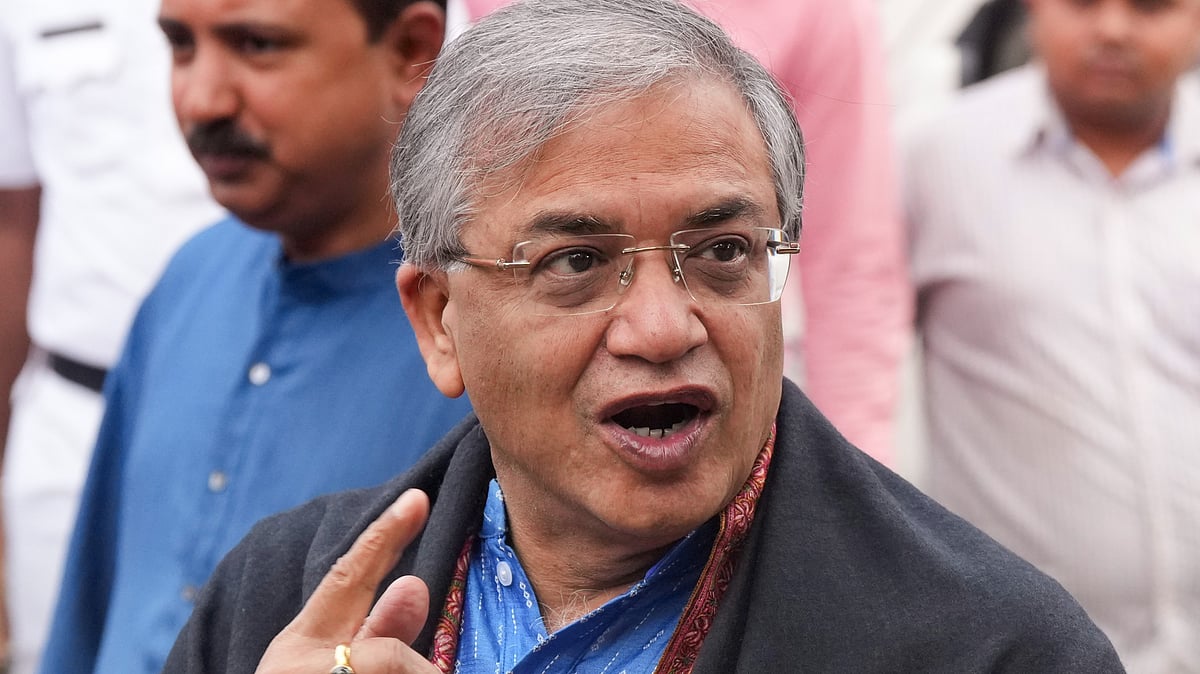
Chief Election Commissioner Gyanesh Kumar has promised that the upcoming assembly elections in West Bengal will be fair and peaceful. Speaking during a visit to the state, he assured voters that they would be able to cast their ballots without fear or pressure. This statement comes as the state prepares for a major election later this year, following a history of political tension during voting periods. The Election Commission is currently working with state officials and the legal system to ensure the process is transparent and secure.
Main Impact
The main goal of the Election Commission is to remove the threat of violence that often surrounds elections in West Bengal. By promising a safe environment, the Commission hopes to increase voter turnout and build trust in the democratic system. The involvement of the Supreme Court and hundreds of judicial officers from other states shows how serious the authorities are about cleaning up the voter lists. If successful, these measures could set a new standard for how elections are managed in regions that have faced security challenges in the past.
Key Details
What Happened
Chief Election Commissioner (CEC) Gyanesh Kumar arrived in West Bengal to review the state's readiness for the assembly polls. He started his day with a visit to Belur Math, a spiritual center, before moving on to official business. He met with top state leaders, including Chief Secretary Nandini Chakraborty and acting Director General of Police Peeyush Pandey. These meetings focused on how to keep the peace and organize the logistics for millions of voters.
Important Numbers and Facts
The scale of the preparation is massive. A total of 732 judicial officers are currently working on checking the voter lists. To ensure there is no local bias, 100 officers have been brought in from Jharkhand and another 100 from Odisha. This team is looking into "logical discrepancies," which are errors or suspicious entries in the voter records. Experts believe this work will continue until at least the first week of April. Additionally, the Supreme Court has scheduled a hearing with a three-judge bench to decide on legal challenges regarding these voter documents.
Background and Context
West Bengal has a long history of intense political competition. In previous years, election days have sometimes been marked by clashes between different political groups. This has led to concerns that some people might stay home instead of voting because they feel unsafe. To fix this, the Election Commission is conducting a Special Intensive Revision (SIR) of the electoral rolls. This is a process where officials double-check the names and addresses of everyone on the list to make sure only eligible voters are included. This process is often controversial because political parties worry that their supporters might be removed from the list by mistake.
Public or Industry Reaction
The reaction to these measures has been mixed. While the CEC is promising peace, some political leaders are protesting. Chief Minister Mamata Banerjee has started a sit-in protest in Kolkata to show her disagreement with how the voter list revision is being handled. She believes the process might be unfair to certain groups. On the other hand, her nephew, Abhishek Banerjee, has expressed concern for her health, asking her to end the protest because of the physical strain. Meanwhile, some groups have shown their anger toward the CEC directly, with reports of black flags and "go back" slogans appearing during his visit to local landmarks.
What This Means Going Forward
The next few weeks will be critical for the state. The Supreme Court’s decision on the voter lists will determine how the final list looks. If the court finds that the revision process was done correctly, the Election Commission will move forward with setting the exact dates for the vote. Security forces are expected to be deployed in large numbers to prevent any trouble. The success of this election depends on whether the government can convince the public that their vote is secret and their safety is guaranteed. If the CEC keeps his promise of a violence-free election, it could change the political atmosphere of the state for years to come.
Final Take
The promise of a fair and peaceful election is a bold step in a state with a complicated voting history. By bringing in outside judicial officers and involving the highest court in the land, the Election Commission is trying to prove its neutrality. However, the ongoing protests and legal battles show that the road to the election will not be easy. The true test will come on polling day, when millions of citizens head to the booths to decide the future of their state government.
Frequently Asked Questions
Why are officers from other states helping with the voter list?
Officers from Jharkhand and Odisha were brought in to ensure the process is neutral. Using officials from outside West Bengal helps prevent claims of local political influence or bias during the document checks.
What is a "logical discrepancy" in the voter list?
A logical discrepancy refers to errors in voter data. This could include things like duplicate names, incorrect addresses, or age records that do not make sense. The goal is to fix these errors so the voter list is accurate.
When will the West Bengal assembly elections take place?
The elections are scheduled for later this year. The exact dates have not been announced yet, as the Election Commission is waiting for the voter list revision and security preparations to be finished.

