
Summary
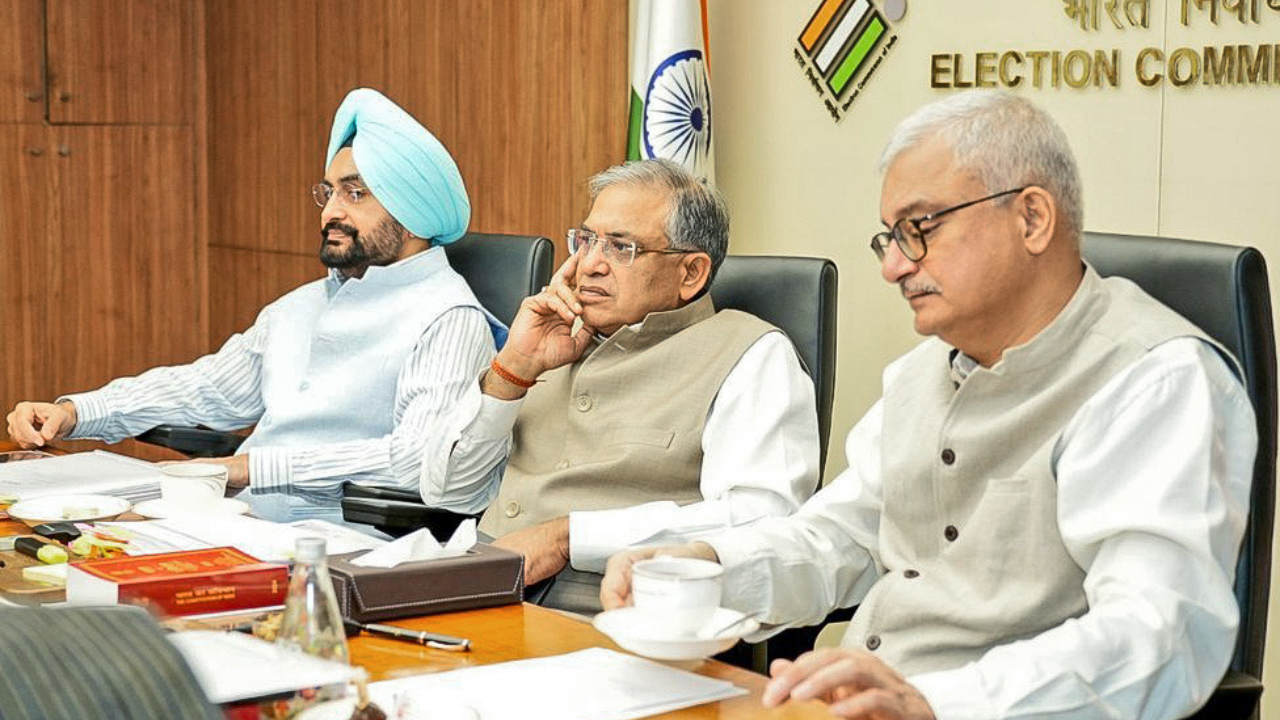
The Election Commission of India (ECI) has officially promised that the 2026 West Bengal Assembly elections will be held in a safe and fair environment. This commitment comes after a tense meeting with leaders from the Trinamool Congress (TMC), the ruling party in the state. The TMC has raised serious concerns about the ECI’s neutrality, claiming the body is favoring the Bharatiya Janata Party (BJP). These discussions highlight the growing political heat in the state as officials prepare for the next major vote.
Main Impact
The primary impact of this development is the high level of scrutiny now placed on the Election Commission. By promising an election free from fear and violence, the ECI has set a high standard for its own performance in 2026. If the commission fails to prevent clashes or intimidation, it will face heavy criticism from both the public and political parties. Furthermore, the TMC’s accusations of bias suggest that the relationship between the state government and the national election body is becoming increasingly strained. This tension could lead to more legal challenges and public protests as the election date draws closer.
Key Details
What Happened
A delegation from the Trinamool Congress met with officials from the Election Commission to discuss the upcoming polls. During this meeting, the TMC leaders used "straight talk" to express their dissatisfaction. They claimed that the ECI is not acting as an independent body but is instead leaning toward the BJP. The main point of anger for the TMC is the current update of the electoral rolls, which is the official list of people allowed to vote. The party alleges that the process is being used to unfairly remove their supporters from the list, a process known as disenfranchisement.
Important Numbers and Facts
The 2026 West Bengal Assembly elections are the next big goal for all major political parties in India. While the exact dates have not been set, the preparation of the voter list is already a major battleground. The TMC claims that the revision of these lists is being done in a way that targets specific groups of voters. In response, the ECI stated that it is committed to a "zero-tolerance" policy regarding violence. The commission plans to use various security measures to ensure that every citizen can reach the polling booth without being stopped by local goons or political workers.
Background and Context
West Bengal has a long and difficult history when it comes to elections. For decades, the state has seen reports of political violence, booth capturing, and threats against voters. Because of this history, the Election Commission often sends thousands of central security officers to the state during voting periods. The TMC has been in power in West Bengal since 2011, while the BJP has grown into a strong opposition force over the last few years. This rivalry makes every election in the state a high-pressure event. The electoral roll is particularly important because even small changes to the list of voters can change the result in a close race.
Public or Industry Reaction
Political experts believe that the TMC is raising these concerns early to put the Election Commission on the defensive. By accusing the ECI of bias now, the party can build a narrative that any future losses are the result of unfair rules rather than a lack of votes. On the other side, BJP leaders often argue that the TMC uses its control over local police and administration to influence elections. The general public in West Bengal remains divided. Many people want the heavy security that the ECI promises, while others worry that the constant fighting between the parties and the commission will make the voting process more difficult and confusing.
What This Means Going Forward
In the coming months, the ECI will have to prove its fairness by being very transparent about how it updates the voter lists. They will likely hold more meetings with all political parties to show that no one is being unfairly removed from the rolls. For the people of West Bengal, the promise of a "fear-free" election is a positive sign, but they have heard similar promises before. The real test will be whether the ECI can actually stop the local-level intimidation that often happens in rural areas. We can expect more "straight talk" and heated debates as the state moves toward the 2026 polls.
Final Take
The fight for West Bengal is already starting, even though the election is still some time away. The exchange between the TMC and the Election Commission shows that trust is low and the stakes are incredibly high. For a healthy democracy, the ECI must not only be fair but also appear fair to all sides. If the commission can successfully manage the 2026 elections without violence, it will be a major victory for the democratic process in India. However, if the accusations of bias continue, the road to the polls will be rocky and filled with conflict.
Frequently Asked Questions
What is the main complaint from the TMC?
The TMC claims that the Election Commission is biased toward the BJP and is unfairly removing legitimate voters from the official voting lists to influence the election results.
How does the Election Commission plan to ensure a fair election?
The ECI has promised to conduct the 2026 polls without fear or violence. They plan to monitor the voter list updates closely and deploy security forces to prevent intimidation at polling stations.
Why are the West Bengal elections so controversial?
Elections in West Bengal are often marked by intense political rivalry and a history of local violence, making the role of the Election Commission and security forces very important and highly debated.



