
Summary
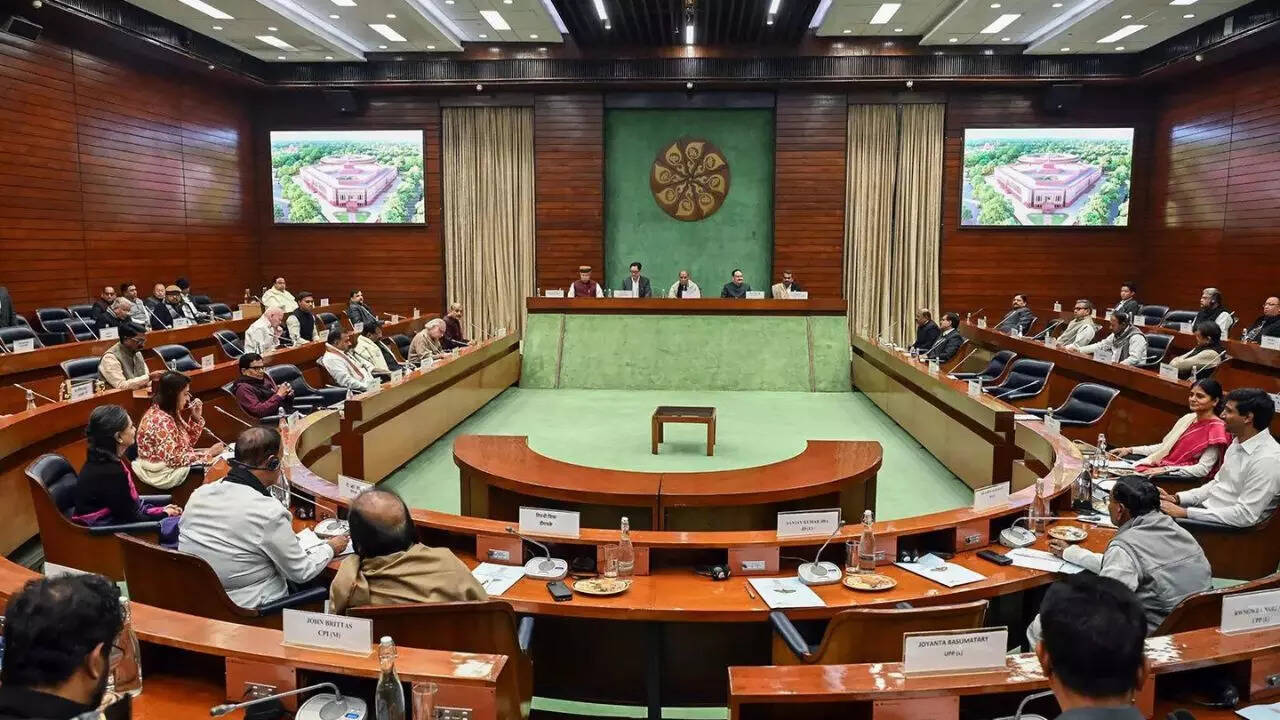
The Indian government has called for an urgent all-party meeting to discuss the growing conflict in West Asia. This decision comes as tensions in the region rise, leading to serious concerns about a potential shortage of cooking gas (LPG) in India. The meeting aims to bring together leaders from different political groups to create a unified plan. The government wants to protect the country's energy supply and ensure that the economy remains stable despite the international crisis.
Main Impact
The biggest impact of the West Asia conflict on India is the threat to energy security. India relies heavily on imports for its oil and gas needs. When there is trouble in the Middle East, the supply chains that bring fuel to India are often disrupted. This can lead to a sharp rise in prices for petrol, diesel, and especially LPG. For the average Indian family, this means the cost of living could go up quickly. The government is now under pressure to find ways to keep prices steady and ensure that there is enough fuel for everyone.
Key Details
What Happened
The Centre decided to hold this meeting after reports suggested that the conflict in West Asia was reaching a dangerous level. During the session, government officials briefed opposition leaders on the current state of affairs. They discussed how the fighting might block important shipping routes that India uses to transport goods. Opposition members expressed their worries about how the government is managing the situation. They asked for clear details on how the country will handle a possible fuel crisis if the war continues for a long time.
Important Numbers and Facts
India is one of the world's largest buyers of crude oil and LPG. More than 80% of the oil used in India comes from other countries, with a large portion coming from the West Asia region. Millions of Indian citizens also live and work in these countries. Their safety is a major priority for the government. Prime Minister Narendra Modi is expected to speak in Parliament soon to give a detailed report on the economic and security risks. Meanwhile, defense officials have already started reviewing how ready the military is to handle any sudden changes in the region.
Background and Context
West Asia is a vital region for the global economy because it holds a large amount of the world's oil and gas reserves. For India, the region is even more important because of the close trade ties and the large number of Indian workers there. In the past, conflicts in this area have led to global oil price spikes, which caused inflation in India. When fuel prices go up, the cost of transporting food and other goods also increases. This makes the current situation a major concern for both the government and the public. The government is trying to learn from past crises to make sure the country is better prepared this time.
Public or Industry Reaction
Political parties have shown a mix of support and concern. While most agree that a unified national stand is necessary, opposition leaders are asking for more transparency. They want to know if the government has enough fuel reserves to last through a long-term supply cut. Industry experts are also watching the situation closely. Many businesses that depend on transport and logistics are worried that higher fuel costs will eat into their profits. There is a general sense of anxiety among the public regarding the price of cooking gas, which is a daily necessity for millions of households.
What This Means Going Forward
In the coming weeks, the government will likely focus on two main areas: diplomacy and domestic supply management. On the diplomatic side, India may work with other nations to help lower the tensions in West Asia. At home, the government might look for alternative sources of oil and gas to reduce its dependence on the conflict zone. The upcoming address by the Prime Minister will be a key moment. It will provide more clarity on the steps being taken to protect the economy. People will be looking for signs that the government can keep inflation under control while keeping the country safe.
Final Take
The situation in West Asia is a serious test for India's foreign policy and economic planning. By calling an all-party meeting, the government is showing that it views this as a national issue that goes beyond regular politics. The main goal now is to ensure that the conflict does not hurt the pockets of ordinary citizens or slow down the country's growth. Success will depend on how well the government can balance its international relationships while securing the energy needs of its people.
Frequently Asked Questions
Why is the government holding an all-party meeting?
The meeting was called to discuss the rising tensions in West Asia and how they might affect India's energy security and economy. It allows the government to share information and get input from all political leaders.
How does the conflict in West Asia affect LPG prices in India?
India imports a large amount of its LPG from the Middle East. If the conflict disrupts supply lines or makes production difficult, the cost of importing gas goes up, which usually leads to higher prices for consumers in India.
What is the government doing to protect Indian citizens in the region?
The government and defense officials are reviewing safety plans and preparedness. They are monitoring the situation closely to ensure that Indian workers in West Asia are safe and can be helped if the situation gets worse.



