Summary
The World Economic Forum (WEF) has officially delayed its major business meeting in Saudi Arabia due to the ongoing war in the region. The event was originally set to take place in Jeddah in April 2026, but the organization decided to move the date because of rising safety concerns and political instability. This move follows similar decisions by other global banks and technology groups that have pulled out of the region recently. The delay highlights how the conflict is starting to have a long-term negative effect on the economy of the Gulf countries.
Main Impact
The decision to postpone the conference is a major blow to the business image of the Gulf region. For years, countries like Saudi Arabia and the United Arab Emirates have worked hard to become global centers for trade, technology, and investment. By canceling or delaying high-profile events, the message to international investors is that the region is currently too risky for normal business operations. This loss of confidence could lead to less foreign money coming into the area, which slows down big construction and technology projects.
Key Details
What Happened
The World Economic Forum announced that it would reschedule the "Global Collaboration and Growth Meeting" after talking with the Saudi Ministry of Economy and Planning. The war began on February 28, 2026, when bombs began falling on Iran. While many people hoped the fighting would end quickly, it has continued for weeks. Because of this, the WEF felt it could not hold a successful meeting that would have the right impact. Other groups, including the technology event Leap and the banking giant JP Morgan, have also changed their plans or moved their events to different locations since the fighting started.
Important Numbers and Facts
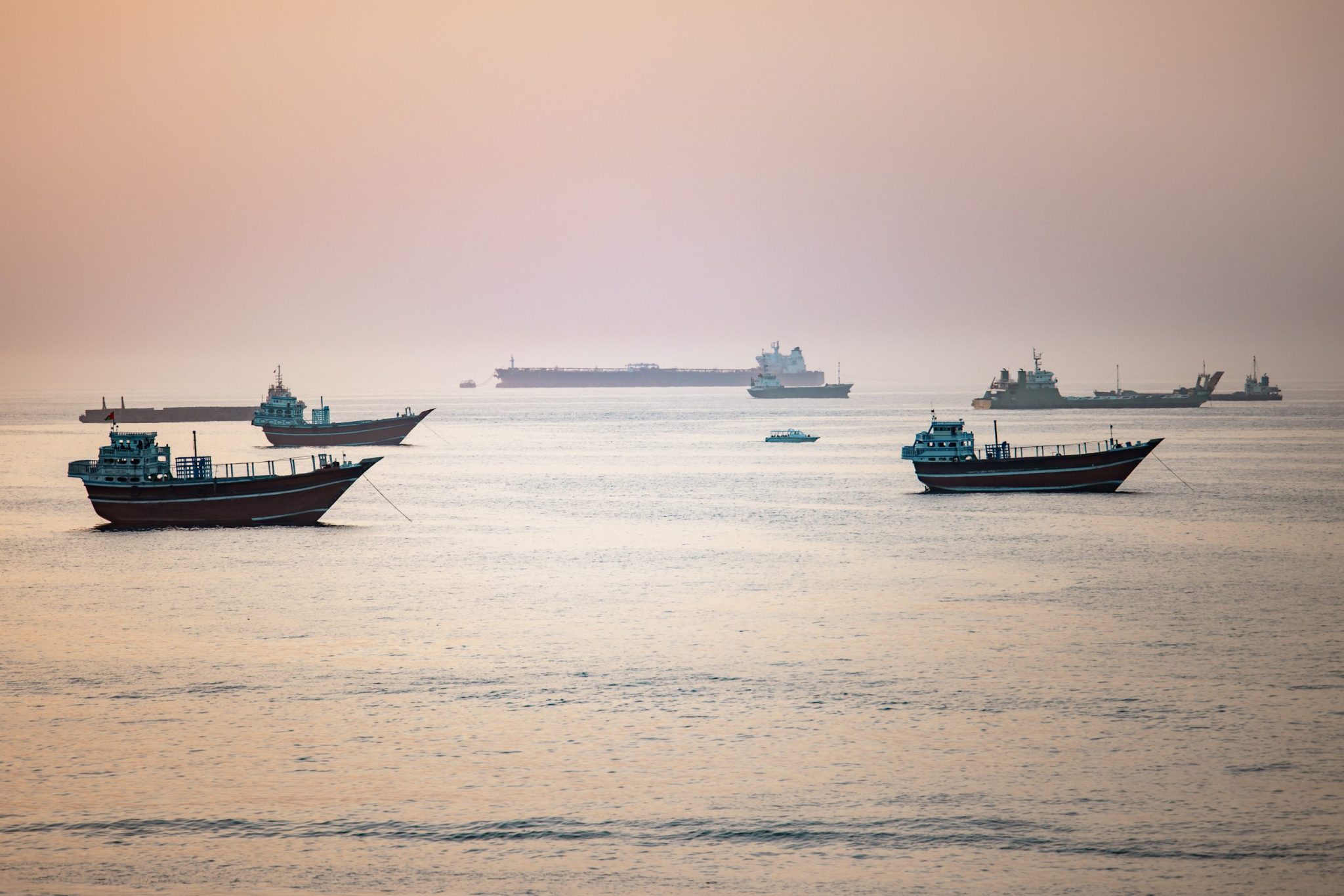
Financial experts are now releasing data that shows how much the war is hurting the local economy. Goldman Sachs, a major global bank, shared some worrying figures. They predict that oil production in Saudi Arabia could drop by 12% this year. In the United Arab Emirates, oil output might fall by 16%. Other countries like Qatar, Kuwait, and Bahrain could see their oil production drop by more than 25% if the war lasts a long time. These numbers are important because these countries rely heavily on selling oil to fund their governments and build new cities.
Background and Context
To understand why this matters, it is helpful to look at how the Gulf has changed over the last decade. These countries have tried to move away from just selling oil. They wanted to become places where the world’s most powerful leaders meet to solve problems. This is often called "convening power." By hosting events like the WEF, Saudi Arabia was trying to show that it is a safe and modern place for global business. The war has interrupted this progress. Beyond just oil, other parts of the economy are suffering too. Many airports have closed, which means fewer tourists are visiting. People are also buying fewer homes and offices, which hurts the real estate market.
Public or Industry Reaction
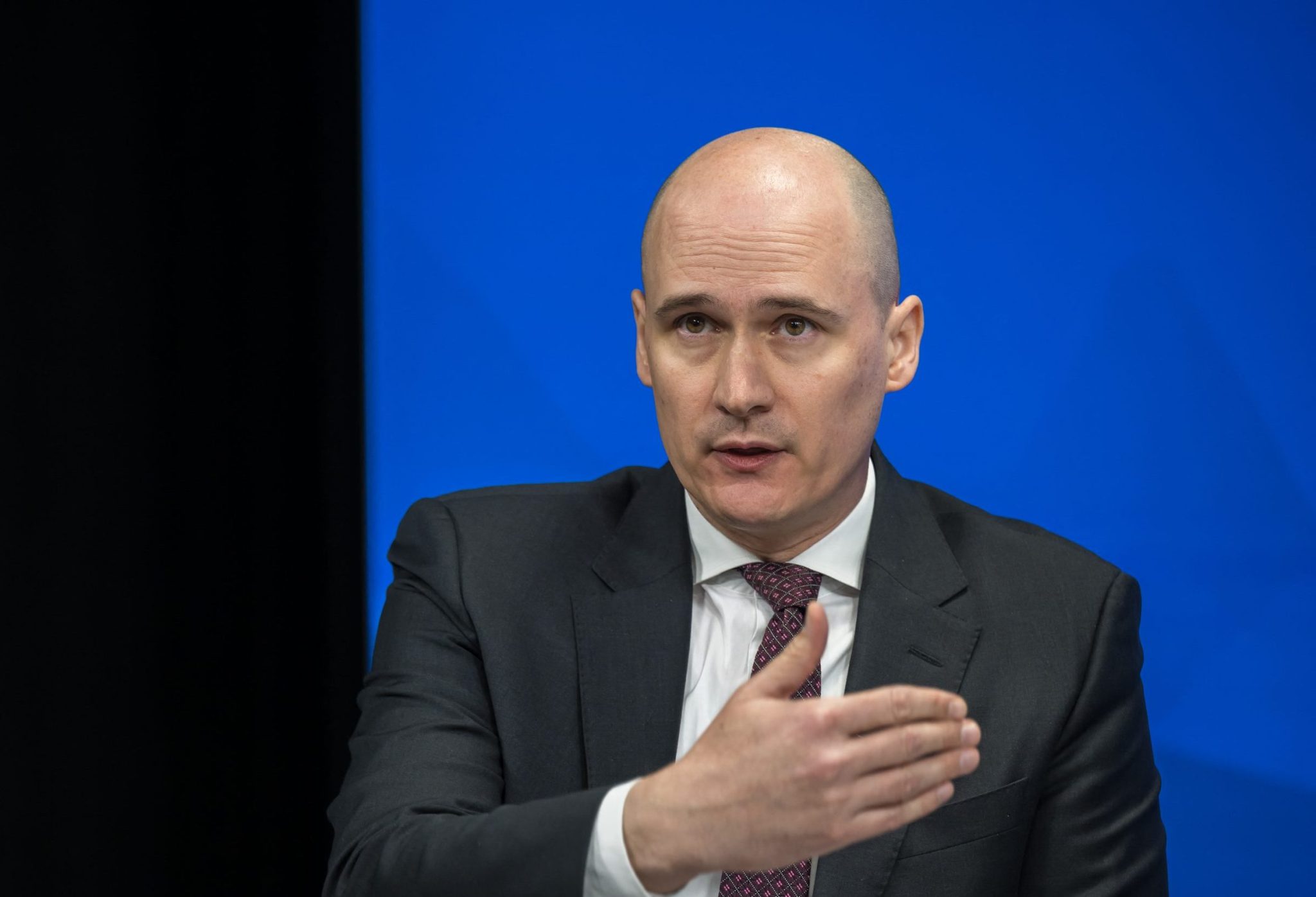
Business leaders in the region are feeling worried. They are concerned that the positive energy the Gulf had built up over the last few years is disappearing. However, the WEF has tried to offer some hope. Mirek Dusek, a top official at the WEF, said that the organization remains committed to the region. He explained that the Forum’s job is to bring people together to talk, especially when there is a lot of disagreement or conflict. He pointed out that their main meeting in Davos, Switzerland, had record attendance this year, proving that leaders still want to find ways to communicate during difficult times.
What This Means Going Forward
The next few months will be critical for the region. The WEF says it will provide updates on a new date for the Jeddah meeting as soon as possible. In the meantime, the organization is focusing on its other global events, such as a meeting in China scheduled for late June. For the Gulf, the focus will be on trying to stabilize the economy. If the war continues, the total economic value of these countries, known as GDP, could shrink significantly. Experts estimate that Kuwait and Qatar could see their economies shrink by as much as 14% this year. Saudi Arabia and the UAE might see smaller but still serious drops of 3% to 5%.
Final Take
The postponement of the WEF meeting is a clear sign that the war is no longer seen as a short-term problem. While the desire to connect global leaders remains strong, safety and stability must come first. The region now faces a difficult path to regain the trust of the international business community.
Frequently Asked Questions
Why was the WEF meeting in Saudi Arabia postponed?
The meeting was delayed because of the ongoing war in the region and the risks it creates for international travelers and business leaders. The WEF and the Saudi government decided it was best to wait for a time when the meeting could be more successful.
How is the war affecting the oil industry in the Gulf?
Experts predict a large drop in oil production. Saudi Arabia could see a 12% decrease, while other countries like Kuwait and Qatar might see drops of over 25% if the conflict continues for a long time.
Will the World Economic Forum return to the Gulf?
Yes, the WEF has stated that they remain committed to the region and plan to reschedule the meeting in Jeddah. They believe that having conversations between leaders is even more important during times of war and political tension.