
Summary
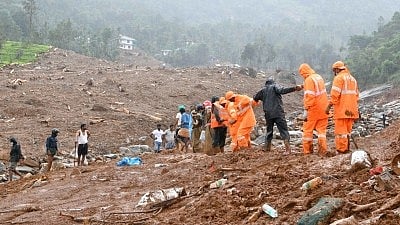
A mudslide at a tunnel construction site in Kerala's Wayanad district has killed four people, with four others still missing. The disaster struck the Anakkampoyil–Kalladi tunnel road project after heavy rain caused excavated earth to collapse. Rescue teams are working in difficult conditions to find survivors, while officials say the incident may have been caused by poor storage of construction waste.
Main Impact
The mudslide has claimed four lives and left four workers feared trapped under mud and debris. Ten injured people are being treated in hospitals. The collapse also buried a bridge, swept away a church and a nearby house, and cut off access to the area. A major tragedy was avoided because the house was empty—its owners were on a pilgrimage to Mecca—and the church was unoccupied at the time.
Key Details
What Happened
The mudslide occurred near Meenakshi Bridge at Kalladi, where work on the Wayanad end of the tunnel road project was underway. Heavy rain triggered the collapse of large piles of excavated earth that had been stacked at the construction site. The falling mud buried workers, vehicles, and parts of the work area.
Important Numbers and Facts
The Meppadi area recorded 226 mm of rain in the 24 hours before the disaster. Rescue teams have deployed two excavators to clear debris and restore access. The state government had issued a formal order on June 20 directing the construction company to remove the excavated earth, but the company allegedly did not follow these instructions.
Background and Context
The tunnel road project is a major infrastructure effort in Kerala's hilly Wayanad region. Such projects often involve digging through mountains, which creates large amounts of excavated soil and rock. When this material is stored improperly on slopes, heavy rain can cause it to slide. This is not the first time construction-related mudslides have occurred in India, and experts have warned about the risks of dumping earth without proper safety measures.
Public or Industry Reaction
Kerala Chief Minister V.D. Satheesan said rescue operations are continuing despite challenging conditions caused by relentless rain. He directed revenue minister A.P. Anil Kumar and agriculture minister T. Siddique to go to Wayanad and oversee the rescue effort. Agriculture Minister Siddique called the disaster "man-made," saying excavated soil had been dumped in an unscientific manner despite earlier warnings. Wayanad MP Priyanka Gandhi Vadra expressed grief and said all agencies are working together to rescue those trapped.
What This Means Going Forward
The disaster raises serious questions about safety practices at construction sites in hilly areas. The government is likely to investigate whether the construction company ignored warnings and failed to follow safety rules. This incident may lead to stricter regulations for storing excavated earth during tunnel and road projects. Rescue teams continue to search for the missing, but heavy rain and unstable ground make the operation difficult and dangerous.
Final Take
The Wayanad mudslide shows how poor planning and ignored warnings can turn a construction project into a deadly disaster. While rescue teams work to find survivors, the focus must now shift to holding those responsible accountable and preventing similar tragedies in the future.
Frequently Asked Questions
What caused the Wayanad tunnel mudslide?
The mudslide was triggered by heavy rain that caused large piles of excavated earth from the tunnel construction to collapse. Officials say the earth was stored in an unsafe manner, making this a man-made disaster rather than a natural one.
How many people are dead or missing?
Four people have died, and four others are still missing and feared trapped under the debris. Ten injured people are receiving treatment in hospitals.
What is being done to rescue the missing?
Multi-agency rescue teams including the NDRF, SDRF, police, and Civil Defence volunteers are working at the site. They are using heavy machinery like excavators to clear mud and debris. However, heavy rain and unstable terrain are making the operation very challenging.

