
Summary
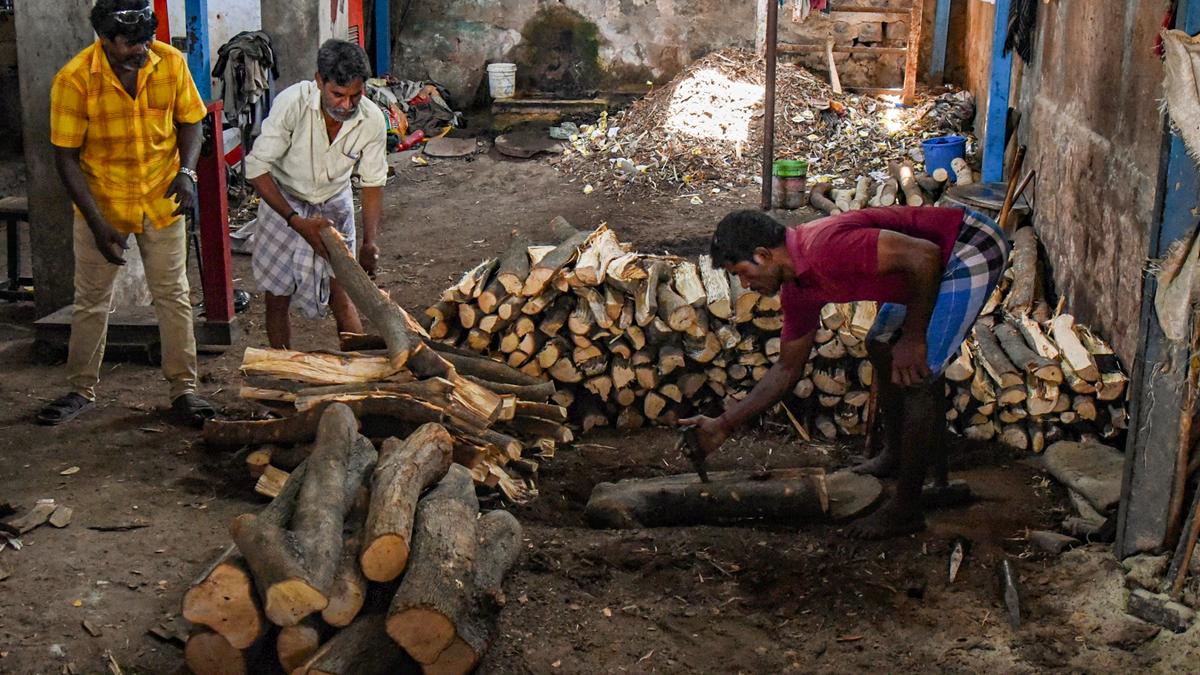
Residents and small business owners in Tiruchi are facing a difficult financial situation as the price of firewood has climbed sharply in recent weeks. A standard 25-kilogram bundle of wood, which was sold for a much lower price in February, has now seen a significant increase. This sudden change is affecting many people who rely on wood as their primary source of fuel for cooking and business operations. The rising costs are creating a ripple effect across the local economy, making daily life more expensive for many families.
Main Impact
The most immediate impact of this price hike is being felt by small-scale food vendors and low-income households. In Tiruchi, many tea stalls, roadside eateries, and traditional bakeries use firewood because it has historically been cheaper than commercial gas cylinders. With the cost of fuel nearly doubling, these small business owners are finding it hard to maintain their profit margins. Many are now forced to choose between raising the prices of their food items or absorbing the extra costs themselves, which threatens their livelihood.
Key Details
What Happened
Over the course of just a few weeks, the market for firewood in Tiruchi has shifted dramatically. Supply chains have tightened, and the cost to purchase wood from local suppliers has jumped. This change happened quickly, catching many regular buyers off guard. Sellers claim that the availability of good quality wood has decreased, leading to the current price surge. This has left many consumers looking for cheaper alternatives, though few options exist for those who depend on wood-fired stoves.
Important Numbers and Facts
The data shows a steep upward trend in pricing. In late February, a 25-kilogram bundle of firewood was priced between ₹150 and ₹200. As of mid-March, that same bundle now costs more than ₹300. This represents a price increase of roughly 50% to 100% in less than a month. For a small business that uses several bundles a day, this adds up to thousands of extra rupees in monthly expenses. Most of the wood sold in these bundles comes from local trees like acacia, which are commonly used for their slow-burning properties.
Background and Context
Firewood remains a vital resource in many parts of India, including Tiruchi. While many urban homes have switched to liquefied petroleum gas (LPG), firewood is still the backbone of the informal food sector. Street vendors prefer it not only for the cost but also for the specific heat and flavor it provides to certain dishes. Additionally, many families in rural and semi-urban areas around the city use wood for heating water and cooking daily meals. When the price of such a basic necessity goes up, it acts as a hidden tax on the poorest members of society who cannot easily switch to other energy sources.
Public or Industry Reaction
Local vendors have expressed deep concern over the rising prices. Many tea shop owners say they are struggling to keep their prices at ₹10 or ₹12 per cup because the cost of boiling water has become so high. Some residents have noted that even the quality of the wood has changed, with more moisture in the bundles, making it harder to light and less efficient to use. There is a general sense of frustration, as many feel that there is no government regulation to control the prices of firewood, unlike the prices of petrol or electricity.
What This Means Going Forward
If the prices do not stabilize soon, consumers can expect to see higher prices for common street foods and snacks. There is also a risk that people might turn to burning lower-quality materials, such as plastic waste or treated scrap wood, to save money. This could lead to health problems and increased air pollution in the city. In the long term, this price pressure might push more small businesses to try and switch to electric or gas stoves, but the high initial cost of equipment remains a major barrier for most.
Final Take
The sharp rise in firewood costs in Tiruchi is more than just a minor market change; it is a serious challenge for the city's working class. As a basic fuel source becomes more expensive, the cost of living for everyone rises. Without a steady supply of affordable wood or better access to alternative fuels, small businesses and families will continue to feel the pressure of these rising costs. This situation highlights how sensitive the local economy is to changes in the prices of natural resources.
Frequently Asked Questions
Why has the price of firewood gone up in Tiruchi?
The price has increased due to a combination of lower supply and higher demand. Changes in the availability of wood and the costs of transporting it to the city have contributed to the sudden jump in retail prices.
Who is most affected by the rising firewood costs?
Small business owners, such as tea stall vendors and roadside eatery owners, are hit the hardest. Low-income families who use wood for cooking and heating water are also struggling with the extra expense.
How much did firewood cost before the price hike?
In late February, a 25-kg bundle of wood was sold for between ₹150 and ₹200. Today, that same amount of wood costs over ₹300, marking a significant increase in a very short time.



