
Summary
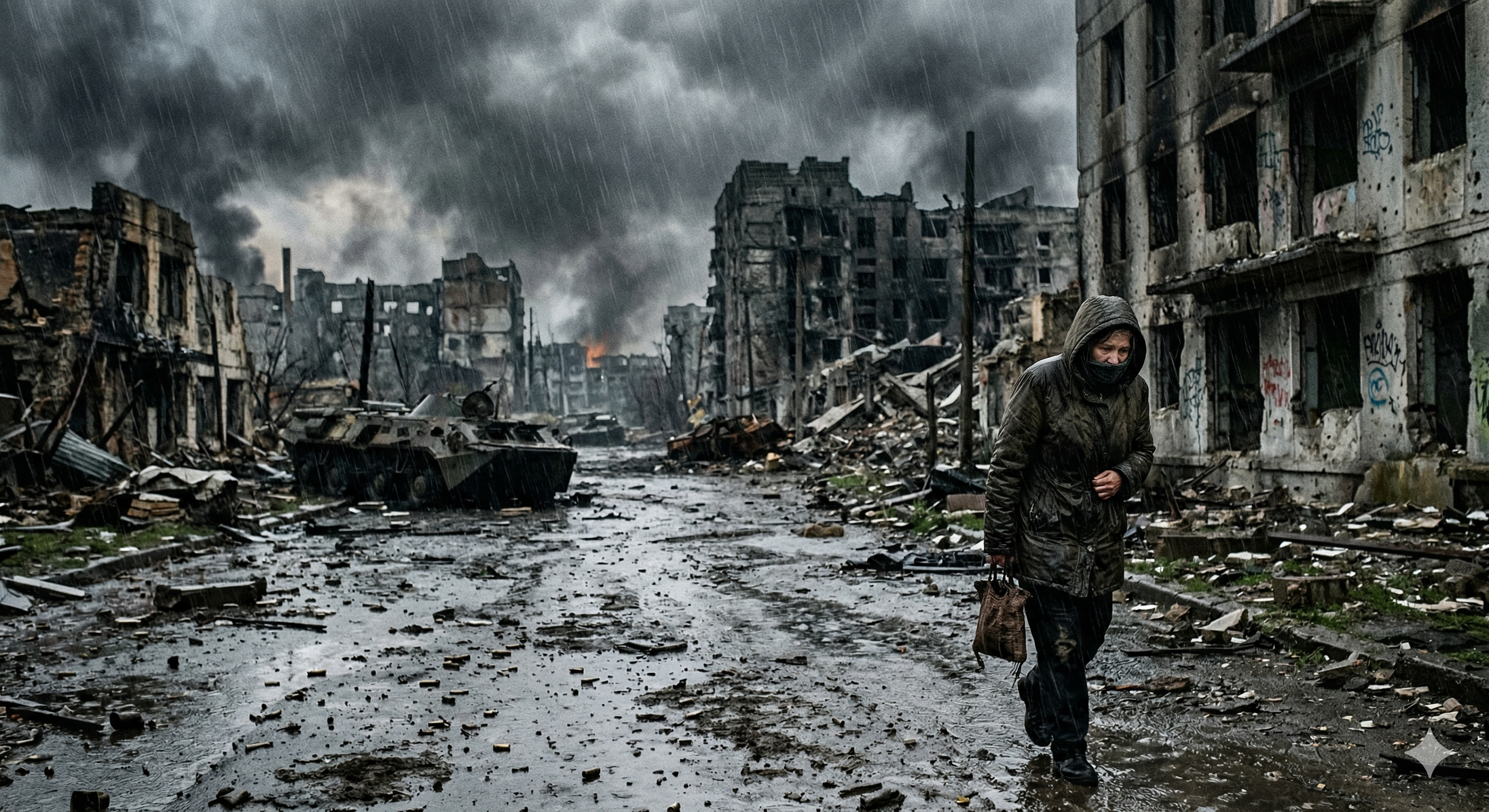
Wars do much more than destroy buildings and move borders; they also change the air we breathe and the weather we experience. When bombs explode and cities burn, they release massive amounts of chemicals and dust into the sky. These pollutants can create toxic fog, cause acid rain, and even change how much sunlight reaches the ground. This hidden damage to the environment can last for many years after the fighting stops, affecting the health of people and the planet far away from the battlefield.
Main Impact
The biggest impact of war on weather is the creation of dirty air that blocks the sun and changes rain patterns. Large fires from bombed factories or oil wells send thick, black smoke high into the atmosphere. This smoke can travel thousands of miles, cooling the ground below while trapping heat higher up. This shift disrupts the natural balance of the weather, often leading to strange temperature changes and unpredictable storms that hurt farmers and local food supplies.
Key Details
What Happened
During a conflict, the use of heavy explosives and the burning of fuel release dangerous gases like sulfur dioxide and nitrogen oxides. When these gases mix with water in the clouds, they turn into acid. This acid then falls back to earth as rain. This "acid rain" can kill trees, poison lakes, and eat away at stone buildings. Additionally, the dust kicked up by military vehicles and explosions creates a thick, toxic fog that hangs low to the ground, making it hard for people to breathe and causing long-term lung problems.
Important Numbers and Facts
Research shows that the world’s militaries are responsible for about 5.5% of all global greenhouse gas emissions. To put that in perspective, if the world's armed forces were a single country, they would have the fourth-largest carbon footprint in the world. During historical conflicts, such as the Gulf War, over 600 oil wells were set on fire, releasing millions of tons of soot. This caused "black rain" to fall hundreds of miles away, covering everything in a layer of oily grime and dropping local temperatures by several degrees.
Background and Context
For a long time, people only focused on the immediate human cost of war. However, scientists are now looking closer at how modern weapons damage the earth's systems. In the past, wars were fought with swords or simple guns, but today’s wars involve high-tech explosives and massive amounts of fuel. These modern tools of war create a chemical footprint that the earth cannot easily clean up. Understanding this is important because the world is already struggling with climate change, and military conflicts make these environmental problems much worse and harder to fix.
Public or Industry Reaction
Environmental groups and scientists are becoming more vocal about the "environmental cost of conflict." Many experts are calling for new international laws that would make it a crime to cause massive damage to the environment during war. This is sometimes called "ecocide." They argue that nature should be protected just like civilians are. Some military leaders are also starting to take notice, looking for ways to use cleaner energy for their vehicles and bases to reduce their impact on the climate, though progress is slow.
What This Means Going Forward
As we look to the future, the link between war and weather will become even more critical. If large-scale conflicts continue, the resulting pollution could speed up global warming and lead to more frequent natural disasters. The next steps involve better tracking of air quality in war zones and holding groups accountable for the cleanup of toxic sites. There is also a growing need for "green" rebuilding efforts after a war ends, ensuring that new infrastructure does not continue to harm the local weather and environment.
Final Take
The damage caused by war does not stay within the lines on a map. The toxic fog and acid rain created by conflict move with the wind, affecting everyone on earth. Protecting our weather and our air requires more than just environmental laws; it requires a global effort to reduce conflict. When we talk about the cost of war, we must include the price the planet pays, as a broken environment makes it much harder for any society to recover and find lasting peace.
Frequently Asked Questions
How does war cause acid rain?
War causes acid rain when explosions and fires release chemicals like sulfur and nitrogen into the air. These chemicals mix with moisture in the clouds to form acid, which then falls as rain, harming plants and water sources.
Can war change the temperature of a region?
Yes. Large amounts of smoke and soot from fires can block sunlight, which cools the ground. At the same time, greenhouse gases from military equipment can trap heat in the atmosphere, leading to long-term warming.
What is toxic fog in a war zone?
Toxic fog is a thick layer of air pollution made of dust, chemicals from explosives, and smoke. It stays near the ground and is very dangerous for humans and animals to breathe, often causing serious health issues for years.

