
Summary
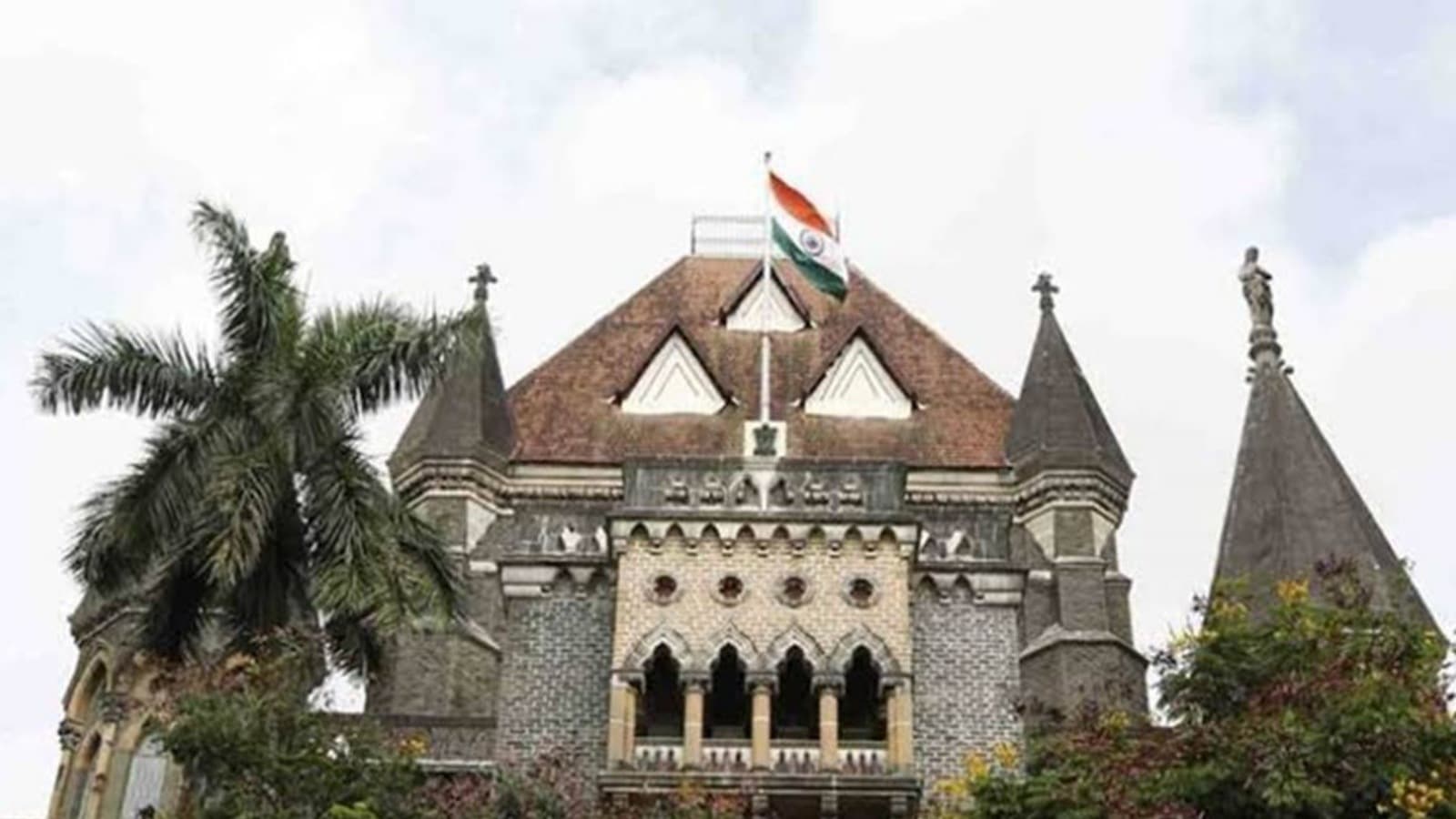
The Central Bureau of Investigation (CBI) has concluded its investigation into the 2019 death of a young man in police custody, finding no evidence of physical torture. Vijay Singh, a 26-year-old resident of Mumbai, died shortly after being detained at the Wadala Truck Terminal police station. While his family fought a long legal battle claiming he was beaten to death, the Bombay High Court has now rejected their plea to continue the case against the officers involved. This decision marks a major turning point in a case that has lasted for several years.
Main Impact
The ruling by the Bombay High Court effectively clears the police officers of criminal charges related to the death. By accepting the CBI’s report, the court has signaled that there is not enough evidence to prove that the police used violence against the victim. For the family of Vijay Singh, this is a significant blow to their quest for what they describe as justice. For the police department, the decision removes a long-standing legal cloud, though it continues to spark discussions about how custodial deaths are investigated in the country.
Key Details
What Happened
The incident began in October 2019 when Vijay Singh was involved in a minor dispute with a couple over a parking issue or a similar small disagreement. Following the argument, Singh was taken to the Wadala Truck Terminal police station for questioning. According to witnesses and family members who were nearby, Singh appeared to be in distress while at the station. He eventually collapsed and was rushed to a nearby hospital, where he was declared dead. His family immediately alleged that the police had physically assaulted him, leading to his sudden death.
Important Numbers and Facts
The case has moved through several stages over the last few years. Vijay Singh was only 26 years old at the time of his death. After the local police were accused of a cover-up, the investigation was moved to the CBI to ensure a neutral look at the facts. The CBI filed what is known as a "B-summary" report. In simple legal terms, this means the investigative agency found no evidence to support a criminal trial. The medical reports cited in the case indicated that Singh died of a heart attack and did not show signs of external or internal injuries that would suggest a beating.
Background and Context
Custodial deaths are a very sensitive topic in India. When a person dies while being held by the police, it usually leads to an automatic investigation by a higher authority to make sure the police did not abuse their power. In the case of Vijay Singh, the public outcry was significant. Many people gathered to protest outside the police station in 2019, demanding that the officers be held accountable. The family argued that a healthy young man would not simply drop dead from a heart attack without some form of extreme stress or physical trauma caused by the police.
Public or Industry Reaction
The reaction to the High Court's decision has been mixed. Legal experts note that the court must rely on the evidence presented by investigative agencies like the CBI. Since the medical experts found no marks of struggle or assault, the court had little choice but to accept the findings. However, human rights advocates have expressed concern. They argue that custodial deaths are hard to prove because the evidence is often controlled by the same system being investigated. The family of Vijay Singh has expressed deep sadness, stating that they feel the system has protected its own officers instead of seeking the truth about their son's final moments.
What This Means Going Forward
This case highlights the critical role that medical evidence plays in legal battles involving the police. Moving forward, this ruling may make it harder for families to challenge police versions of events unless there is clear video evidence or immediate medical proof of injury. It also emphasizes the importance of having working CCTV cameras in every corner of a police station. While the legal case in the High Court has reached an end, the debate over how to prevent and investigate deaths in custody will likely continue among lawmakers and civil rights groups.
Final Take
The closure of the Wadala custodial death case brings a sense of finality to the legal proceedings, but it leaves many questions unanswered for the public. While the CBI and the High Court found no proof of foul play, the loss of a young life in a police station remains a tragic event. The reliance on medical reports over witness claims shows that in the eyes of the law, physical evidence remains the most powerful tool for deciding guilt or innocence.
Frequently Asked Questions
What is a B-summary report?
A B-summary report is a document filed by an investigative agency when they find that a complaint is true but there is no evidence to support a criminal trial or when the facts do not reveal a crime.
Why did the family lose the case?
The family lost the case because the CBI investigation and medical reports did not show any signs of physical torture or assault. The court ruled that there was no legal basis to continue the prosecution without such evidence.
What was the official cause of death?
The official medical reports stated that Vijay Singh died of natural causes, specifically a heart attack, rather than from injuries sustained during his time at the police station.



