
Summary
The Indira Gandhi Zoological Park (IGZP) in Visakhapatnam has launched a comprehensive summer care plan to protect its animals from rising temperatures. As the heat intensifies in April, zoo officials are using special cooling tools and hydration methods tailored to different species. These efforts aim to prevent heat stroke, dehydration, and general stress among the animals living in the park. By adjusting diets and modifying living spaces, the zoo ensures that every resident stays healthy during the peak summer months.
Main Impact
The primary impact of these measures is the immediate improvement in animal welfare and safety. High temperatures can be dangerous for animals in captivity, as they cannot always find natural ways to cool down. The zoo’s proactive approach reduces the risk of heat-related illnesses and keeps the animals active for visitors to see. This seasonal strategy also helps the zoo staff manage the health of sensitive species that are more prone to the negative effects of extreme weather.
Key Details
What Happened
To combat the heat, the zoo management has installed several cooling systems across the park. For large mammals and birds, staff members have set up sprinklers and foggers that spray a fine mist of water to lower the air temperature. Many enclosures now have air coolers and fans to provide a constant breeze. Additionally, the zoo has added green nets and thatched roofs over open areas to block direct sunlight and create more shade for the animals.
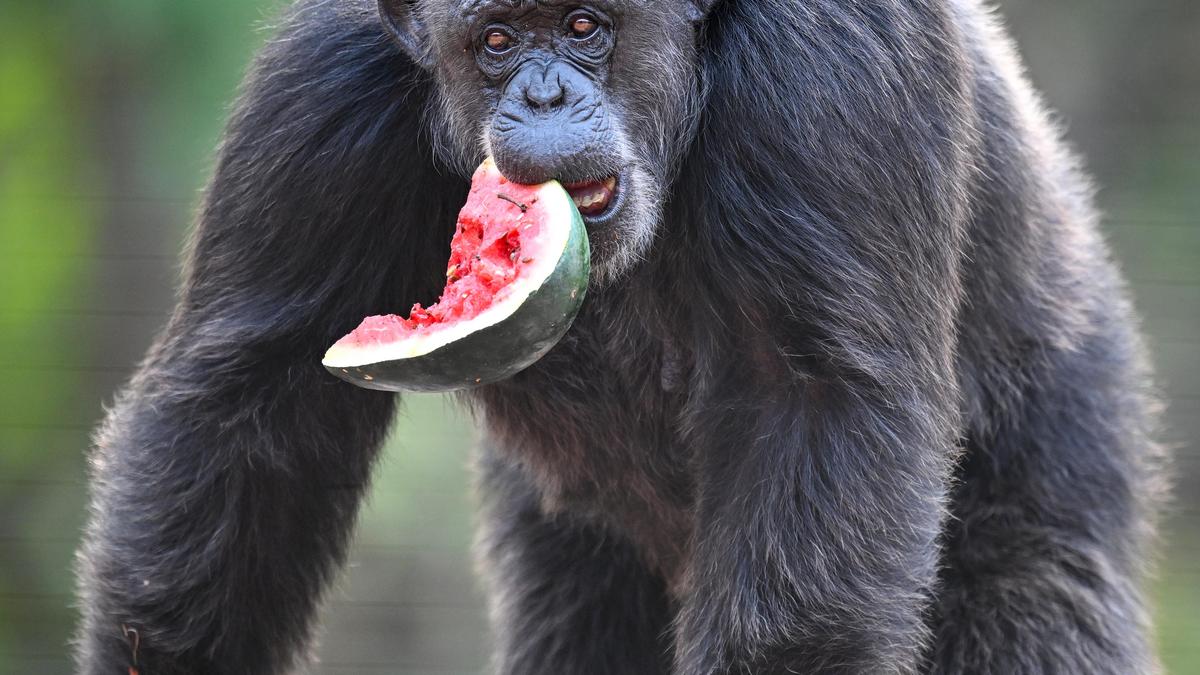
The diet of the animals has also changed significantly. The veterinary team has introduced water-rich foods like watermelons, musk melons, and cucumbers. To keep the animals hydrated, electrolytes and glucose are added to their drinking water. This helps maintain their energy levels and prevents the loss of essential minerals caused by the heat.
Important Numbers and Facts
The cooling plan covers hundreds of animals across various species, including tigers, lions, elephants, primates, and birds. Water ponds within the enclosures are being refilled and cleaned more frequently to ensure animals have access to cool water for bathing. The zoo staff monitors the temperature throughout the day, focusing most of their cooling efforts between 11:00 AM and 4:00 PM, which is the hottest part of the day in Visakhapatnam.
Background and Context
Visakhapatnam is known for its high humidity and hot summer weather. For a zoo located near the coast, the combination of heat and moisture can be particularly difficult for animals. In the wild, animals might move to deeper forests or find natural water sources to stay cool. In a zoo environment, they rely entirely on human care to manage these environmental changes. This is why the Indira Gandhi Zoological Park prepares a "summer action plan" every year to deal with the changing climate.
Public or Industry Reaction
Visitors to the zoo have reacted positively to these changes, noting that the animals appear more comfortable and less lethargic. Animal welfare experts have praised the zoo for using species-specific methods rather than a one-size-fits-all approach. For example, while some animals need mist, others prefer mud baths or chilled fruit treats. This attention to detail shows a high level of professional care and commitment to the health of the wildlife under their protection.
What This Means Going Forward
As global temperatures continue to rise, these temporary summer measures may become a permanent part of zoo management. The IGZP is looking into more sustainable ways to keep the park cool, such as planting more trees and building enclosures with better natural ventilation. In the future, we may see more automated systems that track animal body temperatures and activate cooling sprays automatically. This shift toward tech-assisted animal care will be vital for zoos located in tropical regions.
Final Take
The efforts at the Visakhapatnam zoo show that keeping animals safe in a changing climate requires constant work and careful planning. By combining simple solutions like shade nets with modern tools like foggers and specialized diets, the zoo is setting a strong example for wildlife care. Protecting these animals from the summer heat is not just about comfort; it is a necessary step to ensure their long-term survival and health in a captive environment.
Frequently Asked Questions
How do the zoo animals stay hydrated?
Animals are given water-rich fruits like watermelons and cucumbers. Their drinking water is also mixed with glucose and electrolytes to prevent dehydration.
What tools are used to cool the enclosures?
The zoo uses water sprinklers, foggers that create a fine mist, air coolers, and fans. They also use green nets and thatched roofs to provide extra shade.
Which animals need the most care during summer?
Large mammals like tigers and elephants, as well as primates and certain bird species, are closely monitored because they are more sensitive to high temperatures.

