
Summary
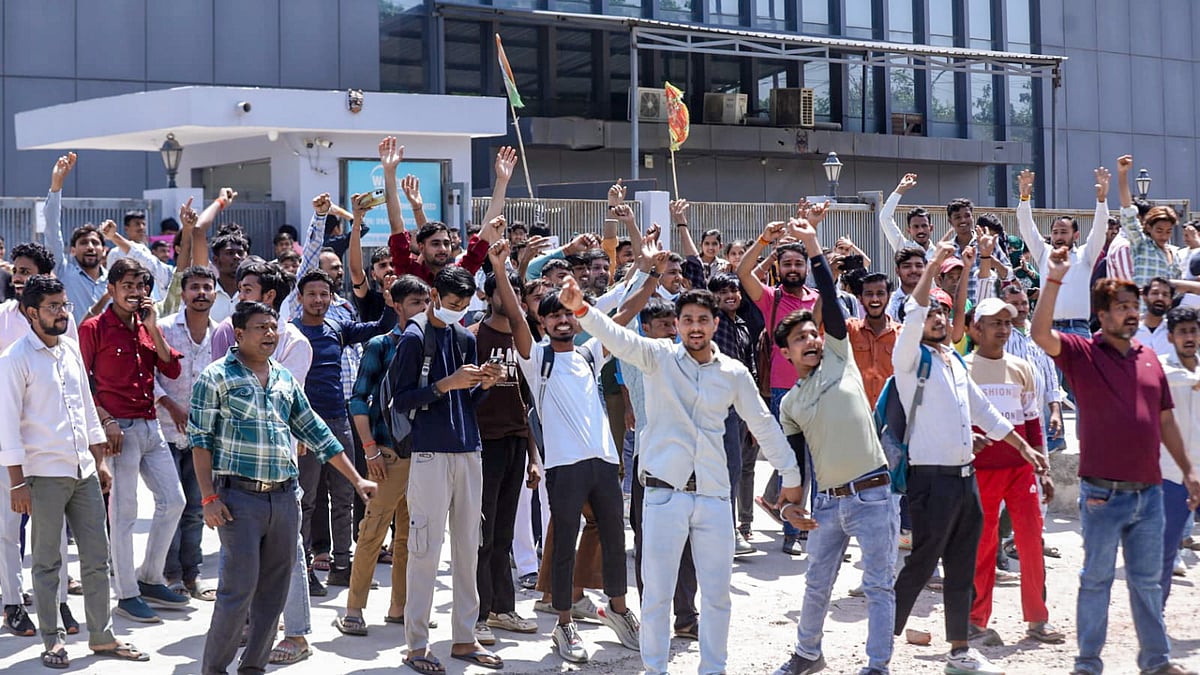
Violent protests broke out in Noida on Monday as factory workers demanded better pay and working conditions. The unrest led to clashes with police, damaged property, and major traffic jams on roads connecting Noida to Delhi. While workers say they cannot survive on current wages due to high prices, political leaders are divided on the cause of the violence. The state government has deployed extra security forces to restore order and is investigating if outside groups started the trouble.
Main Impact
The protests have caused a major shutdown in several industrial parts of Noida, affecting daily work and transportation. Beyond the physical damage, the event has sparked a heated political debate across Uttar Pradesh. Opposition leaders argue that the government is ignoring the struggles of the poor, while the ruling party suggests the violence was a planned attempt to disturb the peace. This situation has put a spotlight on the growing gap between rising living costs and stagnant wages for industrial laborers.
Key Details
What Happened
On Monday morning, a large number of workers from various factories gathered in industrial zones such as Phase-2, Sector 60, Sector 62, and Sector 84. What began as a protest for higher salaries quickly turned into a riot. People threw stones at buildings, set vehicles on fire, and damaged public property. The police had to use force to move the crowds, and the Chilla border, a main road to Delhi, was blocked for hours. This forced drivers to take long detours through the DND flyway.
Important Numbers and Facts
To control the situation, the government sent in eight companies of the Provincial Armed Constabulary (PAC) and the Rapid Action Force (RAF). These are special police units trained to handle riots. Additional police officers were also called in from nearby districts to help. Authorities have set up Quick Response Teams at major factory sites, including the Motherson Group facility, to prevent more violence. The police are now using video footage to identify people who participated in the arson and stone-pelting.
Background and Context
The main reason for the anger is a long-standing demand for a wage revision. Many workers in Noida claim that their salaries have stayed the same for years while the price of food, rent, and fuel has gone up significantly. They feel that the current pay is not enough to support a family. In simple terms, the workers believe they are being exploited by big companies that make large profits but do not share the wealth with the people doing the hard work. This frustration has been building up for a long time, and Monday’s event was the result of that pent-up anger.
Public or Industry Reaction
The political reaction was swift. Samajwadi Party leader Akhilesh Yadav criticized the government, saying they only care about "capitalists" or wealthy business owners. He stated that it is very hard for a family to survive on low wages during a time of high inflation. He argued that the government’s policies favor the rich while leaving the workers to suffer.
On the other side, Chief Minister Yogi Adityanath suggested that the violence might be part of a "larger conspiracy." He warned that certain "external elements" or extremist groups might be using the workers' genuine concerns to create chaos. Meanwhile, the Congress party called for the government to talk to the workers instead of using tear gas and police force. They argued that hunger and financial stress cannot be solved by police action alone.
What This Means Going Forward
The government is now trying to balance security with labor reforms. They have announced that factories must follow new rules, such as paying double for overtime work and ensuring salaries are paid on time. They also want to make sure workers get their weekly days off and yearly bonuses. If these rules are strictly followed, it could improve the lives of thousands of workers. However, the police will remain on high alert in industrial areas for the next few weeks to prevent any more riots. The investigation into who started the violence will also continue, which could lead to many arrests.
Final Take
The unrest in Noida is a clear sign that economic pressure on the working class is reaching a breaking point. While the government views the violence as a law-and-order issue, the underlying problem is the struggle to afford basic needs. For Noida to remain a stable industrial hub, the government and factory owners must find a way to address wage concerns before frustration turns into further conflict.
Frequently Asked Questions
Why were the workers in Noida protesting?
The workers were protesting because they wanted higher wages. They claim that their current pay is too low to cover the rising cost of living and inflation.
Which areas in Noida were most affected by the violence?
The most affected areas were the industrial zones in Phase-2, Sector 60, Sector 62, and Sector 84. These areas saw stone-pelting, vehicle fires, and heavy traffic jams.
What is the government doing to stop the unrest?
The government has deployed special riot police and is enforcing labor rules like mandatory double pay for overtime. They are also meeting with factory owners to ensure workers are treated fairly and paid on time.

