
Summary
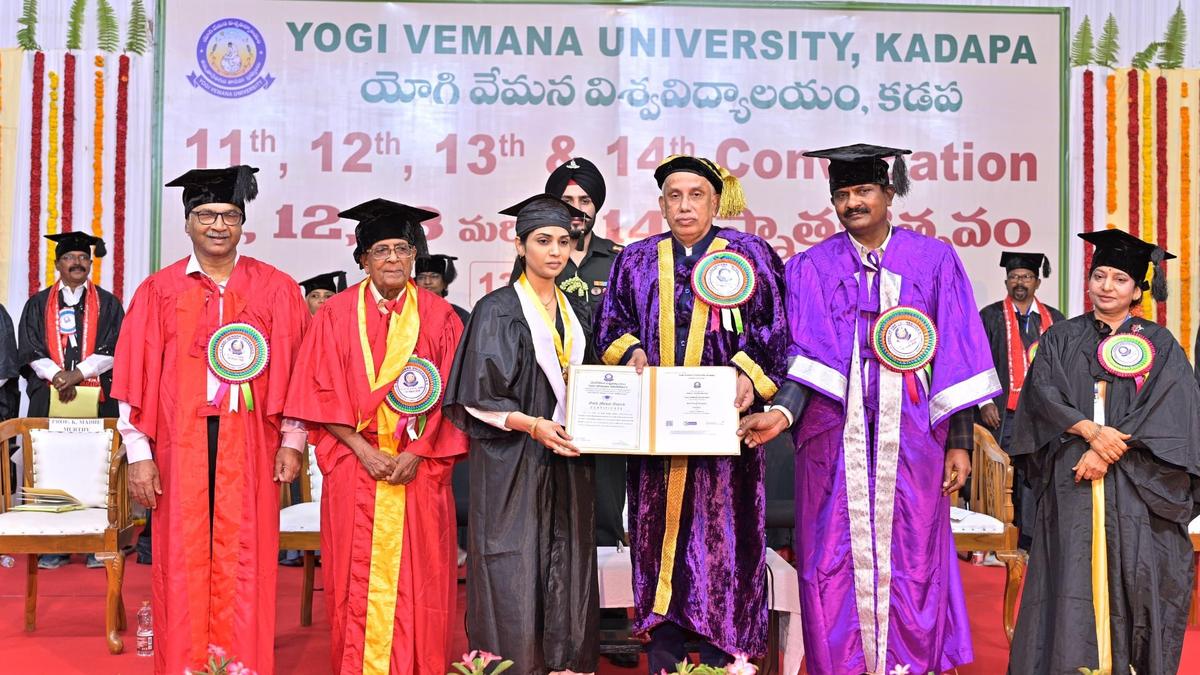
The Governor recently spoke about the vital role universities play in building a stronger India. During a major educational event, he explained that higher education institutions are the foundation for the "Viksit Bharat 2047" vision. This plan aims to make India a fully developed nation by the time it celebrates 100 years of independence. The Governor urged teachers and students to focus on innovation and practical skills to meet this ambitious goal.
Main Impact
The Governor’s message marks a shift in how the government views higher education. Instead of just earning degrees, the focus is now on creating a workforce that can compete globally. This approach is expected to change how universities design their courses and how they interact with industries. By aligning education with national goals, the government hopes to turn the large youth population into a powerful engine for economic growth. This move will likely lead to more funding for research and a bigger push for technology-based learning across the country.
Key Details
What Happened
During a recent university visit, the Governor addressed a large group of students, teachers, and education experts. He spoke about the "Amrit Kaal," which is the period leading up to 2047. He stated that the next two decades are the most important years in modern Indian history. He asked universities to stop following old methods and start embracing new ways of thinking. The Governor emphasized that the world is changing fast, and Indian students must be ready to lead that change rather than just following others.
Important Numbers and Facts
The "Viksit Bharat 2047" initiative targets the year 2047 because it marks one century since India became an independent nation. To reach this goal, the Governor highlighted the importance of the National Education Policy (NEP). This policy aims to increase the number of students in higher education and improve the quality of teaching. Data shows that India has one of the youngest populations in the world, with millions of people under the age of 30. The Governor noted that if even half of these young people gain high-level skills, the national economy could grow significantly faster than it is today.
Background and Context
The idea of a "Developed India" or "Viksit Bharat" is a central theme for the current government. For many years, India has been seen as a developing country. To move into the "developed" category, the country needs to improve its income per person, its infrastructure, and its technology. Education is seen as the fastest way to achieve this. In the past, many students focused on getting government jobs. Now, the Governor and other leaders are encouraging students to become "job creators." This means starting their own businesses and hiring others. This change in mindset is necessary because the government cannot provide jobs for every single graduate. By starting companies, students help the whole country grow.
Public or Industry Reaction
Many educators have welcomed the Governor’s comments. They agree that the current system needs to focus more on what the job market actually needs. Some university leaders mentioned that they are already starting to work more closely with private companies to give students hands-on experience. However, some critics point out that many rural universities lack the tools and internet access needed to implement these high-tech changes. Students have expressed excitement about the focus on innovation, but they also hope for more scholarships and financial support to help them start their own projects and businesses.
What This Means Going Forward
In the coming months, we can expect to see more universities updating their lesson plans. There will likely be a bigger focus on subjects like artificial intelligence, green energy, and advanced manufacturing. The government may also introduce new ranking systems for colleges based on how many of their students start successful businesses or file for patents. For the students, this means they will need to learn more than just what is in their textbooks. They will need to develop "soft skills" like leadership, communication, and problem-solving. The road to 2047 is long, but the Governor believes that the work starts today in the classroom.
Final Take
The call for universities to lead the way toward a developed India is a bold and necessary step. It moves the conversation from simple literacy to high-level expertise. If universities can successfully bridge the gap between classroom learning and real-world needs, the goal of a developed India by 2047 becomes much more realistic. The success of this plan depends on how well schools, students, and the government work together over the next twenty years.
Frequently Asked Questions
What is Viksit Bharat 2047?
It is a government vision to make India a fully developed nation by the year 2047, which is the 100th anniversary of India's independence.
Why are universities so important for this goal?
Universities train the next generation of workers and leaders. They are the places where new ideas, research, and technologies are born, which are all needed for a country to grow.
What does "job creator" mean in this context?
A job creator is someone who starts a business or an organization that provides employment for other people, instead of just looking for a job for themselves.

