
Summary
Venezuela holds the largest amount of oil in the world, but it cannot fix the current global energy crisis. As the war in Iran enters its third week, the closure of the Strait of Hormuz has created a massive shortage that no single country can fill. While the United States is working to restart Venezuela's oil sector, the amount of oil available there is too small to replace what has been lost in the Middle East. This situation has caused energy prices to climb quickly across the globe.
Main Impact
The primary challenge is a simple matter of numbers. The Strait of Hormuz is a vital water route where 20 million barrels of oil pass through every day. This accounts for about 20% of the world's total supply of oil and natural gas. In comparison, Venezuela currently produces only about 1 million barrels per day. Even if Venezuela increases its production as much as possible, it will not be enough to make up for the 14 million barrels that are currently blocked from reaching the market.
Key Details
What Happened
The conflict in Iran has caused major disruptions to global shipping. To find new sources of energy, the Trump administration took action against former leader Nicolás Maduro and is now pushing to reopen Venezuela’s oil industry. However, experts warn that this will not provide a quick fix. The global market is missing a huge amount of energy, and the small increases expected from South America are not enough to stop prices from rising.
Important Numbers and Facts
- 20 Million: The number of oil barrels that usually flow through the Strait of Hormuz daily.
- 1 Million: The current daily oil production in Venezuela.
- 103 Million: The total amount of oil the world uses every day.
- $100: The current price of a barrel of oil, which has increased by 70% this year.
- 400 Million: The number of barrels being released from emergency reserves by international agencies to help lower costs.
Background and Context
The Strait of Hormuz is the most important chokepoint for the world's energy supply. When this route is blocked, it affects everything from the price of gas at the pump to the cost of heating homes. Venezuela has more oil underground than any other nation, but its industry has been in bad shape for a long time. Years of neglect and a lack of money have left its oil fields and equipment broken. Fixing these problems will require more than $100 billion and several years of steady work.
Public or Industry Reaction
Energy experts are realistic about the situation. Fernando Ferreira from Rapidan Energy Group says there is no solution other than reopening the Strait. He notes that Venezuela’s contribution is helpful but does not change the overall problem. Francisco Monaldi from Rice University added that Venezuela might only add 250,000 barrels of daily production by the end of 2026. This represents less than 0.3% of global demand. While companies like Chevron are expanding their work in the country, others like Exxon Mobil remain cautious until more legal reforms are made.
What This Means Going Forward
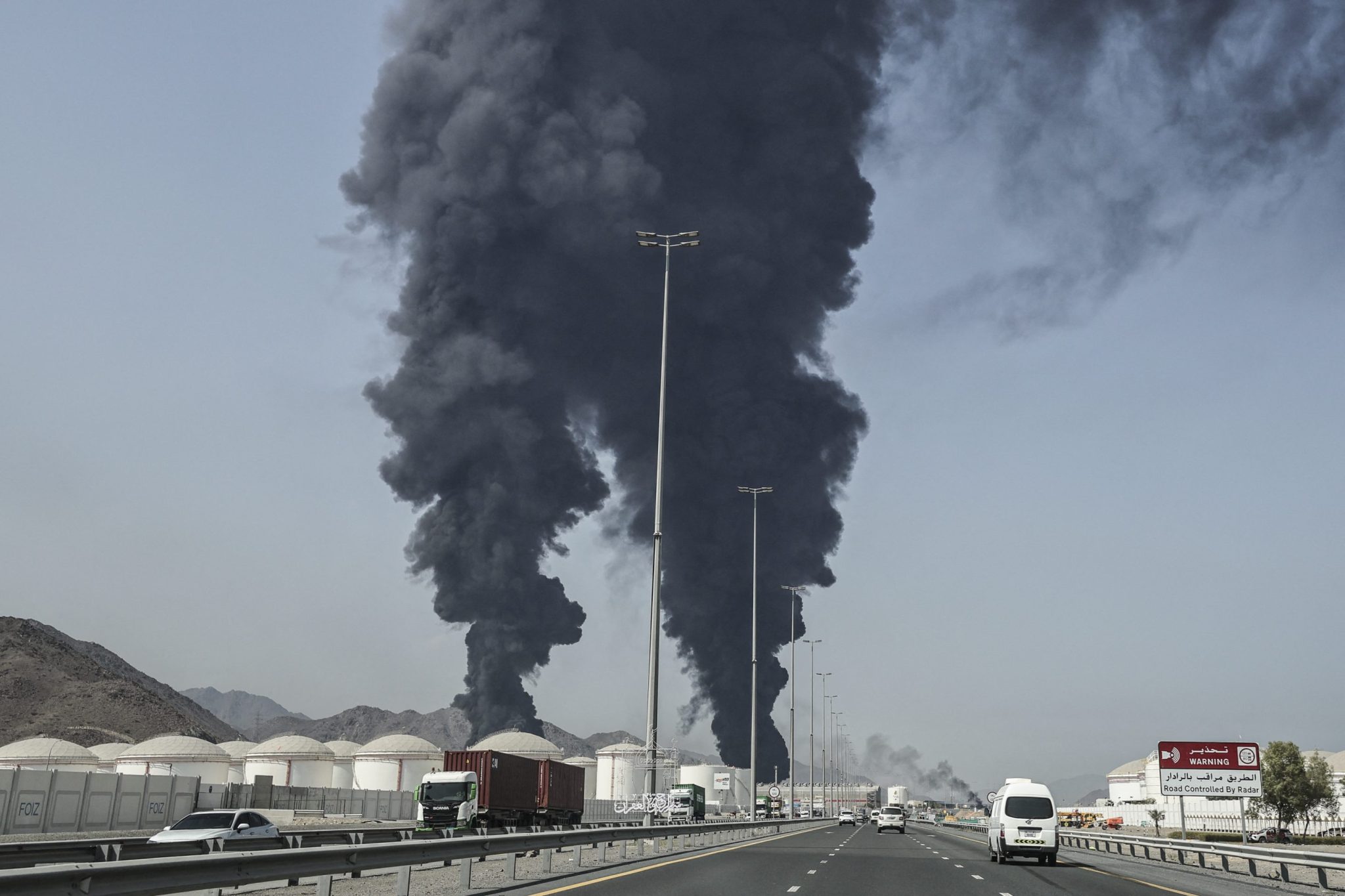
The U.S. is trying to lead a group of allies to protect oil tankers and reopen shipping routes. They have also temporarily lifted some rules on Russian oil to help stabilize prices. However, the impact of the shortage is already being felt. In the U.S., gas prices have risen to an average of $3.80 per gallon. In Asia, the situation is even worse. Some countries have had to close schools and shorten work weeks because they cannot get enough fuel. Saudi Arabia and the United Arab Emirates are trying to use pipelines to move oil around the blocked areas, but these pipelines are also facing threats from drone attacks.
Final Take
Venezuela could help the world rely less on the Middle East in the future because it is far away from the current war. However, for the crisis happening right now, there is no easy way to replace the oil that is stuck behind the Strait of Hormuz. The world will likely face high energy costs until the shipping routes are safe again or until emergency supplies fully reach the market over the next few months.
Frequently Asked Questions
Why can't Venezuela's oil fix the current shortage?
Venezuela produces 1 million barrels of oil a day, but the blocked Strait of Hormuz normally handles 20 million barrels. The difference is too large for Venezuela to fill the gap.
How much have oil prices increased?
Oil prices are now near $100 per barrel. This is an increase of about 70% since the beginning of the year due to the war in Iran and shipping disruptions.
What is being done to help with high gas prices?
The International Energy Agency is releasing 400 million barrels of oil from emergency storage. The U.S. is also working to protect oil tankers and is encouraging more production in South America.


