
Summary
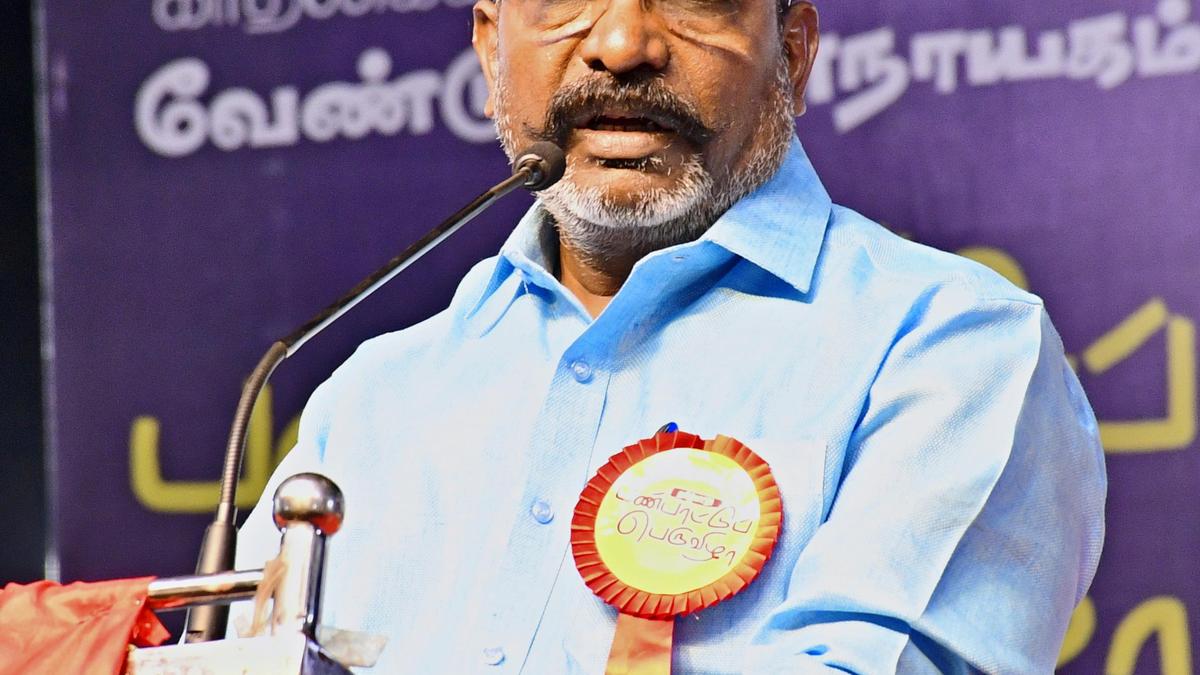
Thol. Thirumavalavan, the leader of the Viduthalai Chiruthaigal Katchi (VCK), has announced a significant shift in the party's election strategy. He stated that the party is now under pressure to select local candidates rather than bringing in people from other areas. This move follows observations from their ally, the DMK, which believes that using "outsider" candidates led to losses in key regions like Arakkonam and Vanur. By focusing on local faces, the VCK aims to build stronger ties with voters and improve their chances of winning future elections.
Main Impact
The decision to prioritize local candidates marks a change in how the VCK handles its political campaigns. In the past, many political parties in Tamil Nadu would move strong leaders to different districts to secure a win. However, this new approach suggests that voters are becoming more demanding about who represents them. The impact of this shift will likely lead to more opportunities for grassroots leaders within the party. It also puts pressure on other political groups to reconsider how they choose their representatives to avoid being labeled as out of touch with local needs.
Key Details
What Happened
During a recent discussion regarding election outcomes and future planning, Thol. Thirumavalavan highlighted a lesson learned from the DMK. The DMK leadership pointed out that their candidates in the Arakkonam and Vanur constituencies failed to win because they were not from those specific areas. Voters in these regions felt that an outsider would not understand their daily struggles or be available when needed. Taking this feedback seriously, the VCK leader expressed that his party must now follow a similar path to ensure they do not repeat the same mistakes.
Important Numbers and Facts
The focus is specifically on the Arakkonam and Vanur constituencies, which have become case studies for the "outsider" candidate problem. In previous elections, the margin of loss in these areas suggested that even a small shift in voter trust could have changed the result. The VCK is a major force in Tamil Nadu politics, often representing marginalized communities. By ensuring that candidates live and work in the same districts where they run for office, the party hopes to close the gap between the leadership and the common citizen. This strategy is expected to be implemented in the next round of local and state-level polls.
Background and Context
In the political world of Tamil Nadu, the VCK and the DMK often work together as part of a larger alliance. While the DMK is a much larger party, the VCK holds significant influence in specific pockets of the state. For many years, it was common for parties to send famous or high-ranking members to run in any district where the party had a strong following. This was done regardless of whether the candidate actually lived there.
However, the political climate is changing. People now want representatives who are easily accessible. If a bridge needs repair or a school needs funding, voters want to know that their leader lives nearby and sees the problem every day. The term "outsider" has become a negative label used by opponents to suggest that a candidate is only interested in power and not in the community. By addressing this now, Thirumavalavan is trying to protect his party from such criticism.
Public or Industry Reaction
The reaction from within the VCK has been mostly positive, especially among local party workers. Many local leaders who have spent years working on the ground feel that they finally have a chance to represent their own communities. They believe this will boost the morale of the party's rank and file. Political analysts have also noted that this is a smart move. They suggest that as voters become more aware and active, the "local vs. outsider" debate will play a bigger role in every election. Some members of the opposition have questioned whether the VCK has enough strong local faces to fill every seat, but the party seems confident in its internal talent.
What This Means Going Forward
Going forward, the VCK will likely spend more time training and promoting leaders at the village and town levels. This means that instead of looking for big names to lead their campaigns, they will look for people who have a history of service in their specific neighborhoods. This could lead to a more diverse group of representatives who have a deep understanding of local issues like water rights, farming needs, and local infrastructure. It also means that the party's alliance with the DMK will involve more detailed discussions about which candidate fits best in which specific area, rather than just splitting seats based on numbers.
Final Take
Thirumavalavan’s admission shows a high level of political honesty. By acknowledging that the "outsider" strategy failed for their allies, he is taking steps to protect the VCK’s future. This shift toward local representation is a win for the average voter, as it ensures that the person they elect is someone who truly knows the area. It moves the focus of politics away from big-name personalities and back to the needs of the local community.
Frequently Asked Questions
Why did the VCK decide to change its candidate strategy?
The party noticed that their ally, the DMK, lost seats in Arakkonam and Vanur because the candidates were seen as outsiders. To avoid similar losses, the VCK is now prioritizing local candidates.
What is an "outsider" candidate?
An outsider candidate is a person who runs for office in a district or area where they do not live or have deep personal roots. Voters often feel these candidates do not understand local problems.
How will this affect future elections in Tamil Nadu?
This move may force other parties to also pick local candidates. It could lead to better representation for local issues and give more power to leaders who work at the grassroots level.



