
Summary
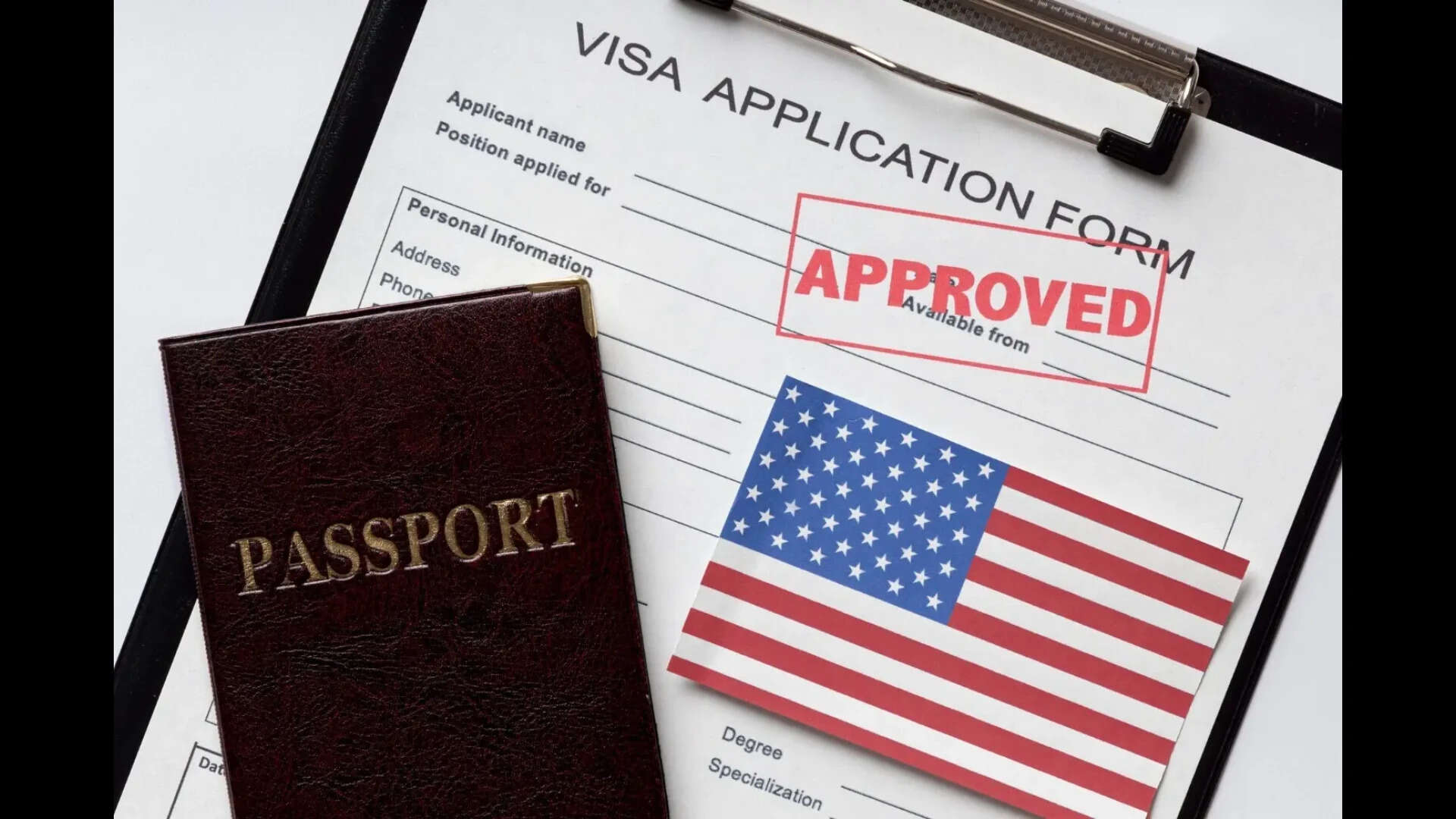
An Indian-origin man living in the United States has shared his long struggle to bring his parents over for a visit. Despite living in the U.S. for many years and following all legal steps, his parents' tourist visa applications were rejected four times. This nine-year journey has left the family feeling frustrated and helpless as they miss out on major life milestones together. The story highlights the ongoing difficulties many legal immigrants face when trying to reunite with their families for short trips.
Main Impact
The repeated visa denials have a deep emotional impact on families separated by long distances. For many Indian professionals working in the U.S., the inability to host their parents for even a few weeks creates a sense of isolation. This specific case has sparked a wider conversation about the strictness of U.S. visa policies and how they affect people who contribute significantly to the American economy. It shows that even with a stable job and legal status, bringing family members for a simple vacation is not guaranteed.
Key Details
What Happened
The individual, who has built a life and career in the United States, recently took to social media to express his sadness. He explained that over the last nine years, he has tried four different times to get a B1/B2 visitor visa for his parents. Each time, the application was turned down by the U.S. consulate in India. The most recent rejection was particularly painful because the family had hoped the rules might be more relaxed after the pandemic. Instead, they faced the same result, leaving them with no clear path forward.
Important Numbers and Facts
The timeline of this struggle spans nearly a decade. During these nine years, the parents missed several key events, including their son’s wedding and the birth of his children. The visa in question is the B1/B2 visa, which is meant for temporary business or tourism. Most rejections for this type of visa fall under Section 214(b) of the Immigration and Nationality Act. This rule assumes that every visitor intends to stay in the U.S. permanently unless they can prove strong ties to their home country.
Background and Context
The U.S. visa process is known for being one of the most difficult in the world. For citizens of India, wait times for visa interviews can sometimes stretch for months or even years. Even when an interview is granted, the decision often rests on a few minutes of conversation with a consular officer. The officer must be convinced that the applicant has a good reason to return to India, such as a job, property, or other family members. If the officer is not satisfied, the visa is denied immediately.
This issue is common among the Indian diaspora. Many high-skilled workers on H-1B visas or those with Green Cards find it hard to bring their elderly parents to visit. While the U.S. government aims to prevent illegal immigration, critics argue that the current system often punishes families who have no intention of breaking the law.
Public or Industry Reaction
The story went viral on social media, where many others shared similar experiences. Some users pointed out that the visa process feels like a "lottery" where the outcome depends more on luck than on the actual facts of the case. Others expressed anger, noting that legal tax-paying residents should have a better way to invite their parents for short visits. There is a growing call for the U.S. State Department to review how it handles visitor visas for the parents of legal residents to make the process more fair and predictable.
What This Means Going Forward
For this family, the future remains uncertain. They may choose to apply a fifth time, but each rejection makes the next attempt harder. The son mentioned that he is considering meeting his parents in a third country, such as the UAE or Europe, just to spend time together. This is a growing trend among immigrant families who cannot get U.S. visas. On a larger scale, this case might put pressure on lawmakers to look at "Parent Visas" or other ways to allow family reunification without the fear of permanent immigration.
Final Take
The dream of moving to a new country often comes with hidden costs, and for many, that cost is being separated from their parents. While immigration laws are necessary for national security, the human element is often lost in the paperwork. This nine-year struggle serves as a reminder that behind every visa statistic is a family missing out on the simple joy of being together. Until the system changes, many will continue to face the heartbreak of empty seats at family celebrations.
Frequently Asked Questions
Why are U.S. visitor visas often denied?
Most denials happen because the officer believes the applicant might not return home. This is known as "immigrant intent." Applicants must prove they have strong ties to their home country, like a house or a job.
What is Section 214(b)?
This is a part of U.S. law that assumes every visitor visa applicant wants to stay in the U.S. permanently. The burden of proof is on the applicant to show that they truly intend to leave after their trip.
Can you appeal a visa rejection?
There is no formal appeal process for a visitor visa denial. However, an applicant can apply again at any time if they have new information or if their situation has changed significantly since the last interview.

