Summary
The United States is sending 3,000 elite soldiers to the Persian Gulf as the conflict between Israel, Iran, and Hezbollah grows more intense. This move comes after Israel announced plans to take control of a large part of southern Lebanon, a move Hezbollah calls a major threat. Despite a short truce announced by President Donald Trump to protect energy sites, Iran reports that its gas facilities have been hit by missiles. These events have caused global oil prices to jump back above $100 per barrel, showing how much the fighting is affecting the world economy.
Main Impact
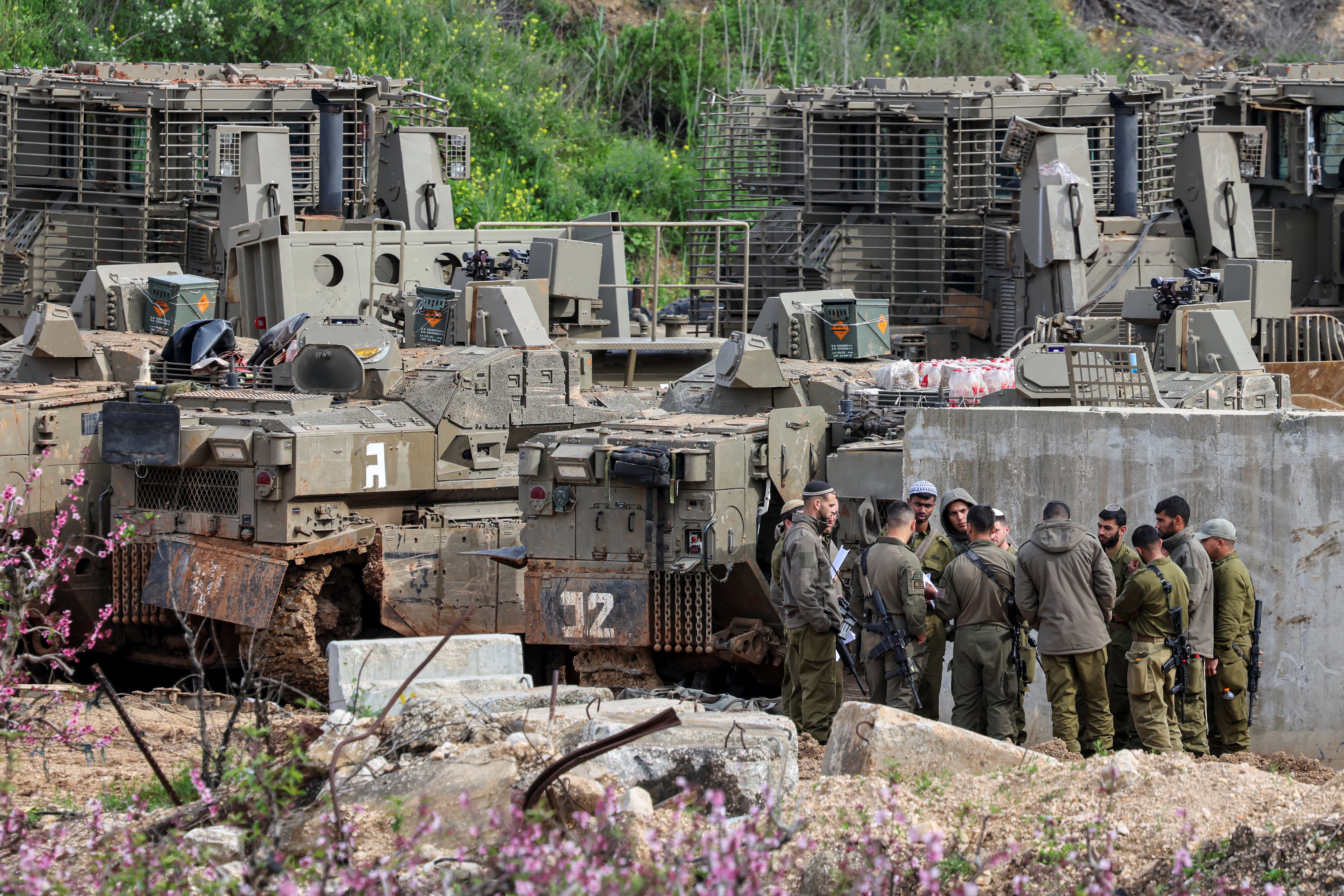
The arrival of the 82nd Airborne Division marks a significant increase in American military presence in the region. These troops are known for being able to deploy anywhere in the world very quickly. Their presence suggests that the United States is preparing for the possibility of a much larger war. At the same time, Israel’s decision to push its military deep into Lebanese territory changes the nature of the ground war. By moving toward the Litani River, Israel is trying to create a permanent buffer zone, which has forced Hezbollah to warn of a fight for its very existence. This escalation is making it harder for any peace talks to succeed.
Key Details
What Happened
In the last 24 hours, the situation has moved rapidly on several fronts. The Israeli military launched new air strikes against targets in Beirut, the capital of Lebanon. In response, Hezbollah and Iranian forces fired rockets and missiles toward Israel. Some of these reached Tel Aviv, where at least six people were treated for minor injuries. While this was happening, the Pentagon confirmed the new troop deployment to the Persian Gulf. Perhaps most importantly, the five-day truce meant to stop attacks on energy plants appears to be failing. Iran claims that two missiles hit a gas pipeline in the city of Khorramshahr and administrative buildings at a gas station in Isfahan.
Important Numbers and Facts
The scale of the conflict can be seen in the following data points:
- 3,000 Soldiers: The number of elite troops from the 82nd Airborne Division being sent to the Gulf.
- 30 Kilometers: The distance from the Israeli border to the Litani River, which Israel now intends to control.
- $100 Per Barrel: The price of Brent crude oil, which rose after news of the continued attacks.
- 5 Days: The length of the temporary truce on energy infrastructure announced by President Trump.
- 6 Injuries: The number of people reported hurt in Tel Aviv following the latest rocket attacks.
Background and Context
The tension in this region has been building for a long time, but the current situation is especially dangerous. The Litani River is a symbolic and strategic line in Lebanon. For years, international agreements have tried to keep armed groups away from this area to prevent war with Israel. By deciding to move its army to this river, Israel is signaling that it no longer trusts international deals to keep its citizens safe. On the other side, Iran and Hezbollah see this as an invasion of sovereign land. The Persian Gulf is also a vital area because a large portion of the world's oil passes through its waters. Any military build-up there usually leads to higher gas prices for people all over the world.
Public or Industry Reaction
Hezbollah has reacted with strong words, stating that they will fight any attempt by Israel to occupy southern Lebanon. They described the Israeli plan as an "existential threat," which means they view it as a fight to the death. Global markets have also reacted quickly. Investors were hopeful when President Trump announced a pause in attacks on oil and gas sites, but that hope faded when the news of the strikes in Isfahan and Khorramshahr broke. The fact that oil prices returned to over $100 shows that the business world is worried about a long-term disruption to energy supplies. Many international observers are concerned that the five-day truce was too fragile to begin with.
What This Means Going Forward
The next few days will be critical for the region. If the 3,000 U.S. troops arrive and the fighting continues, the risk of a direct war between the U.S. and Iran increases. The failure of the energy truce is also a bad sign for future diplomacy. If neither side can agree to stop hitting gas and oil sites for even five days, a permanent ceasefire seems unlikely. Israel’s move toward the Litani River could lead to a long-term occupation, which historically leads to years of guerrilla warfare. People should expect oil prices to remain high and volatile as long as the safety of energy plants in Iran and the Gulf is in doubt.
Final Take
The situation has moved past simple border skirmishes and is now a major international crisis. With elite American paratroopers heading to the region and Israel expanding its ground operations, the window for a peaceful solution is closing. The impact is already being felt at gas stations and in global markets, proving that this conflict is no longer just a local issue.
Frequently Asked Questions
What is the 82nd Airborne Division?
It is an elite wing of the U.S. Army that specializes in parachute assault operations. They are known for being able to respond to crises anywhere in the world within 18 hours.
Why is the Litani River important?
The river sits about 30 kilometers north of the Israel-Lebanon border. Israel wants to control this area to prevent Hezbollah from firing rockets into northern Israeli towns.
Why are oil prices going up?
Prices are rising because the Middle East produces a lot of the world's oil. When there is a war near oil fields or shipping lanes, investors worry that the supply will be cut off, which makes the price go up.