Summary
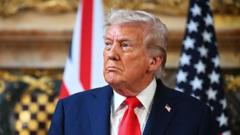
The United States launched new airstrikes against Iran-linked targets, prompting Tehran to threaten blocking additional trade routes in the region. President Donald Trump warned that if Iran does not return to negotiations, the US will strike Iranian bridges and power plants next week. This escalation marks a significant increase in tensions between the two countries, with potential impacts on global trade and regional stability.
Main Impact
The fresh US strikes targeted facilities used by Iranian-backed groups in Syria and Iraq, according to Pentagon officials. In response, Iran's Revolutionary Guard warned it could close the Strait of Hormuz, a critical waterway for oil shipments, and expand its blockade to other routes. This threatens to disrupt global energy supplies and raise oil prices, affecting economies worldwide.
Key Details
What Happened
On Thursday, US warplanes struck multiple sites linked to Iran's Islamic Revolutionary Guard Corps (IRGC) in eastern Syria. The strikes hit weapons storage facilities and command centers. President Trump stated the attacks were a response to recent drone and rocket attacks on US forces in the region. He added that if Iran does not agree to nuclear talks by next week, the US will target its infrastructure, including bridges and power plants.
Important Numbers and Facts
The US military said the strikes destroyed 12 targets. Iran's Foreign Ministry reported that at least 15 people were killed in the attacks. The Strait of Hormuz handles about 20% of the world's oil supply. Iran has previously threatened to block this route during past conflicts. Oil prices jumped 3% on Friday following the news.
Background and Context
Tensions between the US and Iran have been high since the US withdrew from the nuclear deal in 2018. Iran has since increased its uranium enrichment, and the US has imposed heavy sanctions. The current escalation follows months of attacks on US bases in Iraq and Syria by Iranian-backed militias. The US has responded with several rounds of airstrikes, but this is the first time Trump has directly threatened Iranian infrastructure.
Public or Industry Reaction
Oil markets reacted sharply, with analysts warning of potential supply disruptions. The International Energy Agency said it is monitoring the situation closely. In Iran, state media reported protests in several cities against the US strikes. European Union officials called for restraint and urged both sides to return to diplomacy. Shipping companies have begun reviewing their routes through the Persian Gulf.
What This Means Going Forward
The threat to block trade routes could lead to a broader conflict. If Iran follows through, it would likely trigger a military response from the US and its allies to keep the strait open. This could disrupt global oil supplies and push prices higher, affecting consumers and businesses worldwide. Diplomatic efforts remain stalled, with Iran demanding an end to sanctions before any talks. The coming week will be critical as Trump's deadline approaches.
Final Take
The US-Iran standoff has entered a dangerous new phase. Direct threats to infrastructure and trade routes raise the risk of a full-scale war. Both sides show little willingness to back down, leaving the region and global economy on edge. The next few days will determine whether this escalates further or if cooler heads prevail.
Frequently Asked Questions
Why is the Strait of Hormuz important?
The Strait of Hormuz is a narrow waterway between Iran and Oman. About one-fifth of the world's oil passes through it. If Iran blocks it, oil prices could rise sharply, affecting fuel costs everywhere.
What did President Trump threaten to strike?
President Trump said the US would target Iranian bridges and power plants if Iran does not agree to nuclear talks by next week. This would be a major escalation beyond previous strikes on military targets.
What are the chances of a full war?
Experts say the risk is higher than in recent years. Both sides have made strong threats. However, neither country wants a full war. Diplomatic efforts by other nations may still prevent a wider conflict.