
Summary
The United States Navy has increased its presence in the Middle East to monitor and control shipping routes used by Iran. Recently, the USS Michael Murphy diverted a merchant ship in the Gulf of Oman as part of a large-scale operation. This mission involves more than 10,000 personnel and multiple ships working to enforce maritime rules. These actions are meant to maintain security in a region that is vital for the world’s energy supply and global trade.
Main Impact
The primary impact of this naval action is the tightening of control over Iranian maritime movements. By stopping or redirecting merchant ships, the US Navy is making it harder for restricted goods or oil to move through international waters. This creates a high-pressure environment in the Gulf of Oman. It also forces international shipping companies to be more cautious, which can change how goods are moved across the globe and affect the cost of shipping insurance.
Key Details
What Happened
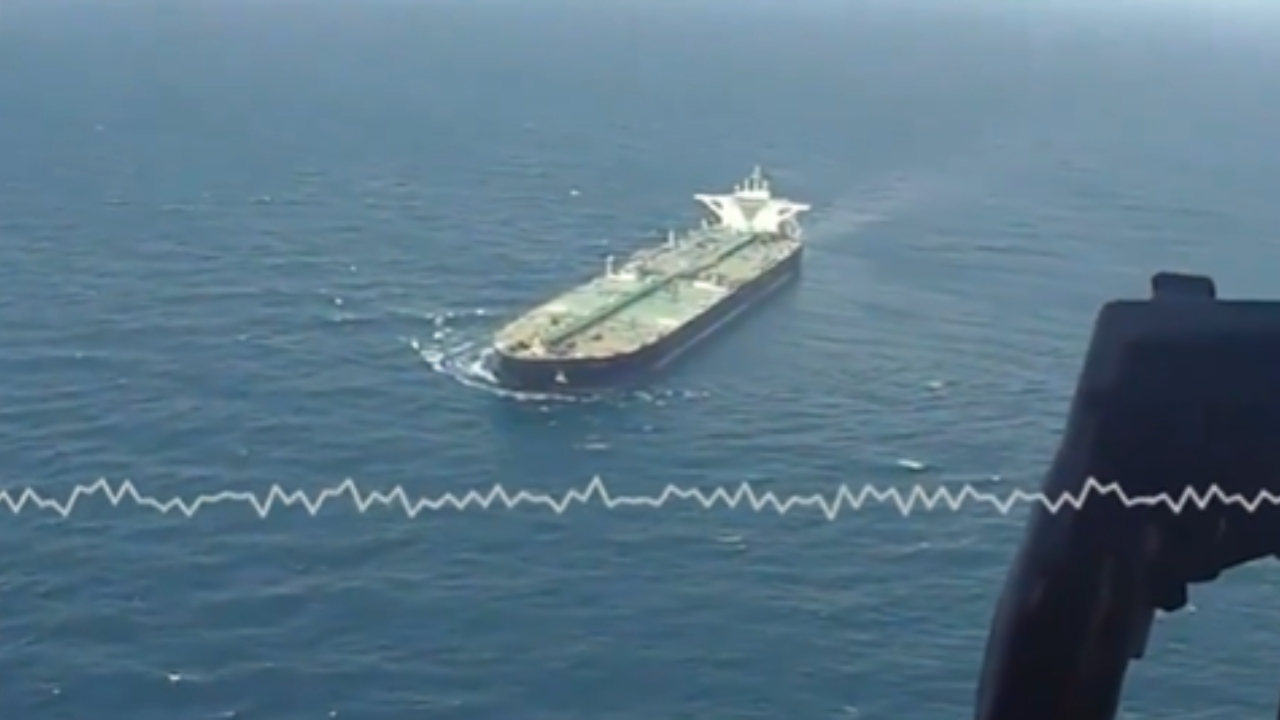
The USS Michael Murphy, a guided-missile destroyer, took the lead in a recent enforcement action. While patrolling the Gulf of Oman, the crew identified a merchant vessel and forced it to change its course. This was not a random stop; it was a planned move to enforce specific maritime restrictions. The Navy uses these tactics to show that they are watching the water closely and will act if they see ships breaking international rules or sanctions.
Important Numbers and Facts
This operation is massive in scale. More than 10,000 Navy personnel are currently assigned to these enforcement efforts in the region. The US is using a variety of naval assets, including destroyers, support ships, and surveillance aircraft. The focus is on the Gulf of Oman and the nearby Strait of Hormuz. These areas are critical because a large portion of the world's oil travels through these narrow paths every single day.
Background and Context
To understand why this is happening, it is important to look at the geography of the region. The Strait of Hormuz is a narrow waterway that connects the Persian Gulf to the rest of the world. It is often called a "chokepoint" because it is so narrow and so important for oil tankers. For a long time, there has been a standoff between the US and Iran. Iran has sometimes threatened to close the strait or has seized foreign ships. The US Navy stays in these waters to make sure trade continues and to stop any illegal activities linked to the Iranian government.
Public or Industry Reaction
The shipping industry is watching these events with concern. While many companies feel safer knowing the US Navy is nearby, others worry that more military action could lead to accidents or a larger conflict. Security experts say that the "deadlock" in the region makes it difficult for cargo ships to plan their trips without fear of delays. Some international leaders have called for a peaceful solution, but for now, the focus remains on military strength to keep the sea lanes open.
What This Means Going Forward
Looking ahead, we can expect the US Navy to continue these patrols for a long time. The use of 10,000 personnel shows that this is not a short-term mission. There is a high risk that tensions will stay high as both sides refuse to back down. In the future, the Navy may use more advanced technology, such as drones and better satellite tracking, to monitor ships from a distance. This will help them spot vessels that are trying to hide their location or change their identity to avoid being stopped.
Final Take
The recent actions by the USS Michael Murphy prove that the US is committed to its role as a maritime police force in the Middle East. While the goal is to keep the peace and protect trade, the heavy military presence shows how fragile the situation is. As long as the disagreement between the US and Iran continues, the Gulf of Oman will remain one of the most watched and guarded stretches of water in the world.
Frequently Asked Questions
Why did the US Navy stop a merchant ship?
The Navy stopped the ship to enforce maritime restrictions and ensure that vessels in the region are following international rules and sanctions related to Iran.
What is the USS Michael Murphy?
The USS Michael Murphy is a powerful US Navy guided-missile destroyer. It is designed to track and intercept other vessels and defend against various threats at sea.
Why is the Gulf of Oman so important?
The Gulf of Oman is a key gateway for the world's oil supply. It connects the Persian Gulf to the Arabian Sea, making it a vital path for tankers carrying energy to countries all over the world.

