Summary
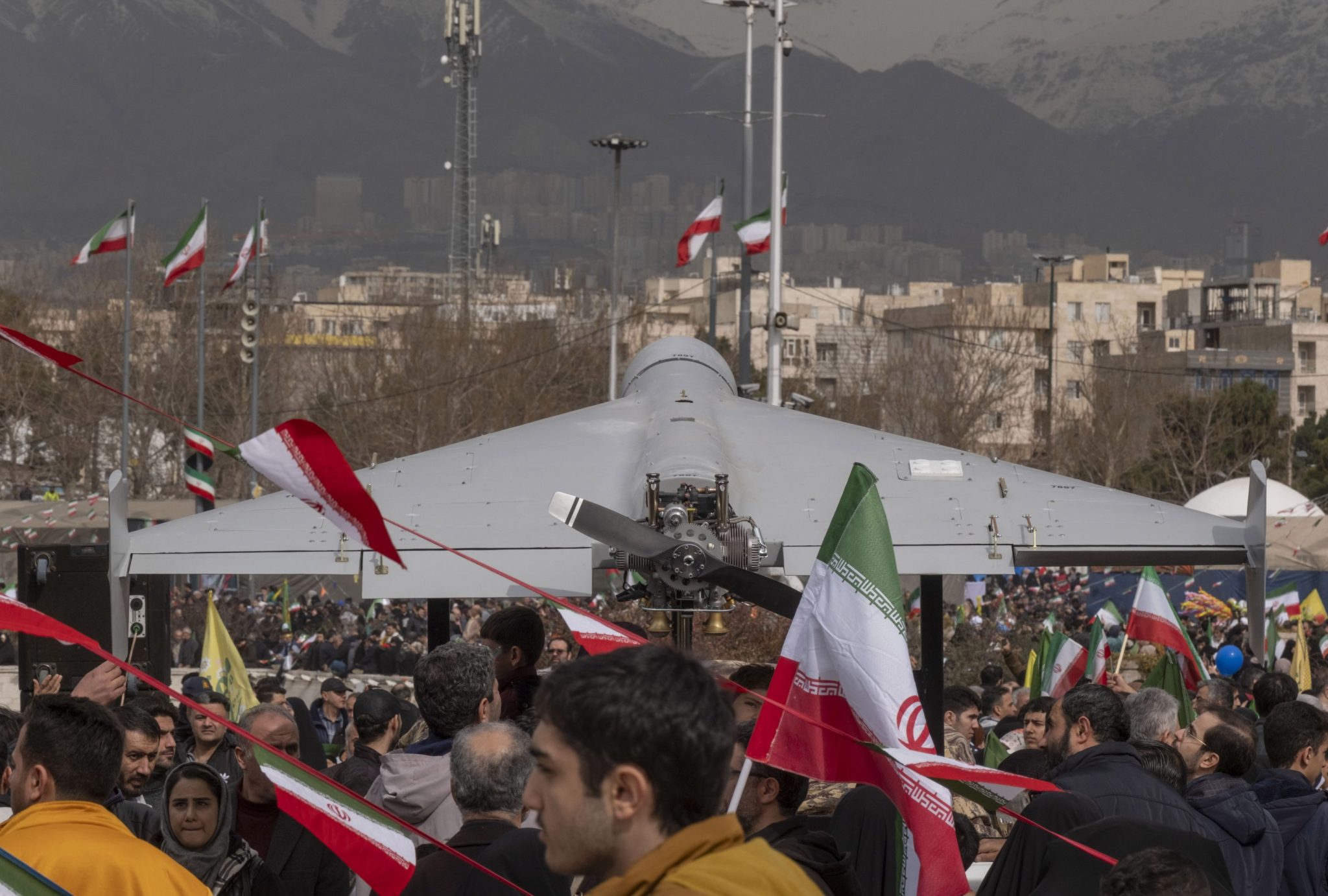
The United States military has started using a new type of low-cost drone in its recent air strikes against Iran. These drones are modeled after the Iranian Shahed drones, which have been used in conflicts across Ukraine and the Middle East. This move marks a major shift for the U.S. military, which usually relies on very expensive, high-tech weapons. By using these "copycat" drones, the U.S. is trying to save its limited supply of costly missiles while still hitting important targets. This change comes as experts warn that the U.S. might not have enough weapons to sustain a long-term war in the region.
Main Impact
The use of these drones shows that the U.S. is changing its strategy to match the reality of modern warfare. For years, Iran and its allies have used cheap, one-way attack drones to cause significant damage at a low price. Now, the U.S. is using that same strategy. This allows the military to carry out many strikes without spending millions of dollars on every single flight. It also sends a strong message to Iran by using their own technology against them. However, the shift also highlights a growing problem: the U.S. is worried about running out of its most advanced missiles if the fighting continues for a long time.
Key Details
What Happened
During a mission called Operation Epic Fury, a special U.S. military group named Task Force Scorpion Strike launched the drones for the first time in combat. These drones are called the LUCAS. They are designed to fly to a target and explode on impact, which is why they are called "one-way" drones. The U.S. Central Command confirmed that this is the first time in history they have used this specific type of low-cost weapon in a real battle. The drones were developed by a company in Arizona and were tested late last year before being sent into the field.
Important Numbers and Facts
The cost difference between these drones and traditional weapons is huge. One LUCAS drone costs about $35,000. In comparison, the advanced missiles the U.S. usually uses can cost millions of dollars each. For example, a single Tomahawk cruise missile costs around $2 million. By using the LUCAS, the military can launch dozens of attacks for the price of one traditional missile. The Task Force Scorpion Strike was created in December after Defense Secretary Pete Hegseth called for the military to get cheaper, self-flying weapons ready for use as quickly as possible.
Background and Context
The U.S. military has traditionally focused on building the most advanced and expensive technology in the world. While these weapons are very powerful, they are hard to replace quickly. The factories that make them can only produce a certain number each year. In recent conflicts, such as the fight against Houthi rebels in Yemen, the U.S. has used many of its top-tier missiles. This has led to concerns that the "stockpile"—the collection of weapons kept in storage—is getting too low. If a major war breaks out, the U.S. might find itself without enough missiles to defend its allies or attack its enemies effectively.
Public or Industry Reaction
Military experts and former officials are expressing concern about the current situation. Mark Esper, who served as the Secretary of Defense in the past, recently said that the U.S. is not fully prepared for a long war with Iran. He pointed out that the country does not have enough factories or supplies to keep up with the demand for key weapons like the Patriot missile system. Retired Admiral James Stavridis also noted that the U.S. and Israel have already used hundreds of precision weapons. He argued that the military needs to focus more on "logistics," which is the business of moving and supplying weapons, rather than just the technology itself.
What This Means Going Forward
The conflict with Iran could last for a long time. President Donald Trump has indicated that the military will continue its operations until its goals are met. If the war drags on, the U.S. will likely rely even more on cheap drones like the LUCAS. This will help keep costs down and preserve the more expensive missiles for the most dangerous threats. However, the U.S. will also need to find ways to build more weapons faster. The current "industrial base"—the network of companies that build military gear—is under a lot of pressure to increase production to ensure the military does not run out of supplies.
Final Take
The introduction of the LUCAS drone is a practical step for a military facing a long and expensive conflict. It shows that being effective in war is not always about having the most expensive tool, but about having the right tool for the job. As the U.S. continues its operations, the balance between high-tech power and low-cost efficiency will be the key to its success in the region.
Frequently Asked Questions
What is a LUCAS drone?
The LUCAS is a low-cost, one-way attack drone used by the U.S. military. It is designed to be cheap to build and is modeled after the Iranian Shahed drones.
Why is the U.S. using cheap drones instead of missiles?
Missiles are very expensive and the U.S. has a limited supply. Using $35,000 drones instead of $2 million missiles helps save money and preserves the stockpile of advanced weapons for bigger threats.
Is the U.S. running out of weapons?
While the exact numbers are secret, experts warn that the U.S. might not have enough missiles to sustain a long-term war. The military is working to increase production and find cheaper alternatives to stay prepared.