
Summary
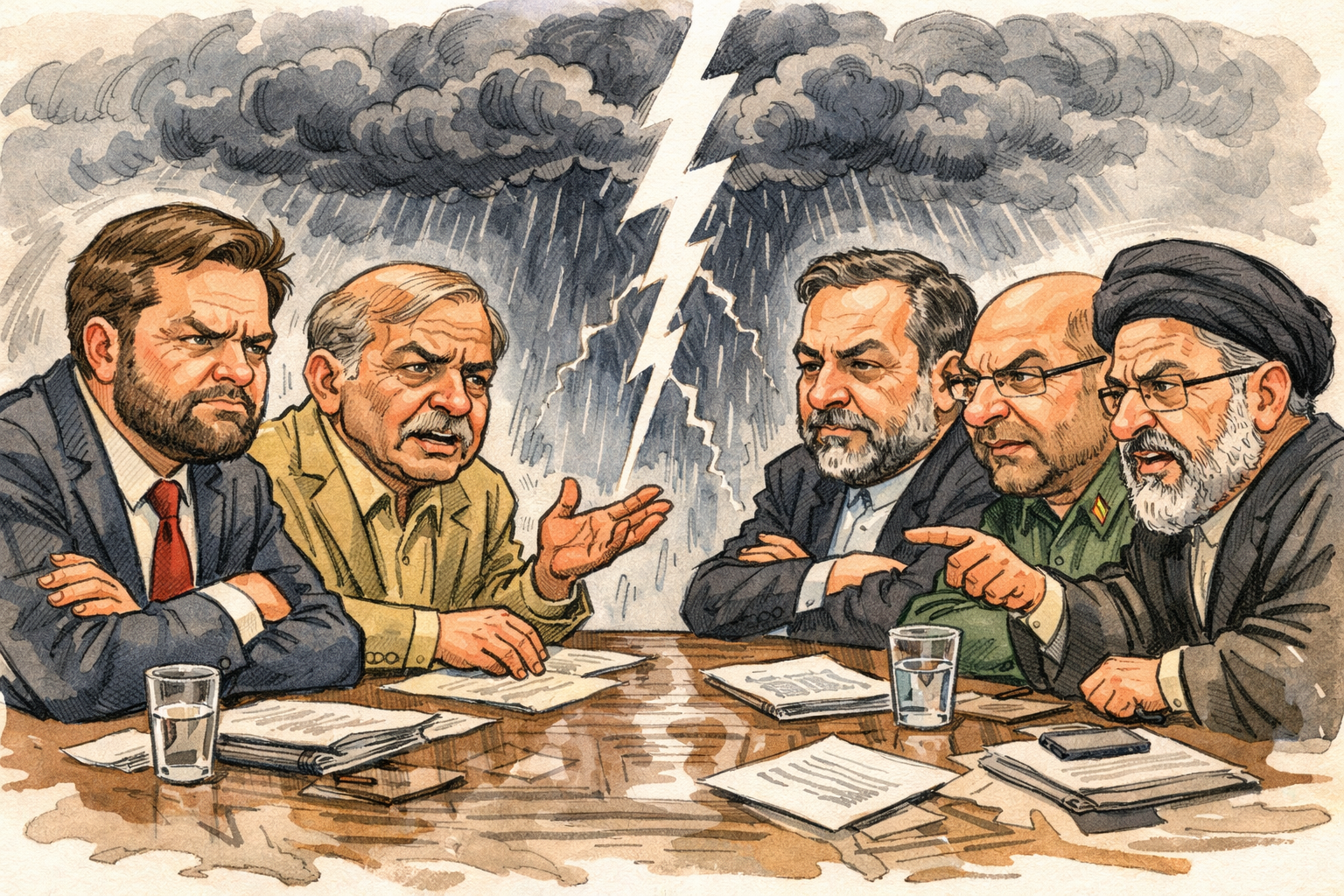
Recent high-level talks between the United States and Iran held in Islamabad, Pakistan, have ended without a breakthrough. The discussions lasted for 21 hours as officials tried to find common ground on nuclear activity and economic penalties. Despite the long meeting, the two nations remain far apart on several key issues, including how to handle Iran’s nuclear program and the release of frozen money. While both sides suggest they might talk again in the future, no immediate deal was reached to lower the tension between the two countries.
Main Impact
The failure to reach an agreement in Pakistan means that the current state of high tension in the Middle East will likely continue. For the global community, this means that the risk of conflict remains a concern and oil markets may stay volatile. Without a deal, Iran will likely continue its nuclear activities at current levels, and the United States will keep its strict economic sanctions in place. This stalemate affects not only the two countries involved but also the stability of international trade routes and regional security.
Key Details
What Happened
Diplomats from Washington and Tehran met in the Pakistani capital for nearly a full day of intense negotiations. The goal was to restart the process of limiting Iran's nuclear capabilities in exchange for lifting economic bans that have hurt Iran's economy. However, the talks hit a wall when neither side was willing to make the first big move. The meeting ended with a pause rather than a finished agreement, leaving the door open for future contact but showing how difficult the situation has become.
Important Numbers and Facts
The negotiations lasted for a total of 21 hours over the course of the meeting. Key points of disagreement involved the level of uranium enrichment, which is the process used to create nuclear fuel. Currently, Iran has been increasing its enrichment levels, which worries the U.S. and its allies. Another major factor is the billions of dollars in Iranian assets that are currently frozen in foreign banks due to U.S. sanctions. Iran wants this money released immediately, while the U.S. wants to see proof of nuclear limits first.
Background and Context
The relationship between the U.S. and Iran has been difficult for decades, but the current problems stem largely from the 2015 nuclear deal. That agreement was meant to stop Iran from building a nuclear weapon in exchange for better trade and economic growth. In 2018, the U.S. left the deal, and since then, both sides have struggled to find a new way forward. Iran has since moved closer to having the materials needed for a weapon, while the U.S. has used economic pressure to try and force Iran back to the table. These talks in Pakistan were the latest attempt to fix a broken diplomatic process.
5 Reasons Why Negotiations Failed
There are five main reasons why these 21 hours of talks did not result in a deal:
- Nuclear Enrichment Levels: The U.S. demands that Iran stop making highly enriched uranium. Iran argues it has the right to this technology for peaceful energy and medical use.
- The Timing of Sanctions Relief: Iran wants the U.S. to lift all economic sanctions before it stops its nuclear work. The U.S. insists that Iran must show it is following the rules before any sanctions are removed.
- Frozen Assets: Iran is demanding the return of billions of dollars held in international accounts. The U.S. is using this money as a bargaining chip, refusing to release it without major concessions.
- Maritime Security: Recent incidents involving ships in the Red Sea and the Persian Gulf have created a lack of trust. The U.S. wants Iran to ensure safe passage for trade ships, while Iran blames the U.S. military presence for the trouble.
- Regional Influence: The two countries disagree on the roles of various groups in the Middle East. The U.S. wants Iran to stop supporting certain armed groups, but Iran sees these groups as necessary for its own national security.
Public or Industry Reaction
Political experts say the lack of a deal was expected but is still disappointing. Many regional neighbors, such as Saudi Arabia and the United Arab Emirates, are watching the situation closely because any conflict would directly affect their safety and economies. In the business world, energy analysts are concerned that continued tension could lead to higher fuel prices if shipping routes are threatened. Human rights groups also point out that the continued sanctions are making life very hard for regular people in Iran who struggle to buy medicine and food.
What This Means Going Forward
Since the talks have paused, both countries will likely go back to their leaders to discuss what to do next. We can expect more "back-channel" communication, which means talking through third parties like Pakistan or Oman. The U.S. may look for ways to increase pressure without starting a war, while Iran might continue to push its nuclear limits to show it will not back down. The next few months will be critical to see if a new round of talks can be scheduled or if the situation will get worse.
Final Take
Diplomacy between the U.S. and Iran is a slow and difficult process. While 21 hours of talking shows that both sides are still willing to meet, the deep lack of trust makes a quick fix almost impossible. Both nations are stuck in a cycle where neither wants to look weak, and until one side is willing to take a significant risk for peace, the stalemate will continue to shape the politics of the Middle East.
Frequently Asked Questions
Why were the talks held in Pakistan?
Pakistan often acts as a middleman because it has diplomatic ties with both the United States and Iran, making it a neutral place for them to meet and discuss sensitive issues.
What is uranium enrichment?
It is a process that makes uranium more powerful. Low-level enrichment is used for nuclear power plants, but high-level enrichment can be used to create a nuclear bomb.
What are economic sanctions?
Sanctions are rules that stop countries or companies from trading with a specific nation. The U.S. uses them to hurt Iran's economy and pressure its government to change its policies.

