
Summary
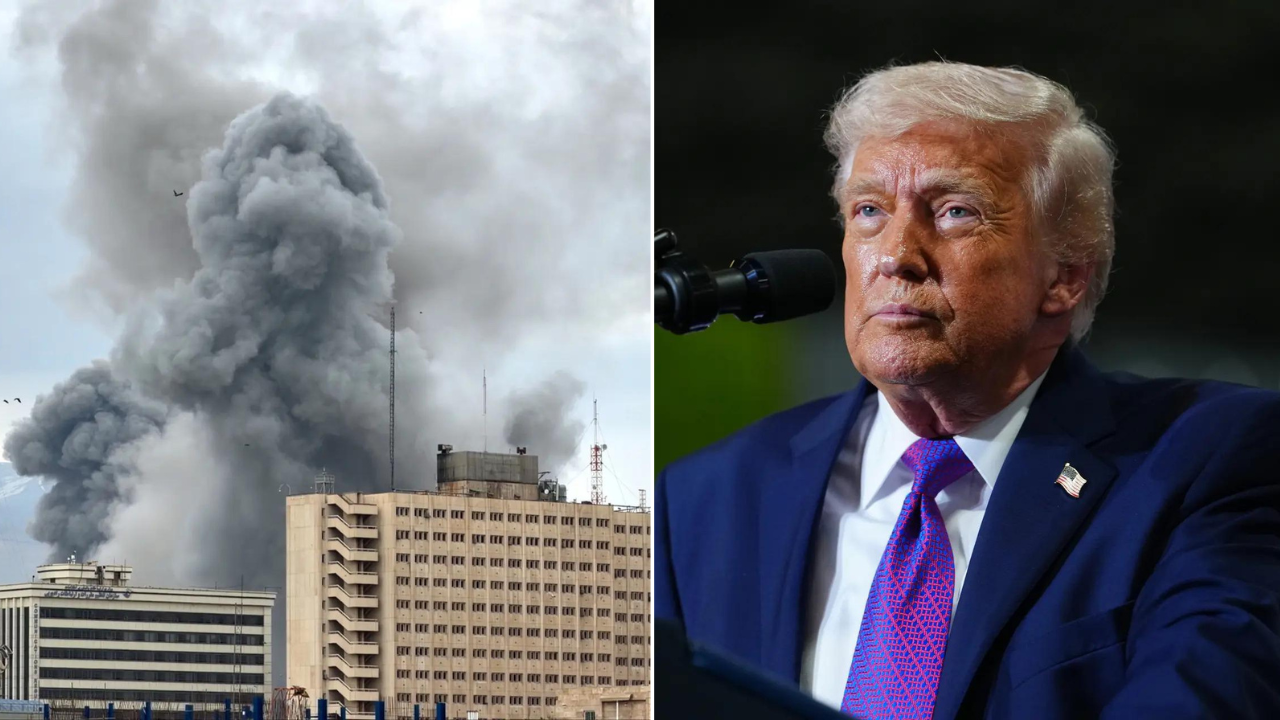
Iran and the United States are currently discussing a possible agreement to lower the rising heat in the Middle East. Iran has put forward several tough demands, including the closing of American military bases in the Gulf and payment for past damages. In response, the United States has sent a detailed 15-point proposal through Pakistan to find a way to stop the fighting. This potential deal could lead to a short-term ceasefire and a change in how sanctions are handled.
Main Impact
The most immediate effect of these talks is the chance to prevent a much larger war. If both nations agree to even a temporary pause, it could stabilize the region and protect global energy supplies. However, the demands made by Iran are very high and could change the balance of power in the Middle East. Removing U.S. bases would be a massive shift in how the region is guarded, which makes the negotiations very difficult for both sides to finish.
Key Details
What Happened
As tensions between Iran and the U.S. reached a dangerous level, secret talks began to take place. Iran has made it clear that they want the U.S. military to leave the Gulf region entirely. They are also asking for "reparations," which is money paid to make up for damage caused by previous military actions or economic rules. The U.S. is using Pakistan as a middleman to pass messages because the two countries do not talk directly to each other very often.
Important Numbers and Facts
The U.S. proposal is built around a 15-point plan. One of the main parts of this plan is a suggested one-month ceasefire. During these 30 days, both sides would stop attacking each other to see if a longer peace is possible. The U.S. is also offering "sanctions relief," which means they would allow Iran to trade more freely and access money that is currently locked in foreign banks. In exchange, the U.S. wants Iran to stop or limit its work on nuclear weapons and long-range missiles.
Background and Context
The relationship between the U.S. and Iran has been bad for many years. The U.S. has many military bases in countries near Iran, such as Qatar, Bahrain, and the United Arab Emirates. These bases are there to protect oil ships and support U.S. allies. Iran sees these bases as a threat to its own safety. At the same time, the U.S. is worried that Iran is trying to build a nuclear bomb, which Iran denies. To stop this, the U.S. has put many "sanctions" on Iran. Sanctions are rules that stop other countries from buying things from Iran, like oil, which makes Iran's economy very weak.
Pakistan is playing a very important role in these talks. Since the U.S. and Iran do not have normal diplomatic ties, they need a third country to carry letters and messages back and forth. Pakistan has done this before and is trying to help both sides reach an agreement to avoid a war that would hurt the whole neighborhood.
Public or Industry Reaction
Leaders in the Middle East are watching these talks very closely. Countries that host U.S. bases are worried about what would happen if the U.S. actually left. They rely on the U.S. military for their own protection. On the other hand, oil markets have shown some signs of hope. If a deal is reached, the price of oil might go down because there would be less fear of a war blocking the sea routes where oil is moved. Experts say that while a deal is possible, the demands from Iran might be too much for the U.S. government to accept right now.
What This Means Going Forward
The next few weeks will be very important. If Iran accepts the 15-point plan, we could see a one-month period of peace. This would give diplomats time to talk about bigger issues, like the nuclear program and the future of U.S. troops in the region. If the talks fail, the risk of a direct fight between the two countries will go up. The U.S. is unlikely to close all its bases quickly, so they will have to find a middle ground that makes Iran feel safe without leaving the region completely unprotected.
Final Take
This situation shows how hard it is to find peace when two sides do not trust each other. The 15-point plan is a good start, but the road to a real truce is full of challenges. Both countries want to avoid a big war, but neither wants to look weak. The world is waiting to see if these secret messages will lead to a quiet month or if the conflict will continue to grow.
Frequently Asked Questions
What is Iran demanding from the United States?
Iran wants the U.S. to close its military bases in the Gulf region and pay money for damages caused by past attacks and economic sanctions.
What is the 15-point plan offered by the U.S.?
It is a proposal sent through Pakistan that suggests a one-month ceasefire and easing of economic sanctions if Iran limits its nuclear and missile programs.
Why is Pakistan involved in these talks?
Pakistan is acting as a middleman because the U.S. and Iran do not have a formal way to talk to each other directly. They help pass messages to keep the peace process moving.

