Summary
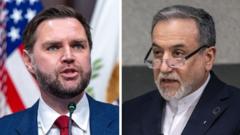
The United States and Iran are set to begin a new round of peace talks this Saturday in Pakistan. This meeting marks a significant attempt to fix the long-standing tension between the two nations. Both sides hope to find common ground on issues that have caused global concern for decades. If these talks succeed, they could lead to a more stable Middle East and a change in how the world handles energy and security.
Main Impact
The primary impact of these talks is the potential for a major shift in global politics. For years, the disagreement between Washington and Tehran has affected oil prices, shipping safety, and regional wars. A successful outcome could lower the risk of a direct military conflict. It also offers a chance to bring Iran back into the global economy, which would change trade patterns across the globe. However, the pressure is high because failing to reach an agreement could lead to even stricter sanctions or increased military readiness in the region.
Key Details
What Happened
Diplomats from both the United States and Iran have agreed to meet on neutral ground in Pakistan. This location was chosen to provide a fair space for both parties to speak openly. The talks come after months of quiet messages sent through other countries. The goal of this Saturday's meeting is to set a path for a formal agreement that addresses nuclear energy, trade, and regional safety.
Important Numbers and Facts
The scale of the issues is clear when looking at the data. Iran has been enriching uranium to 60% purity, which is very close to what is needed for a weapon. On the other side, the United States has frozen over $100 billion in Iranian assets held in foreign banks. Additionally, trade between the two countries has dropped to nearly zero over the last several years due to strict bans. These talks will focus on how to reverse these trends while ensuring both sides feel safe.
The Five Big Sticking Points
While both sides are meeting, five major problems stand in the way of a final deal. These are the "sticking points" that have stopped previous attempts at peace.
1. Nuclear Enrichment Levels
The United States wants Iran to stop making high-grade uranium. Washington fears that Iran is getting too close to building a nuclear bomb. Iran maintains that its nuclear program is only for making electricity and helping with medical research. Finding a level of enrichment that satisfies both sides is the biggest hurdle.
2. The Removal of Sanctions
Iran is asking for all economic sanctions to be removed immediately. These sanctions have made it hard for the country to sell oil and buy medicine or food. The United States, however, wants to remove the sanctions slowly. Washington wants to see Iran follow the rules for several months before giving them full access to the global market.
3. Regional Influence and Proxy Groups
The US is concerned about Iran’s support for various groups in countries like Yemen, Lebanon, and Iraq. Washington sees these groups as a threat to its allies. Iran argues that it has a right to support its friends in the region and that the US military should not be present in the Middle East at all.
4. Ballistic Missile Development
Beyond nuclear power, the US is worried about Iran’s long-range missiles. These missiles can travel far enough to hit many different countries. The US wants these missiles included in the peace deal. Iran has stated that its missile program is for defense only and should not be part of the nuclear talks.
5. Prisoner Exchanges
There are citizens from both countries being held in prisons. The US wants its citizens released as a sign of good faith. Iran also wants its citizens who are held in the US or by US allies to be sent home. This is a very emotional issue that often gets in the way of the larger political goals.
Background and Context
The tension between the US and Iran is not new. It started over forty years ago during the 1979 revolution. Since then, the two countries have rarely spoken directly. In 2015, they signed a major deal to limit Iran's nuclear work in exchange for trade. However, the US left that deal in 2018, and since then, the situation has become much worse. These new talks in Pakistan are the first real chance in years to fix the damage caused by that split.
Public or Industry Reaction
The global community is watching these talks with a mix of hope and doubt. Oil companies are hopeful because a deal could mean more Iranian oil on the market, which usually makes prices go down. Many leaders in Europe and Asia have praised the decision to meet, calling it a "victory for diplomacy." However, some politicians in both the US and Iran are against the talks. They believe the other side cannot be trusted and that any deal will be a mistake.
What This Means Going Forward
If the meeting on Saturday goes well, it will lead to more rounds of talks over the next few months. We should not expect a final deal right away. The next steps will likely involve small "confidence-building" measures. For example, Iran might stop some enrichment, and the US might allow Iran to buy certain medicines. The biggest risk is that one small mistake or a violent event in the Middle East could cause the talks to stop entirely. Both leaders will have to work hard to keep their own governments in line while they negotiate.
Final Take
The meeting in Pakistan is a high-stakes moment for the world. While the five sticking points are difficult to solve, the fact that both sides are sitting at the same table is a positive sign. Peace is a slow process, and this Saturday is just the beginning of a very long road. Success will require both sides to give up something they want in order to gain the safety they need. Without a compromise, the cycle of sanctions and threats will likely continue for many more years.
Frequently Asked Questions
Why are the talks happening in Pakistan?
Pakistan is a neutral country that has good relations with both the United States and Iran. It provides a safe and fair place for both sides to meet without feeling like they are on "enemy" ground.
What happens if the talks fail?
If the talks fail, the US will likely increase economic sanctions, making it even harder for Iran to trade. Iran might respond by increasing its nuclear activity, which could lead to a higher risk of war in the region.
Will gas prices go down because of these talks?
If a deal is reached and Iran is allowed to sell its oil to the world again, the supply of oil will increase. Usually, when there is more oil available, the price of gasoline for regular drivers goes down.