
Summary
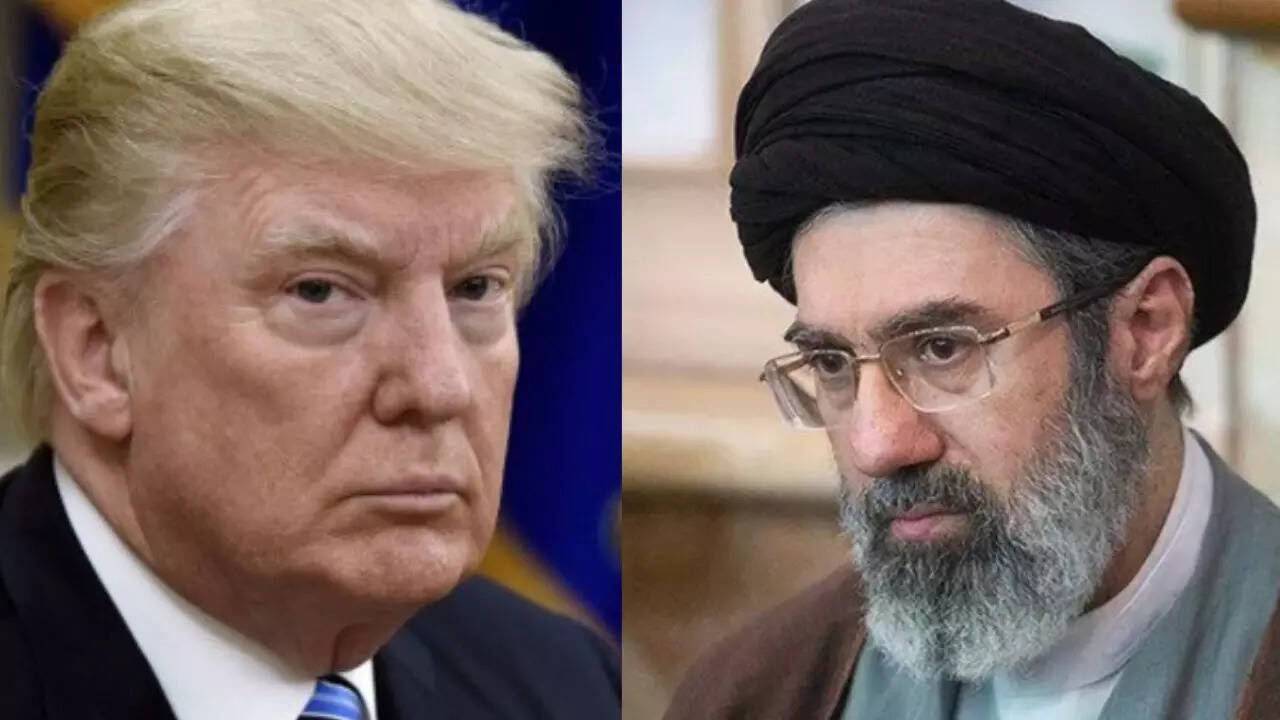
The United States government has introduced a new 15-point proposal aimed at ending the current military conflict with Iran. This war, which broke out on February 28, 2026, has already led to a high number of deaths and caused major problems for the global economy. While the U.S. is pushing this plan as a way to reach a ceasefire, the Iranian government has publicly denied that any official talks are happening. The situation remains tense as both nations struggle to find common ground while the fighting continues.
Main Impact
The most immediate impact of this conflict is the loss of life and the damage to global trade. Since the war began less than a month ago, energy markets have seen massive price swings, affecting how much people pay for fuel and goods around the world. If the 15-point plan is accepted, it could bring an immediate stop to the violence and help stabilize these markets. However, the refusal of Iran to acknowledge the negotiations suggests that a quick peace may be difficult to achieve. This disagreement keeps the threat of a larger regional war very high.
Key Details
What Happened
On February 28, 2026, long-standing tensions between the United States and Iran turned into an open military conflict. After weeks of heavy fighting, the U.S. administration, led by President Trump, presented a structured 15-point plan to bring the war to an end. The proposal focuses on stopping the violence first and then moving toward a long-term political solution. Despite the U.S. announcing this plan, Iranian officials in Tehran have stated that they are not participating in formal discussions with American representatives at this time.
Important Numbers and Facts
The war has been active for nearly four weeks. During this time, military experts report heavy casualties on both sides, though exact numbers are still being verified. The 15-point plan includes several major requirements. One of the primary goals is an immediate ceasefire. Iran has responded by listing its own set of demands. These include the recognition of its national rights, payment for damages caused during the war (reparations), and firm security guarantees. Additionally, Iran is demanding that economic sanctions be lifted before they agree to any permanent peace deal.
Background and Context
To understand why this is happening, it is important to look at the history between these two countries. For many years, the U.S. and Iran have disagreed over nuclear energy, regional influence, and economic sanctions. These disagreements have often led to small clashes, but the events of February 28 marked a major change into full-scale war. This region is vital because it produces a large portion of the world's oil. Any war here makes it harder and more expensive to move oil to other countries, which is why the global community is so concerned about the current situation.
Public or Industry Reaction
The reaction to the 15-point plan has been mixed. Many world leaders have expressed hope that a diplomatic solution can be found quickly to prevent more deaths. In the business world, oil companies and shipping firms are watching the news closely. Stock markets have shown signs of worry because of the uncertainty. Some political experts are skeptical of the plan, noting that as long as Iran denies that talks are happening, the 15 points are just ideas on paper rather than a working agreement. Human rights groups are also calling for an immediate pause in fighting to allow food and medicine to reach civilians caught in the crossfire.
What This Means Going Forward
The next few days will be very important for the future of this conflict. If the U.S. can convince Iran to come to the table and discuss the 15 points, there is a chance the war could end soon. However, if Iran continues to demand reparations and the removal of sanctions as a starting point, the fighting may go on for much longer. The U.S. must decide if it is willing to meet Iran's conditions, while Iran must decide if the cost of the war is worth the refusal to negotiate. There is also the risk that other countries could get involved, which would make the situation even more dangerous for the entire world.
Final Take
The 15-point plan represents a serious attempt to move from the battlefield back to the meeting room. While the path to peace is filled with obstacles, the high cost of the war in both lives and money makes a diplomatic solution necessary. The world is waiting to see if these 15 points will lead to a ceasefire or if they will be remembered as a failed attempt at peace during a growing crisis.
Frequently Asked Questions
When did the war between the U.S. and Iran start?
The military conflict officially began on February 28, 2026, following a long period of high tension between the two nations.
What does Iran want before they agree to peace?
Iran has asked for several things, including the recognition of its rights, money to pay for war damages (reparations), security guarantees, and the removal of economic sanctions.
Is there a ceasefire in place right now?
No, there is currently no ceasefire. While the U.S. has proposed a 15-point plan that includes a ceasefire, Iran has denied that formal talks are even taking place.

