Summary
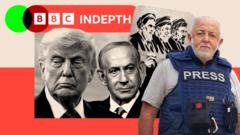
The conflict between the United States and Iran has reached its one-month mark, and the results are not looking good for the White House. President Donald Trump has chosen to lead this war based on his personal feelings and "gut instinct" rather than traditional military strategy. According to veteran journalists and experts, this approach is failing to produce a clear victory or a path toward peace. As the fighting continues, many are questioning if a war can be won without a structured plan.
Main Impact
The primary impact of this instinct-driven war is a lack of clear direction. In traditional warfare, leaders follow a set of goals and listen to advice from experienced generals. However, the current administration has moved away from this path. This has created a situation where the military is reacting to events as they happen instead of staying ahead of them. The lack of a solid strategy has made it difficult for the U.S. to gain any real advantage in the region.
Key Details
What Happened
Over the last thirty days, the situation in Iran has moved from small skirmishes to a full-scale conflict. President Trump has made several major decisions without consulting his top military advisors. He has often changed his mind quickly, which has caused confusion among the troops on the ground. This "instinct-based" leadership means that the U.S. is often making moves based on the news of the day rather than a long-term vision for the Middle East.
Important Numbers and Facts
The conflict has now lasted for 30 days with no sign of stopping. Reports show that the cost of the war is rising daily, both in terms of money and resources. Oil prices have fluctuated wildly as shipping lanes near Iran become more dangerous. Additionally, several international allies have expressed concern because they do not know what the U.S. will do next. Without a written plan, these allies are hesitant to offer full support, leaving the U.S. to handle much of the burden alone.
Background and Context
To understand why this matters, we have to look at how wars are usually fought. Most leaders rely on intelligence reports, historical data, and the advice of experts who have studied the region for decades. Iran is a large country with a complex government and a strong military. Fighting a war there requires a deep understanding of the local culture and geography. By relying only on instinct, the President is ignoring the lessons learned from past conflicts in the Middle East, such as those in Iraq and Afghanistan.
Public or Industry Reaction
Military experts and political analysts have been vocal about their concerns. Many retired generals have pointed out that "gut feelings" are not a substitute for a real strategy. They argue that while instinct can be helpful in business, it is dangerous in a war where lives are at stake. International leaders, especially those in Europe, have called for more transparency. They want to see a clear list of goals so they can decide how to help. Meanwhile, the public is becoming more worried as the conflict drags on without a clear end in sight.
What This Means Going Forward
If the U.S. continues to fight based on instinct, the risks will only grow. There is a high chance that the conflict could spread to neighboring countries, making the entire region unstable. Without a change in strategy, the U.S. might find itself stuck in a long war that it cannot easily win. The next few weeks will be critical. If the administration does not start listening to its military experts, the situation could get much worse. There is also the risk of losing the trust of the American people if the reasons for the war remain unclear.
Final Take
Leading a country through a war requires more than just a strong personality or quick reactions. It requires a careful plan that considers all possible outcomes. The first month of the Iran conflict has shown that relying on instinct alone is a recipe for trouble. For the U.S. to succeed, it must return to a more traditional way of making decisions. Success in modern warfare depends on intelligence, cooperation with allies, and a clear set of goals that everyone understands.
Frequently Asked Questions
Why is the President using instinct instead of a plan?
President Trump has often said that he trusts his own judgment more than the advice of experts. He believes that being unpredictable gives him an advantage over his enemies, even if it goes against traditional military rules.
How has Iran responded to this approach?
Iran has taken advantage of the confusion. Because the U.S. strategy is not clear, Iran has been able to move its forces and use its own tactics to counter American moves, making the conflict harder to resolve.
What do military experts say about this style of leadership?
Most experts believe that this style is very risky. They argue that war is too complicated to be managed by one person's feelings and that a lack of a clear plan leads to unnecessary mistakes and higher costs.