
Summary
The long-running dispute between the United States and Iran has moved into a new and dangerous phase. Experts are now calling this a "Cold War" because both sides are using economic pressure and naval power rather than direct, full-scale fighting. This standoff is causing energy prices to stay high and is creating a lot of uncertainty for the rest of the world. While the situation is currently a stalemate, there are growing fears that it could turn into a much larger war if negotiations do not happen soon.
Main Impact
The primary impact of this standoff is being felt in the global economy. Because Iran is located near some of the most important shipping routes for oil, any tension in that area makes the energy market nervous. This has led to higher prices for fuel and electricity in many countries. Additionally, the use of financial sanctions means that Iran is finding it harder to trade with the rest of the world, which puts more pressure on their government but also creates risks for international business stability.
Key Details
What Happened
The conflict has shifted from verbal threats to physical actions at sea and in the banking system. The United States has been using its navy to perform what are called "interdictions." This means they are stopping or monitoring ships to ensure that trade rules are being followed and that Iran is not moving banned materials. At the same time, the US has tightened financial rules to stop money from flowing into Iran. In response, Iran has continued its nuclear activities, leading to a tense situation where neither side wants to back down.
Important Numbers and Facts
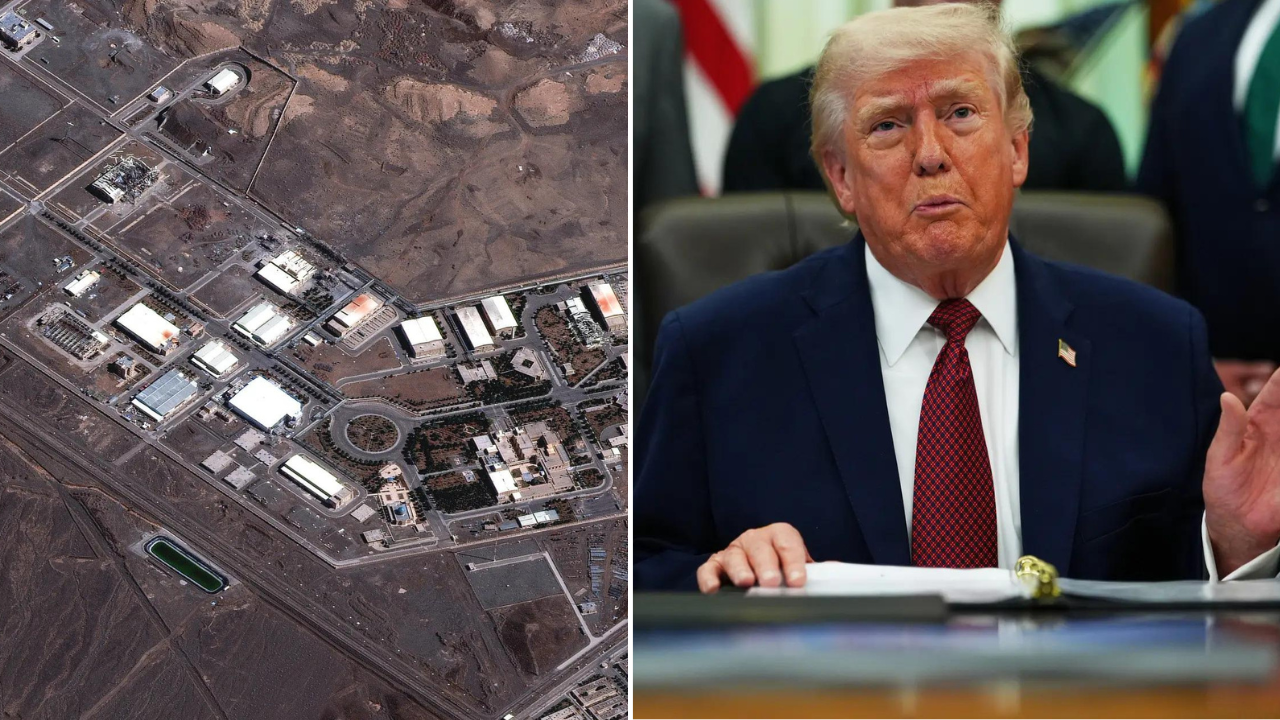
Energy prices have seen a steady increase as the risk of conflict grows. Reports suggest that President Trump is currently looking at two main options: increasing the current sanctions even further or using targeted military strikes. The goal of these actions is to force Iran back to the table to talk about its nuclear program. Iran has consistently denied that it wants to build a nuclear bomb, but the US and its allies remain unconvinced. The current date of April 28, 2026, marks a point where many believe the window for a peaceful solution is getting smaller.
Background and Context
To understand why this is happening, it is important to look at the history of the nuclear program. For many years, the US and other world powers have worried that Iran is trying to create nuclear weapons. A deal was made in 2015 to limit Iran's nuclear work in exchange for lifting sanctions, but that deal fell apart years ago. Since then, the relationship has been getting worse. The term "Cold War" is used here because it describes a state of extreme tension where two countries try to hurt each other's interests without actually starting a direct war. However, unlike the original Cold War, this one involves the constant threat of oil supplies being cut off, which affects everyone.
Public or Industry Reaction
The shipping and energy industries are the most concerned about this situation. Companies that move goods through the Middle East are having to pay more for insurance because of the risk of ships being stopped or attacked. World leaders have expressed a mix of opinions. Some believe that strong pressure is the only way to stop Iran from getting a nuclear weapon. Others worry that if the US uses military strikes, it could start a massive war that involves many other countries in the region. People who follow the stock market are also watching closely, as any sudden change in the conflict can cause prices to drop quickly.
What This Means Going Forward
The next few months will be critical for deciding if this stays a "Cold War" or becomes a "Hot War." If the sanctions work as intended, Iran might agree to new talks to fix its economy. However, if Iran feels too much pressure, it might take more aggressive actions at sea or speed up its nuclear work even more. President Trump’s decision on whether to use military force will be a major turning point. If strikes occur, the chance of a peaceful talk will likely disappear for a long time. For regular people, this means that the cost of living may continue to rise as long as the Middle East remains unstable.
Final Take
The standoff between the US and Iran is no longer just a political argument; it is a global economic issue. While both sides seem to be avoiding a full-scale war for now, the current "Cold War" phase is still very risky. The world is watching to see if diplomacy can win out over military action. Without a clear agreement on nuclear weapons, the tension in the region will likely keep the world on edge and energy prices high for the foreseeable future.
Frequently Asked Questions
What is a naval interdiction?
A naval interdiction is when a country uses its warships to stop, board, or redirect other ships. This is usually done to prevent the transport of illegal goods or to enforce economic rules called sanctions.
Why do these tensions make gas prices go up?
Iran is located near the Strait of Hormuz, a narrow waterway where a huge amount of the world's oil passes through. When there is a threat of war in that area, oil companies worry that the supply will be cut off, which causes the price of oil to rise globally.
What is the goal of the US sanctions?
The goal of the sanctions is to make it very difficult for Iran to trade with other countries. The US hopes that by hurting Iran's economy, the Iranian government will be forced to negotiate and agree to stop its nuclear weapons program.

