Summary
China has officially condemned the United States for its decision to start a naval blockade of Iranian ports, calling the move both irresponsible and dangerous. As the largest buyer of Iranian oil, China warned that this military action threatens a very weak ceasefire in the region. The Chinese government believes that blocking these trade routes will lead to more conflict and hurt the global economy. This development marks a serious increase in tension between the world’s two largest economies over Middle Eastern policy.
Main Impact
The primary impact of this blockade is the immediate halt of oil exports from Iran to the rest of the world. Because China relies heavily on Iranian energy, this move directly affects China’s fuel supply and its industrial production. Beyond trade, the blockade creates a high risk of military mistakes that could lead to a larger war. By stopping ships from moving freely, the United States is using its navy to enforce economic rules, which many international experts say could cause gas prices to rise globally and hurt poor nations the most.
Key Details
What Happened
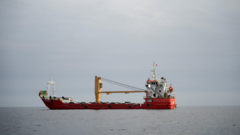
The United States Navy recently positioned warships near major Iranian trading hubs to prevent any cargo from entering or leaving the country. This action was taken to put more pressure on the Iranian government regarding its nuclear program and regional activities. China quickly responded through its foreign ministry, stating that the U.S. is acting outside of international law. The Chinese government argued that using a military blockade during a time of peace is an act of aggression that ignores the sovereignty of other nations.
Important Numbers and Facts
China currently buys more than 90% of Iran’s total oil exports, making it the most important partner for Iran’s economy. Since the blockade began, oil market analysts have seen a 5% jump in crude oil prices due to fears of a shortage. The blockade covers several key ports, including Bandar Abbas, which handles the majority of Iran’s sea trade. Furthermore, the "fragile ceasefire" mentioned by China refers to a recent agreement intended to stop fighting in nearby conflict zones, which is now at risk of falling apart completely.
Background and Context
This situation did not happen overnight. The United States and Iran have had a difficult relationship for many years, mostly centered on Iran's nuclear energy goals and its influence in the Middle East. The U.S. has used economic sanctions—which are rules that stop people from doing business with a country—for a long time. However, a naval blockade is a much more serious step because it uses physical force to stop trade. China has always preferred to solve these problems through talks rather than force. For China, Iran is a key part of its global trade plans, and any disruption to the oil flow is seen as a direct threat to China’s own economic growth.
Public or Industry Reaction
The reaction from the international community has been mixed and filled with worry. Energy companies are concerned that if the blockade continues, the cost of shipping goods across the ocean will increase because insurance for ships will become more expensive. Some allies of the United States have supported the move, saying it is necessary to stop Iran from gaining more power. On the other hand, many leaders in Europe and Asia have expressed fear that this could lead to a closed-off global trade system where countries use their navies to settle business arguments. Human rights groups have also warned that blocking ports can stop food and medicine from reaching regular people in Iran.
What This Means Going Forward
In the coming weeks, the world will watch to see if China tries to send its own ships to protect its oil tankers. If China challenges the U.S. blockade, it could lead to a direct standoff between the two most powerful navies in the world. There is also the risk that Iran might respond by trying to close the Strait of Hormuz, a narrow waterway where a huge portion of the world's oil passes through every day. If that happens, the global economy could face a major crisis. Diplomats are currently working behind the scenes to see if a new deal can be reached to end the blockade before the situation gets worse.
Final Take
The U.S. blockade of Iran has moved the disagreement from a war of words and money to a physical confrontation on the high seas. China’s strong warning shows that it is not willing to sit back while its energy security is threatened. This event highlights how quickly regional tensions can turn into a global problem that affects everyone from government leaders to everyday drivers at the gas pump.
Frequently Asked Questions
Why is China upset about the US blockade?
China is the biggest buyer of oil from Iran. The blockade stops this oil from reaching China, which hurts its economy and energy security. China also believes the blockade is illegal under international law.
What is a naval blockade?
A naval blockade is when a country uses its warships to stop any ships from entering or leaving another country's ports. It is a way to stop trade and put pressure on a government by cutting off its supplies.
How does this affect oil prices?
When a major oil producer like Iran is blocked from selling its oil, there is less oil available in the world. When supply goes down and demand stays the same, the price of oil and gasoline usually goes up.