
Summary
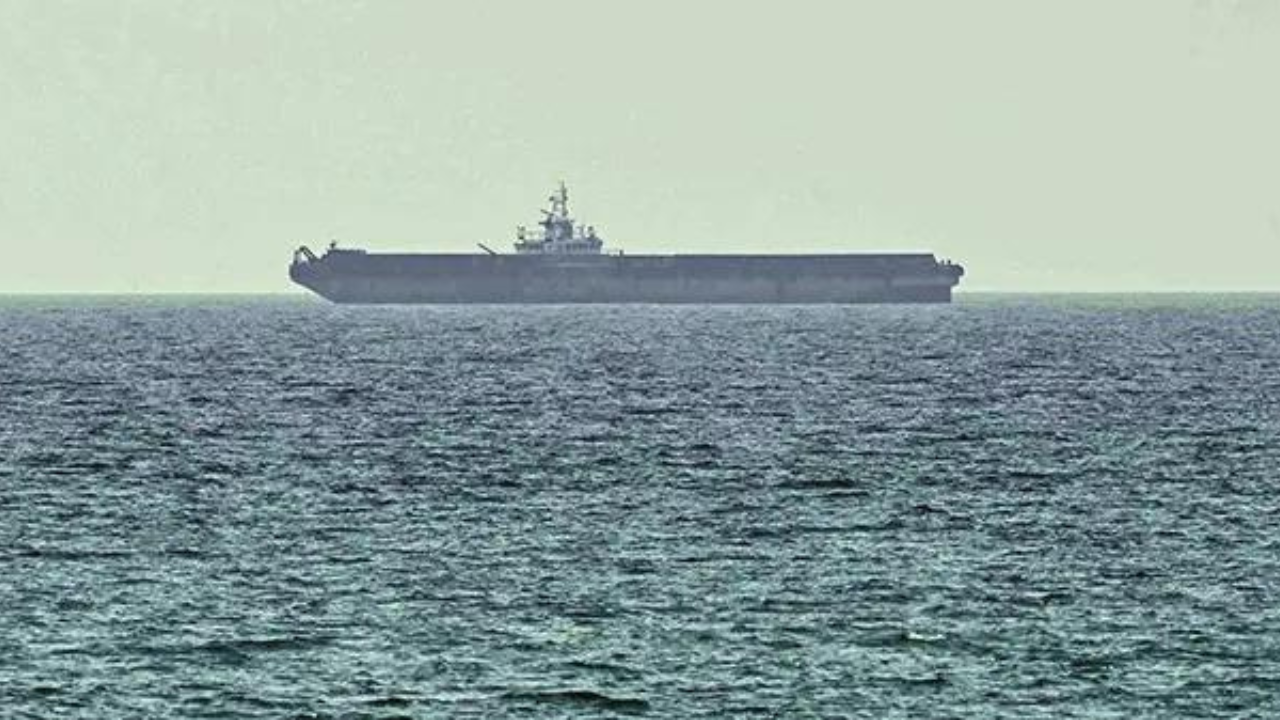
The United States has enforced a strict maritime blockade in the Strait of Hormuz, preventing all Iranian vessels from passing through the area. Over the last three days, no Iranian ships have been allowed to cross this vital waterway. This action has already forced ten ships to turn back, marking a major increase in tension between the two nations. The move aims to limit Iran's movement in one of the most important shipping lanes in the world.
Main Impact
The primary impact of this blockade is the total halt of Iranian sea trade through the Persian Gulf. By stopping these ships, the US is putting heavy pressure on Iran’s economy and its ability to move goods by sea. This situation also creates a high risk of a military clash. Because the Strait of Hormuz is very narrow, naval forces from different countries are now operating very close to each other, which increases the chance of an accident or a fight.
Key Details
What Happened
US naval forces have taken up positions at the entrance of the Strait of Hormuz to stop Iranian-flagged ships. For 72 hours, any Iranian vessel trying to enter or leave the Persian Gulf has been met by US warships. The US military has been using radio warnings and physical presence to tell these ships to change their course. So far, the Iranian ships have complied and turned away without any shots being fired.
Important Numbers and Facts
In the first three days of this operation, exactly ten Iranian ships were intercepted and sent back to their home ports. The blockade has been in place for a full 72 hours without any breaks. The Strait of Hormuz is a critical point for global energy, as about 20 percent of the world's oil passes through it. While the strait remains open for other countries, the specific ban on Iranian ships has caused a major disruption in regional traffic.
Background and Context
The Strait of Hormuz is a small but very powerful stretch of water located between Oman and Iran. It is the only way to get from the Persian Gulf to the open ocean. For many years, this area has been a place of conflict. Iran has often threatened to close the strait to hurt the global economy whenever it faces new sanctions. This time, the situation is different because the US is the one taking action to stop Iranian movement. This follows years of arguments over nuclear deals, regional power, and the safety of international shipping vessels.
Public or Industry Reaction
Energy experts and oil traders are watching the situation very closely. There is a lot of worry that if the blockade continues, oil prices could go up quickly. Shipping companies are also concerned about the safety of their crews. Some companies have started to change their routes or are paying more for insurance to cover the risks of sailing near the conflict zone. Leaders from other countries in the region have called for both sides to stay calm, fearing that a small mistake could lead to a much larger war that would affect the whole world.
What This Means Going Forward
The next few days will show how Iran plans to respond to this pressure. Iran may try to use its own small, fast boats to bother other international ships in the area as a way to get back at the US. There is also a risk that Iran could try to block the strait entirely for everyone, which would cause a global energy crisis. Diplomats are likely working behind the scenes to stop the situation from getting worse, but right now, the focus remains on the heavy naval presence in the water.
Final Take
This blockade is a very strong move by the US that changes the balance of power in the Middle East. By physically stopping Iranian ships, the US is showing that it has the power to control who moves through these critical waters. The world is now waiting to see if this pressure leads to new talks or if it results in a dangerous military confrontation in the coming weeks.
Frequently Asked Questions
Why is the Strait of Hormuz so important?
It is the main shipping route for oil coming out of the Middle East. Most of the oil sent to Asia and Europe must pass through this narrow waterway.
Are all ships being stopped by the US?
No, the current reports state that the blockade is only targeting ships that are from Iran or flying the Iranian flag. Other international ships are still moving through the area.
What happens if an Iranian ship refuses to turn back?
If a ship ignores the warnings, it could lead to a military standoff. The US Navy has the tools to physically block the path of a ship or use force if they feel it is necessary to maintain the blockade.

