
Summary
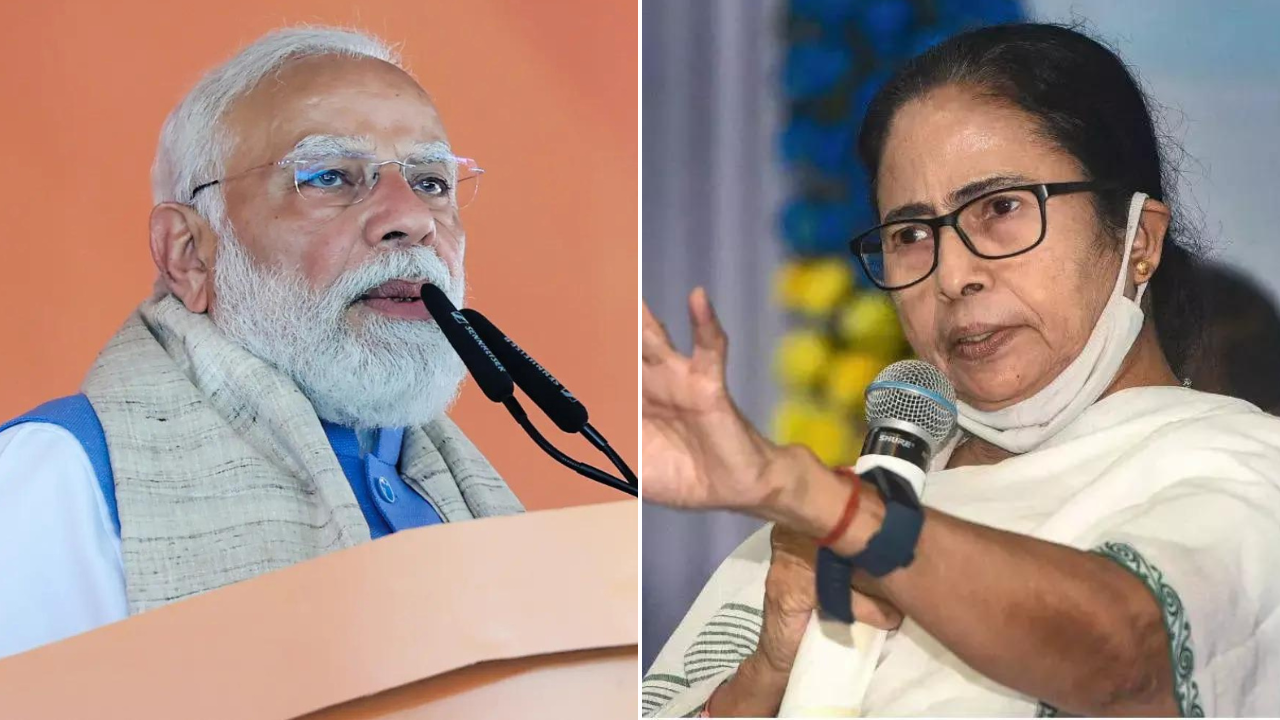
The debate over the Uniform Civil Code (UCC) has become a central issue in the political fight for West Bengal. Prime Minister Narendra Modi has promised that his government will implement a single set of laws for all citizens across India. On the other side, West Bengal Chief Minister Mamata Banerjee has strongly opposed the move, stating she will revoke any such law if given the chance. This clash highlights a major divide in how the two leaders view the future of Indian law and social customs.
Main Impact
The push for a Uniform Civil Code is changing the way political parties talk to voters in West Bengal. For the BJP, it is a promise of equality and modernization. For the TMC, it is seen as a threat to the unique traditions and religious freedoms of different communities. This disagreement is not just about legal papers; it affects how millions of people think about their daily lives, including marriage, divorce, and how they pass on property to their children. The outcome of this political battle could decide whether India moves toward a single legal system or keeps its current system of different laws for different religions.
Key Details
What Happened
During recent election events, Prime Minister Narendra Modi made it clear that the UCC is a top priority for his party. He argued that a modern country cannot function with different laws for different people based on their faith. He suggested that having one law for everyone would especially help women by giving them more rights in marriage and inheritance. He told voters that the UCC is a step toward making India a truly fair and equal nation.
In response, Mamata Banerjee used her public speeches to warn people about the changes. She claimed that the UCC is an attempt to take away the identity of various groups. She promised her supporters that she would stand as a wall against the implementation of these laws in her state. She argued that India’s strength lies in its variety and that forcing one set of rules on everyone would hurt the social fabric of the country.
Important Numbers and Facts
The Uniform Civil Code is a major part of the BJP’s national election manifesto. While the central government wants to apply it to the whole country, some states have already started the process. For example, Uttarakhand became the first state in India to pass a UCC bill recently. This has set a path that the BJP wants other states to follow. In West Bengal, where there is a large and diverse population, the impact of such a law would be significant. Political experts note that the debate targets a large portion of the voting population, as it touches on sensitive personal and religious beliefs.
Background and Context
To understand this issue, it is important to know what the Uniform Civil Code actually is. Currently, India has "personal laws" for different religions. This means that Hindus, Muslims, Christians, and other groups follow different rules for things like getting married, getting a divorce, and deciding who gets the family's money or land after someone dies. These laws have been in place for many decades.
The idea of a UCC is mentioned in the Indian Constitution as a goal for the country. However, it has been a very controversial topic for a long time. Supporters say it is necessary to treat every citizen the same way under the law. They believe it will end discrimination against women that sometimes exists in traditional religious laws. Opponents argue that India is too diverse for a single law. They feel that religious groups should have the right to follow their own customs and that the government should not interfere in personal matters.
Public or Industry Reaction
The reaction to these announcements has been split. Many people who support the BJP believe that the UCC is long overdue. They feel it will simplify the legal system and make the country more united. Women's rights groups have also shown interest, with some saying that a uniform law could provide better protection for women in all communities.
On the other hand, many religious leaders and minority groups have expressed deep concern. They fear that their traditions will be erased. In West Bengal, the TMC has used these fears to rally its supporters, claiming that the BJP wants to impose a single way of life on everyone. Legal experts are also watching closely, as implementing such a law would require a massive change to the current court system and how legal cases are handled.
What This Means Going Forward
The next steps depend heavily on the results of the upcoming elections. If the BJP gains more power, they are likely to move quickly to bring the UCC to Parliament. This would lead to a major national debate and possibly legal challenges in the Supreme Court. The government would need to draft a law that balances equality with the protection of cultural rights.
If Mamata Banerjee and other opposition leaders remain strong, they will likely use every tool they have to block the law. This could lead to a standoff between the central government in Delhi and state governments. We can expect more protests and heated debates in the coming months as both sides try to convince the public that their vision for India is the right one. The fight over the UCC is not just a legal one; it is a fight over what kind of country India wants to be in the future.
Final Take
The clash between PM Modi and Mamata Banerjee over the Uniform Civil Code shows a deep disagreement about the meaning of equality and diversity. While one side sees a single law as the path to a fair society, the other sees it as a threat to freedom. This issue will remain at the heart of Indian politics for a long time. Voters now have to decide if they prefer a system where everyone follows the same rules or one where different traditions are kept separate. The choice they make will shape the legal and social life of the country for generations to come.
Frequently Asked Questions
What is the Uniform Civil Code (UCC)?
The UCC is a proposal to replace the different personal laws of each religion with a single set of laws for all citizens. It covers topics like marriage, divorce, inheritance, and adoption.
Why does Mamata Banerjee oppose the UCC?
She believes that the UCC ignores India's diversity and threatens the religious and cultural rights of different communities. She argues that the government should not force one set of rules on everyone.
Has any state in India already implemented the UCC?
Yes, Uttarakhand recently passed a law to implement the Uniform Civil Code. It is the first state to do so, and the central government hopes to use it as a model for the rest of the country.



