
Summary
Union Home Minister Amit Shah has announced that the Bharatiya Janata Party (BJP) intends to implement the Uniform Civil Code (UCC) across India within six months. This major statement was made during a political event in West Bengal, where the party is working to gain ground. The UCC is a plan to replace various religious personal laws with one single set of rules for every citizen. This move is expected to be a central issue in the upcoming elections, as it touches on sensitive topics like religion, law, and national identity.
Main Impact
The implementation of a Uniform Civil Code would mark one of the most significant legal changes in India since independence. Currently, different religious communities follow their own specific laws for personal matters. By introducing a common law, the government aims to create a system where every person is treated equally, regardless of their faith. This change would directly affect how families handle legal disputes and rights. It also sets the stage for a major political showdown between the central government and state leaders who oppose the plan.
Key Details
What Happened
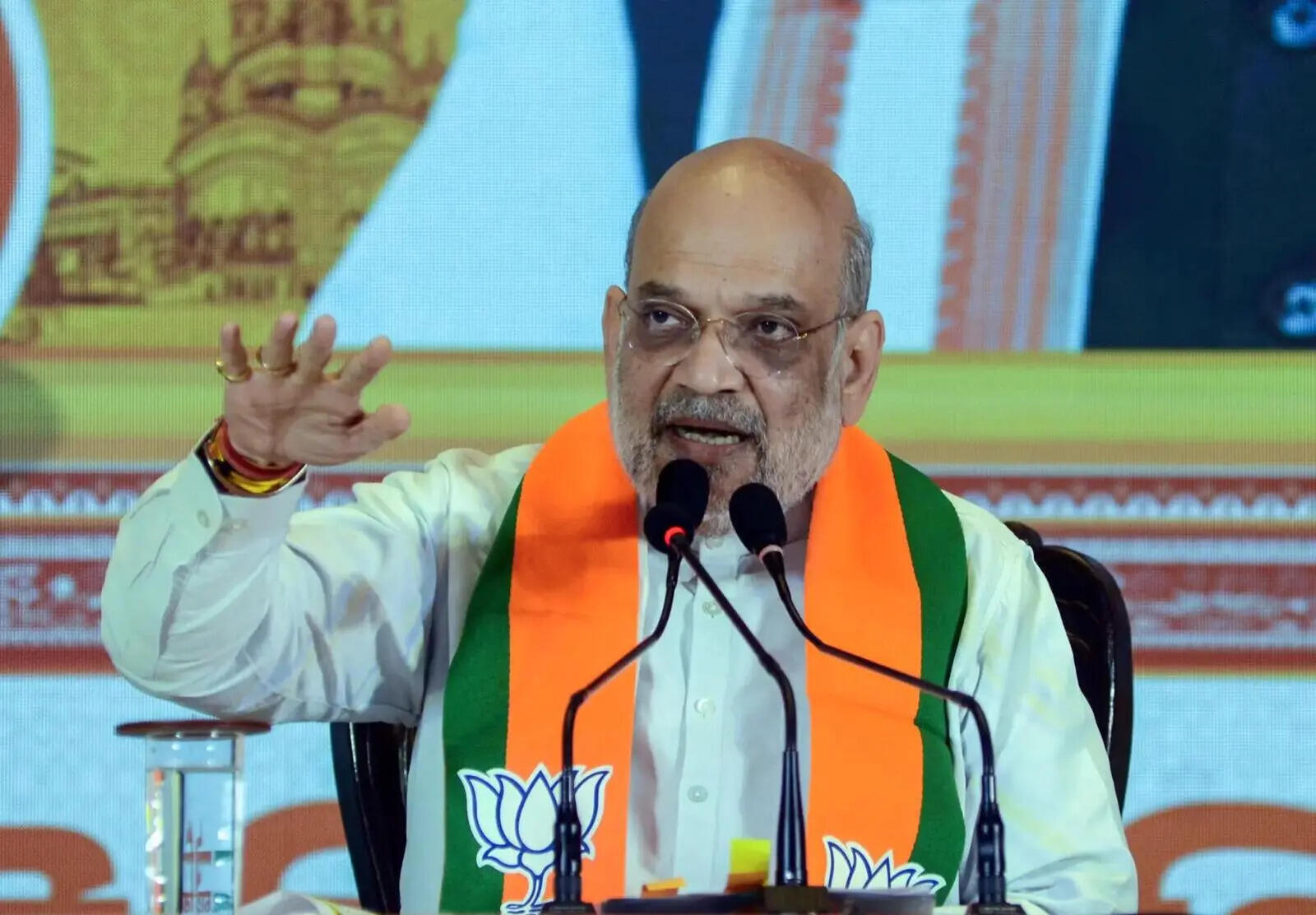
During a campaign visit to West Bengal, Amit Shah spoke about the BJP's vision for the country's legal future. He made it clear that the party wants to bring the UCC into action quickly. He set a timeline of six months for this process to begin. This announcement is seen as a direct challenge to the current West Bengal government, led by Chief Minister Mamata Banerjee. The BJP is using this promise to show its commitment to national unity and legal reform.
Important Numbers and Facts
The proposed law focuses on four main areas of life: marriage, divorce, inheritance, and adoption. Under the current system, these areas are governed by different rules for Hindus, Muslims, Christians, and other groups. For example, the rules for how property is divided after a person dies can vary greatly depending on their religion. The BJP argues that having one law for all 1.4 billion people in India will simplify the legal system and protect the rights of women and children who might be treated unfairly under traditional religious laws.
Background and Context
The idea of a Uniform Civil Code is not new. It is actually mentioned in the Indian Constitution under Article 44. The Constitution suggests that the state should try to secure a uniform code for all citizens. However, for many decades, governments avoided this issue because it is very sensitive. Many people feel that religious laws are a core part of their identity. On the other hand, supporters of the UCC believe that a modern secular country should not have different laws based on religion. Recently, the state of Uttarakhand passed its own version of the UCC, which has served as a model for what the national version might look like.
Public or Industry Reaction
The reaction to Amit Shah's announcement has been very strong on both sides. In West Bengal, Chief Minister Mamata Banerjee and her party, the Trinamool Congress (TMC), have voiced strong opposition. They argue that the UCC is an attempt to interfere with the religious freedom of minorities and to force a single culture on a diverse state. Many community leaders have also expressed concern that their traditions will be lost. Meanwhile, supporters of the BJP have welcomed the news, calling it a long-overdue step toward true equality. Legal experts are divided, with some praising the move for modernization and others worried about how it will be enforced in such a diverse nation.
What This Means Going Forward
The next six months will likely see intense debates in Parliament and across the country. If the BJP moves forward with this plan, they will need to draft a law that balances national unity with religious sensitivity. There will likely be many protests and legal challenges in the courts. The outcome of the elections in West Bengal and other states will also play a huge role in whether this law becomes a reality. If successful, the UCC could change the daily lives of millions of people and redefine the relationship between religion and the state in India.
Final Take
The promise to bring the Uniform Civil Code within six months is a bold political move. It highlights the government's desire to move away from religion-based laws and toward a single national standard. While the goal of equality is clear, the path to getting there is filled with social and political hurdles. How the government handles these challenges will determine if the UCC becomes a tool for unity or a source of further division.
Frequently Asked Questions
What is the Uniform Civil Code (UCC)?
The UCC is a proposal to have one common set of laws for all Indian citizens regarding personal matters like marriage, divorce, and property inheritance, regardless of their religion.
Why is the BJP pushing for the UCC in West Bengal?
The BJP believes the UCC will promote national integration and equality. In West Bengal, it is also a key part of their election campaign to challenge the current state government's policies.
Does the UCC affect religious worship?
No, the UCC only deals with civil and personal laws like marriage and inheritance. It does not change how people pray or practice their religious rituals and beliefs.



