Summary
The UK government has confirmed that health data belonging to the UK Biobank was found listed for sale on a Chinese website. This database contains the medical records and genetic information of 500,000 people in the United Kingdom. While the listing is a serious concern, officials from the Biobank state that no names or addresses were included in the leak. This event has sparked a new debate about how the country protects sensitive medical information when it is shared with researchers around the world.
Main Impact
The main impact of this discovery is a loss of public trust in how medical data is handled. UK Biobank is one of the most important tools for doctors and scientists trying to cure diseases. If people feel their private health history is not safe, they may be less likely to sign up for these studies in the future. This could slow down medical progress for conditions like cancer, dementia, and heart disease. Additionally, it forces the government to rethink how it shares data with international partners, especially those in countries with different privacy laws.
Key Details
What Happened
Security experts found a post on a Chinese marketplace offering a large set of medical data for sale. After looking into the matter, the UK government confirmed that the data appeared to come from the UK Biobank. The Biobank is a massive project that has been collecting health information for two decades. Managers of the database were quick to point out that their internal systems were not hacked. Instead, they believe the data might have been taken from a researcher who was given legal access to the information but did not keep it secure. It is also possible that the data was put together from several different sources to look like a single leak.
Important Numbers and Facts
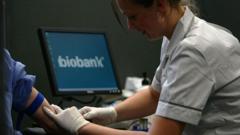
The UK Biobank holds data for 500,000 volunteers who joined the project between 2006 and 2010. These volunteers provided blood samples, DNA, and detailed records of their lifestyle and health history. Over 30,000 researchers from nearly 100 countries have been granted access to this data over the years. While the Biobank says "personally identifiable information" like names, birthdays, and home addresses were not leaked, the medical records themselves are still highly sensitive. The government is currently working with cyber security experts to find out exactly how much data was taken and who is responsible for the listing.
Background and Context
The UK Biobank was created to help scientists understand why some people get sick while others stay healthy. It is a "gold mine" for medical research because it tracks the same people over a long period of time. To make discoveries, the Biobank allows scientists from universities and private companies to study the data. Before they get access, researchers must prove that their work will help the public. They also sign contracts promising to keep the data safe. However, once the data is downloaded by a researcher in another country, it becomes much harder for the UK to control what happens to it. This incident shows that even with strict rules, there are still ways for data to end up in the wrong hands.
Public or Industry Reaction
Privacy groups have expressed deep concern over this report. They argue that even if names are removed, it is sometimes possible to identify a person by looking at their unique medical patterns. For example, a rare combination of health issues and a specific location might point to one individual. Tech experts are calling for the government to stop allowing researchers to download the data onto their own computers. Instead, they suggest using "secure rooms" where scientists can look at the data online but cannot copy or move it. Some politicians have also called for a full review of how the UK shares scientific data with China, citing national security risks.
What This Means Going Forward
Going forward, the UK Biobank will likely face much stricter rules. The government may decide to limit data access for researchers in certain countries. There is also a push to use new technology that tracks every time a piece of data is viewed or moved. This would make it easier to find out who leaked information if it happens again. For the 500,000 people who gave their data to the project, there is no immediate action they need to take, as their names were not part of the leak. However, the incident serves as a warning that digital health records are a valuable target for criminals and foreign governments.
Final Take
Sharing medical data is necessary for modern medicine, but this incident shows that the current system has weak spots. The challenge for the UK is to keep the Biobank open for honest scientists while locking the door against those who want to profit from private information. Keeping the balance between open science and personal privacy will be the most important task for health officials in the coming years.
Frequently Asked Questions
Was my name or address stolen in this leak?
No. The UK Biobank has stated that no personal details like names, addresses, or phone numbers were included in the data listed for sale. The information was "anonymized," meaning it was stripped of direct identity markers.
How did the data end up in China?
While the investigation is ongoing, it is believed that a researcher who had legal access to the data may have failed to protect it. It is also possible that the data was stolen from a third-party computer system rather than the Biobank itself.
Is the UK Biobank still safe to use?
The Biobank says its main servers remain secure and were not broken into. They are working with the government to improve security and ensure that researchers follow even stricter rules when handling the data.