Summary
The United Arab Emirates (UAE) has officially announced its departure from OPEC and the larger OPEC+ group. This surprising move comes just days after the U.S. Treasury Department offered the country significant financial support. By leaving the oil cartel, the UAE is breaking away from the leadership of Saudi Arabia and aligning itself more closely with U.S. interests. This decision is expected to have a major impact on how oil is priced and sold around the world.
Main Impact
The exit of the UAE is a massive blow to OPEC’s power. For decades, this group of oil-producing nations has worked together to control the supply of oil and keep prices stable. The UAE is one of the top producers in the group, making its departure much more significant than when smaller countries like Qatar or Angola left in the past. Without the UAE, Saudi Arabia loses its most important partner in the region, which could lead to more competition and less cooperation among oil-producing nations.
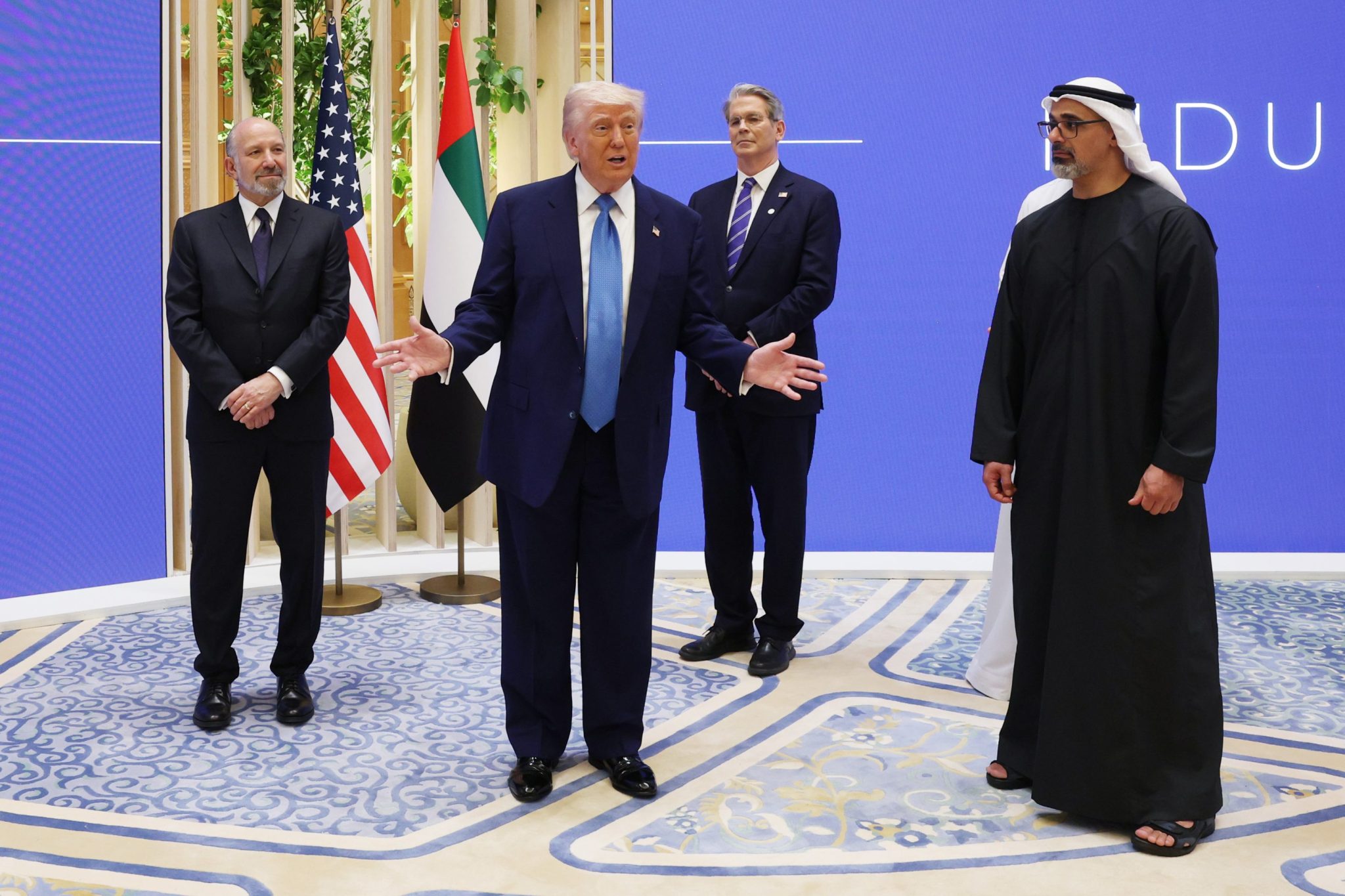
This move also strengthens the bond between the UAE and the United States. By securing a financial safety net from the U.S. Treasury, the UAE has shown that it values its relationship with Washington more than its membership in the oil cartel. This shift could help protect the U.S. dollar's role as the primary currency for global energy trades, a system that has recently faced pressure from countries like China and Iran.
Key Details
What Happened
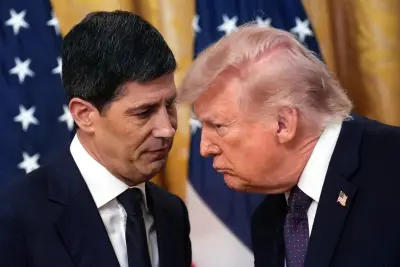
The decision followed high-level meetings in Washington between UAE central bank officials and U.S. Treasury Secretary Scott Bessent. During these talks, the U.S. backed a "swap line" for the UAE. A swap line is essentially an emergency agreement that allows a country to access U.S. dollars quickly if its economy faces trouble. This financial support gave the UAE the confidence to leave OPEC and pursue its own economic goals without following the group's strict rules on oil production.
Important Numbers and Facts
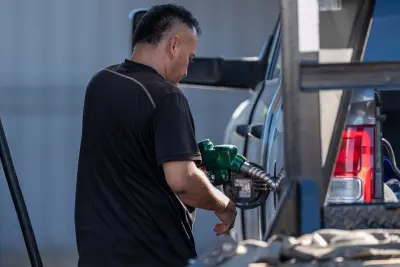
The UAE has ambitious plans to grow its oil business. The country wants to produce 5 million barrels of oil per day by the year 2027. This target is much higher than the limits previously set by OPEC. Experts believe that by producing more oil on its own, the UAE could earn an extra $50 billion in revenue every year. Meanwhile, the price of Brent crude oil has already climbed past $100 per barrel due to tensions in the Middle East and concerns over supply routes like the Strait of Hormuz.
Background and Context
For a long time, the "petrodollar" system has been the backbone of global trade. This means that most oil in the world is bought and sold using U.S. dollars. However, this system has started to weaken as some countries begin using other currencies, like the Chinese yuan or even digital currencies like bitcoin. The UAE had even considered pricing some of its oil in yuan before the U.S. stepped in with financial aid.
There are also security reasons for this change. The UAE has been frustrated by a lack of support from its neighbors while facing threats and missile strikes from Iran. In response, the U.S. and Israel have increased their military support for the UAE. This includes deploying the Iron Dome missile defense system to UAE soil and expanding the U.S. military presence at local air bases. These actions have made the UAE feel more secure in its partnership with the West.
Public or Industry Reaction
The reaction from the energy industry has been one of shock. Many analysts did not expect the UAE to leave so suddenly. Within the U.S. government, the move is being seen as a major victory. President Trump has often criticized OPEC for keeping oil prices high, and this departure is viewed as a successful effort to break up the cartel's influence. However, some economists warn that while the UAE is now more independent, the global oil market remains very unstable due to ongoing wars and shipping risks.
What This Means Going Forward
In the short term, oil prices may stay high because of the uncertainty caused by this split. While the UAE wants to pump more oil, it will take time to increase production and ensure that shipping lanes are safe. The UAE is also demanding that any future peace deals between the U.S. and Iran must guarantee that ships can move freely through the Strait of Hormuz. This gives the UAE a powerful seat at the table in future diplomatic talks.
OPEC will now have to decide how to move forward without one of its biggest members. If other countries follow the UAE's lead, the group could lose its ability to influence global oil prices entirely. This would lead to a more open market where individual countries decide how much oil to sell based on their own needs rather than a group agreement.
Final Take
The UAE’s exit from OPEC marks the end of an era for the global energy market. By choosing financial and military security from the U.S. over the rules of the oil cartel, the UAE has changed the balance of power in the Middle East. This move highlights a growing trend where national interests and direct alliances are becoming more important than old international groups.
Frequently Asked Questions
Why did the UAE leave OPEC?
The UAE left because it wants to produce more oil than OPEC rules allow and because it secured a financial and security partnership with the United States.
What is a dollar swap line?
A dollar swap line is an agreement between central banks that allows a country to trade its own currency for U.S. dollars to ensure it has enough cash to keep its financial system stable.
How will this affect oil prices?
In the short term, prices may rise due to market confusion. In the long term, the UAE's plan to produce more oil could eventually help lower prices by increasing the global supply.