
Summary
Former President Donald Trump has suggested that a visit to Pakistan could be on his schedule if a new agreement is reached with Iran. This statement links two major foreign policy goals into one diplomatic move. By connecting a potential trip to Islamabad with a deal in Tehran, Trump is signaling a new way of handling regional politics. This approach could change how the United States interacts with both South Asia and the Middle East in the coming years.
Main Impact
The main impact of this statement is the creation of a "package deal" for regional stability. For years, the United States has treated its relationships with Pakistan and Iran as separate issues. By linking them, Trump is putting pressure on both nations to cooperate with American interests. If a deal with Iran is reached, it could open the door for better trade and security talks with Pakistan. This move aims to reduce tension in a part of the world that has seen constant conflict for decades.
Key Details
What Happened
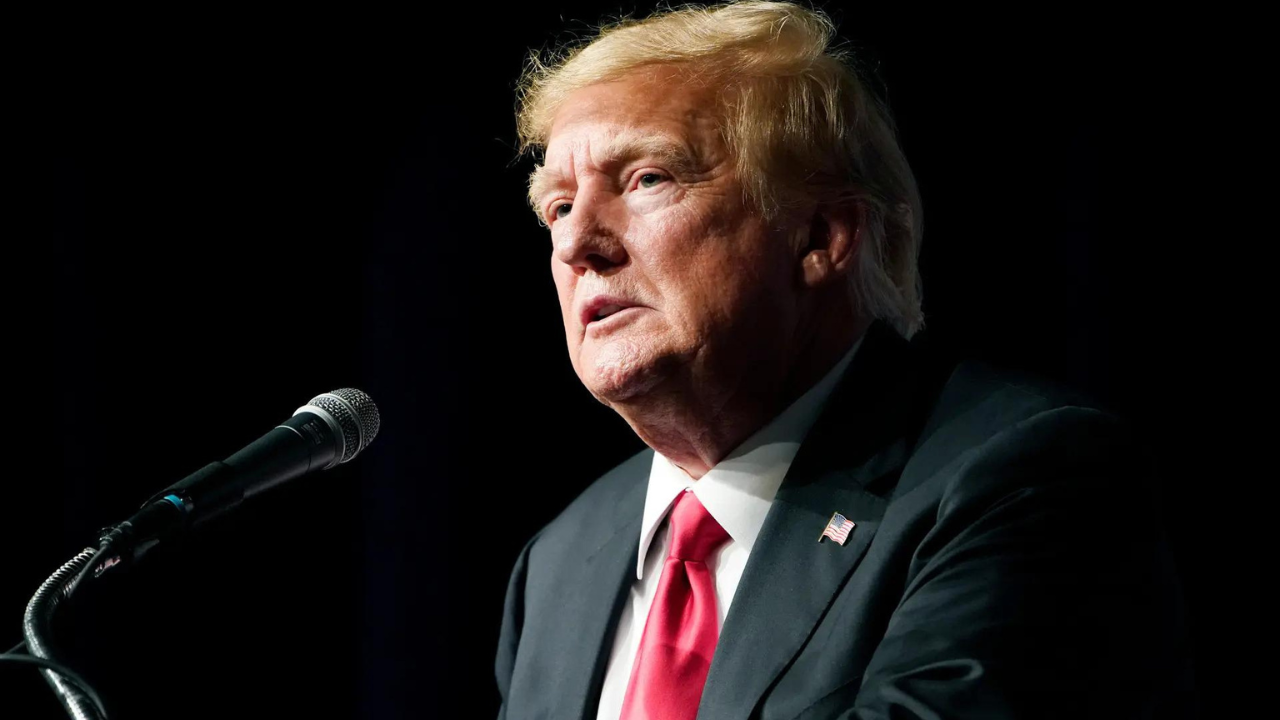
During a recent public appearance, Donald Trump spoke about his plans for international relations. He told reporters that he is open to visiting Pakistan, a country that has had a complicated relationship with the U.S. over the last decade. However, he made it clear that this visit is not guaranteed. It depends entirely on whether the U.S. can "clinch a deal" with Iran regarding its nuclear program and regional activities. He suggested that solving the problem with Iran would make a trip to Pakistan much more useful for American interests.
Important Numbers and Facts
The discussion centers on several key figures and historical points. First, the U.S. has spent billions of dollars in military and economic aid to Pakistan since 2001. Second, the Iran nuclear issue involves the 2015 agreement, which the U.S. left in 2018. Trump has often said he wants a "better deal" than the original one. Currently, Iran's economy is struggling under heavy sanctions, and Pakistan is looking for new investment to help its own slowing economy. A successful deal could involve billions of dollars in sanctions relief for Iran and new trade routes through Pakistan.
Background and Context
To understand why this matters, we have to look at the map. Pakistan and Iran share a long border. Both countries are very important to U.S. security. In the past, the U.S. has used Pakistan as a partner to help with issues in Afghanistan. At the same time, the U.S. has viewed Iran as a major threat due to its nuclear ambitions. By saying he will visit Pakistan only after an Iran deal, Trump is trying to use his "deal-making" reputation to solve two problems at once. He believes that if Iran stops its nuclear program, the whole region will become safer, making it easier to build a stronger bond with Pakistan.
Public or Industry Reaction
The reaction to this news has been mixed. In Pakistan, some government officials are hopeful. They see a potential visit from a U.S. leader as a way to boost their standing on the world stage. They also hope it could lead to more American investment. However, some experts in Washington are skeptical. They argue that making a deal with Iran is extremely difficult and might take years. These critics worry that linking the two countries might make diplomacy more complicated instead of easier. Meanwhile, leaders in Iran have not yet given a clear answer, as they remain cautious about any new proposals from the U.S.
What This Means Going Forward
Going forward, the world will be watching for any signs of secret talks between U.S. and Iranian officials. If these talks begin, it will be the first step toward a possible visit to Islamabad. For Pakistan, the next steps involve showing the U.S. that they are a reliable partner in regional peace. For the U.S., the risk is that if no deal is made with Iran, the relationship with Pakistan might stay cold. This strategy puts a lot of weight on a single diplomatic goal. If it works, it could lead to a new era of peace. If it fails, it could leave the U.S. with fewer allies in the region.
Final Take
This plan shows a bold style of foreign policy that relies on high-stakes deals. By connecting a visit to Pakistan with an Iran agreement, the goal is to create a domino effect of stability. While the path is full of challenges, the potential for a major shift in global politics is clear. The success of this idea will depend on whether all three countries can find common ground on security and trade.
Frequently Asked Questions
Why is a visit to Pakistan linked to an Iran deal?
The idea is that a deal with Iran would make the entire region safer. This would allow the U.S. to focus on building a stronger, more productive relationship with Pakistan without the threat of regional conflict.
What kind of deal does the U.S. want with Iran?
The U.S. is looking for an agreement that stops Iran from developing nuclear weapons and limits its influence in nearby conflicts. In exchange, the U.S. would likely remove economic sanctions.
Has a U.S. president visited Pakistan recently?
Visits to Pakistan by U.S. presidents are rare due to security concerns and changing political ties. A visit would be a major sign that the relationship between the two countries is improving.

