Summary
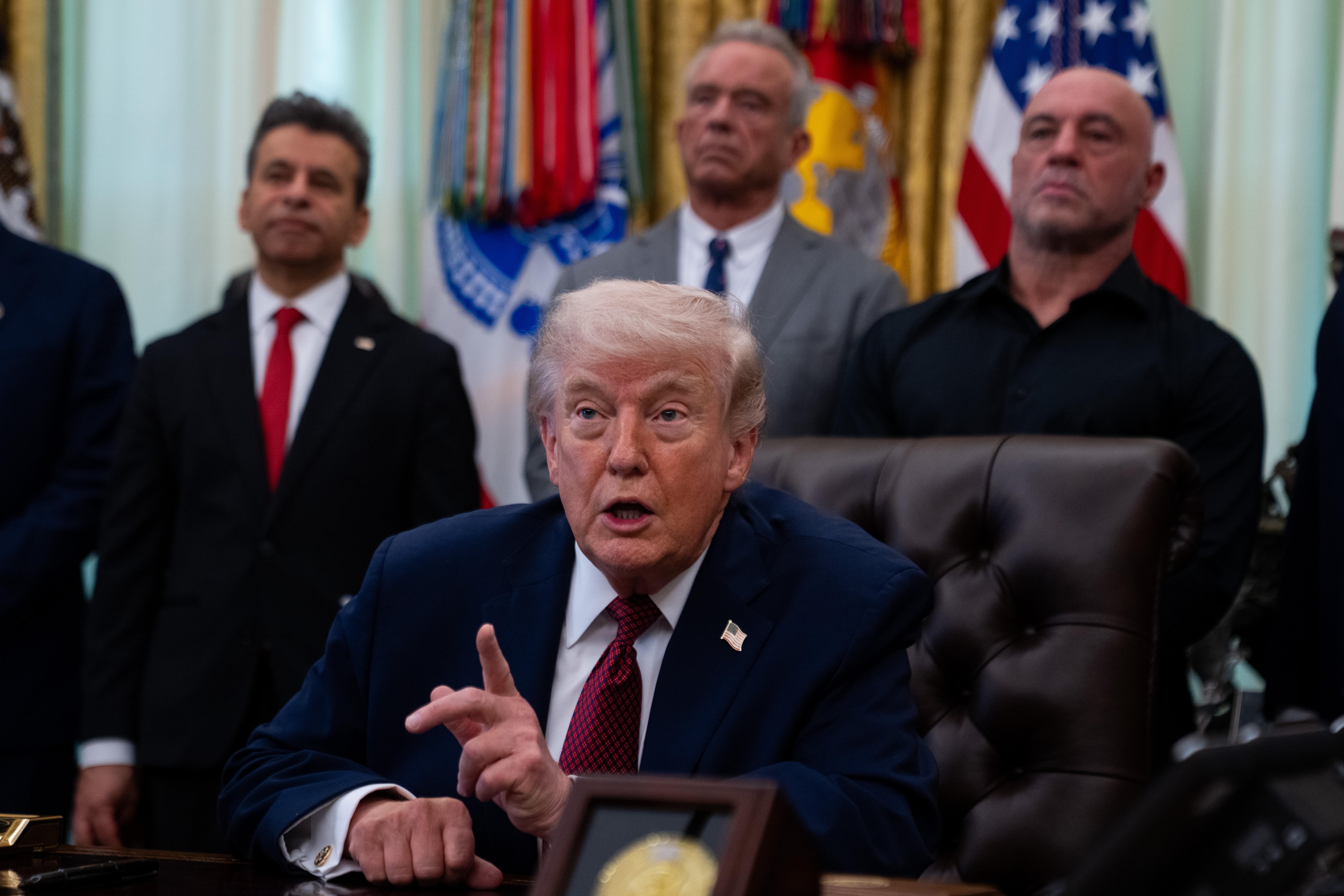
President Donald Trump has restarted high-stakes talks with Iran as a critical deadline approaches. With less than 72 hours remaining before a temporary ceasefire ends, the U.S. leader has issued a severe warning to the Iranian government. Trump stated that if Iran does not agree to his specific peace plan, the United States will target and destroy every power plant in the country. This move has put the entire Middle East on edge as the world waits to see if a deal can be reached before time runs out.
Main Impact
The immediate impact of this announcement is a massive increase in regional tension. By threatening Iran’s entire electrical grid, the U.S. is moving beyond traditional military targets and focusing on infrastructure that supports daily life for millions of people. If these threats are carried out, it would lead to a total blackout across Iran, affecting hospitals, water systems, and homes. This "all or nothing" approach to diplomacy has forced international markets to react, with oil prices showing signs of instability as the 72-hour countdown begins.
Key Details
What Happened
The situation reached a boiling point this weekend when the U.S. administration confirmed that negotiations had resumed. However, these are not standard diplomatic talks. President Trump has presented a final plan that he expects Iran to sign immediately. The ceasefire, which has kept a shaky peace between the two nations, is set to expire in just three days. Instead of offering small concessions, the U.S. is using the threat of total infrastructure destruction to force Iran’s hand.
Important Numbers and Facts
The timeline is the most critical factor in this development. There are fewer than 72 hours left on the clock. The U.S. military has reportedly already identified the locations of Iran’s major power stations and energy hubs. If the plan is rejected, the resulting strikes could disable the energy supply for over 85 million people. This strategy follows months of failed discussions and economic sanctions that have already put a heavy strain on the Iranian economy.
Background and Context
To understand why this is happening, it is important to look at the long history of tension between Washington and Tehran. For years, the two countries have argued over nuclear energy, regional influence, and economic trade. Previous attempts at peace often fell apart because neither side fully trusted the other. The current ceasefire was meant to provide a window for a permanent solution, but as the end date neared, progress stalled. President Trump’s latest tactic is a return to his "maximum pressure" policy, where he uses extreme threats to gain an advantage in negotiations.
Public or Industry Reaction
The reaction to this ultimatum has been swift and divided. Within the United States, some political leaders support the move, arguing that only a strong threat will make Iran change its behavior. They believe that a clear warning is the best way to avoid a long, drawn-out war. On the other hand, many international leaders and human rights groups are deeply concerned. They argue that destroying power plants would cause a humanitarian disaster, hurting innocent civilians more than the government. Energy experts are also worried that a conflict of this size could disrupt global fuel supplies for a long time.
What This Means Going Forward
The next few days will determine the future of the Middle East for years to come. If Iran accepts the plan, we could see a major shift toward stability and the lifting of some sanctions. If they refuse, the region faces the risk of a large-scale military conflict. The U.S. military is likely on high alert, prepared to act the moment the ceasefire expires. Other countries, including European allies and neighbors in the Gulf, are working behind the scenes to find a middle ground, but the window for a compromise is closing very fast.
Final Take
This is a moment of extreme risk where diplomacy and military force are meeting at a single point. By putting Iran’s power grid on the line, the U.S. has made it clear that it is no longer interested in slow negotiations. The world is now watching the clock, knowing that the decisions made in the next 72 hours will either lead to a historic peace deal or a devastating new conflict.
Frequently Asked Questions
Why is there a 72-hour deadline?
The 72-hour window is based on the expiration of a previously agreed-upon ceasefire between the U.S. and Iran. Once this time passes, both sides are no longer legally bound to stop military actions.
What happens if Iran’s power plants are destroyed?
The destruction of power plants would lead to a national blackout. This would stop electricity from reaching homes, businesses, and essential services like hospitals, creating a major humanitarian crisis.
Is a deal still possible?
Yes, negotiations are still happening. The threat is intended to push Iran to sign the U.S. plan before the deadline. If both sides can agree on the terms in the coming hours, the military strikes can be avoided.