Summary
United States President Donald Trump has announced a five-day pause in planned military strikes against Iran’s energy facilities. This decision follows what the President described as "productive talks" with Iranian leaders. The move aims to provide a short window for further negotiations to prevent a larger war in the Middle East. While this pause offers some relief to global markets, military actions between Israel and Iran continue to escalate on the ground.
Main Impact
The immediate effect of this announcement was felt in the global economy. As soon as the news of the five-day truce broke, oil prices dropped by more than 10%. Before this, prices had been rising quickly due to fears of a total war that could stop oil shipments. Stock markets also saw a major change. After starting the day with heavy losses, many markets recovered and began to show gains as investors felt more hopeful about a possible peaceful solution.
Key Details
What Happened
The situation reached a breaking point over the weekend when President Trump gave Iran a final warning. He threatened to bomb Iranian power plants and oil sites if the country did not stop blocking the Strait of Hormuz. This strait is a narrow water path that is vital for the world’s oil supply. Iran responded by saying they would place underwater mines throughout the Persian Gulf if the U.S. or Israel attacked their coasts or islands. However, after a series of discussions, both sides agreed to a short break in the specific plan to target energy buildings.
Important Numbers and Facts
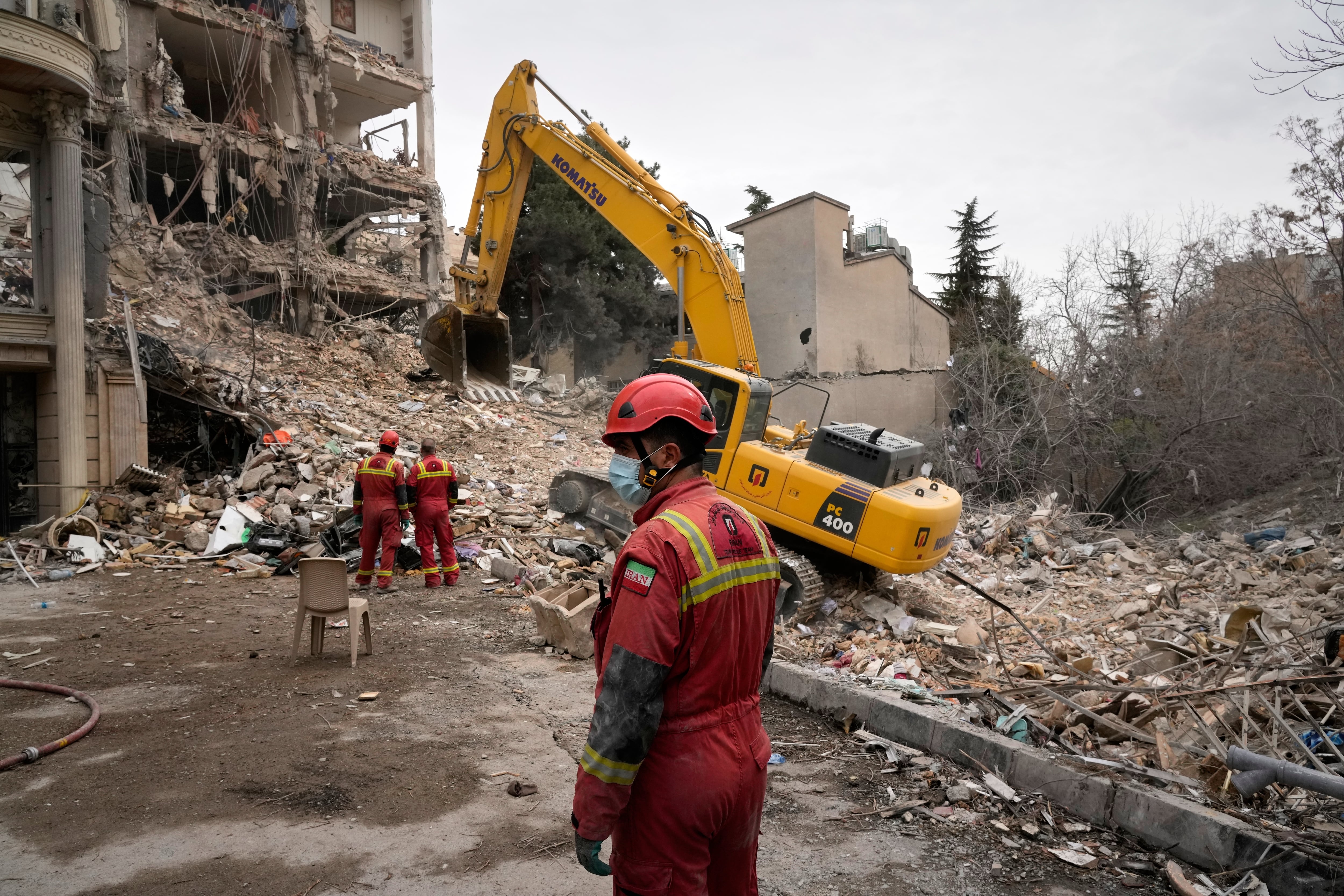
The truce is set to last for exactly five days, during which more talks will take place. The 10% drop in oil prices is one of the largest single-day falls in recent months. Despite the pause in energy-related strikes, the military conflict is still very active. Israel recently carried out a new wave of air strikes on Tehran, the capital of Iran. This was a response to a large number of missiles that Iran fired at Israel just hours earlier. Additionally, neighboring countries like Saudi Arabia, the United Arab Emirates, Kuwait, and Bahrain have reported being hit by bombs during the ongoing regional tension.
Background and Context
To understand why this matters, it is important to know about the Strait of Hormuz. This small area of water is the only way for oil ships to get out of the Persian Gulf and reach the rest of the world. If it is blocked, the world could face a massive energy shortage. Iran has often used its control over this area as a way to push back against pressure from the West. One of the most important spots in this area is Kharg Island, which serves as Iran's main hub for sending oil to other countries. If this island were destroyed, Iran’s economy would suffer greatly, but the rest of the world would also see much higher gas and energy prices.
Public or Industry Reaction
Business leaders and economists have reacted with cautious relief. The sudden drop in oil prices shows how much the world fears a disruption in the Middle East. However, military experts remain worried. They point out that while the U.S. has paused its specific plan to hit oil sites, the fighting between Israel and Iran has not stopped. Leaders in the Gulf states, such as Saudi Arabia and the UAE, are calling for more stability as their own territories have been caught in the crossfire of the missile exchanges. They are concerned that even a five-day pause may not be enough to stop a full-scale regional war.
What This Means Going Forward
The next five days will be critical for international relations. Negotiators will be working behind the scenes to see if a more permanent agreement can be reached. If these talks fail, the threat to Iran’s energy facilities will likely return. This could lead to Iran following through on its threat to mine the Persian Gulf, which would create a global shipping crisis. People around the world will be watching the oil markets and the news from Tehran very closely this week. The main goal for the U.S. is to keep the Strait of Hormuz open, while Iran wants to ensure its own territory is not destroyed by air strikes.
Final Take
The five-day truce is a small sign of hope in a very dangerous situation. It shows that even when things are at their worst, there is still a chance for talk instead of fighting. However, the peace is very fragile. With missiles still flying between Israel and Iran, the risk of the conflict growing remains high. The world is currently waiting to see if these "productive talks" can turn into a real plan for peace or if they are just a short break before more violence.
Frequently Asked Questions
Why did oil prices drop so quickly?
Oil prices fell because the five-day pause reduced the immediate fear that Iran’s oil facilities would be destroyed. When the risk of a supply shortage goes down, prices usually follow.
What is the Strait of Hormuz?
It is a narrow and very important waterway between the Persian Gulf and the Gulf of Oman. It is the main route used by ships to transport oil from the Middle East to the rest of the world.
Is the war between Israel and Iran over?
No. While the U.S. has paused its plan to attack energy sites, Israel and Iran are still actively trading missile strikes and carrying out bombings against each other.