Summary
President Donald Trump has officially extended the ceasefire between the United States and Iran. This decision comes at a very tense time, as the previous agreement was set to end in just a few hours. The extension will remain in place until Iran can present a single, clear plan for peace and until the current talks are finished. While the fighting has stopped for now, the U.S. is keeping its ships in the area to block important sea routes. This move is intended to give diplomats more time to reach a final agreement in Pakistan.
Main Impact
The most immediate effect of this decision is the prevention of a new round of fighting. By extending the ceasefire, both countries have a chance to avoid more violence. However, the situation is still very serious because the U.S. naval blockade of the Strait of Hormuz will continue. This blockade affects how goods and oil move through the region, which keeps pressure on the Iranian government. The extension shows that while the U.S. is willing to talk, it is not ready to lower its guard or stop its military pressure until a deal is signed.
Key Details
What Happened
On Tuesday night, President Trump announced that the ceasefire would not end as planned. He waited until very late in the evening to make the announcement, which added to the global tension. The U.S. government believes that Iran is currently dealing with internal disagreements. Because different groups within Iran may want different things, the U.S. is waiting for them to come up with one unified proposal. Until that happens, the U.S. will keep the current rules in place and continue the naval blockade.
Important Numbers and Facts
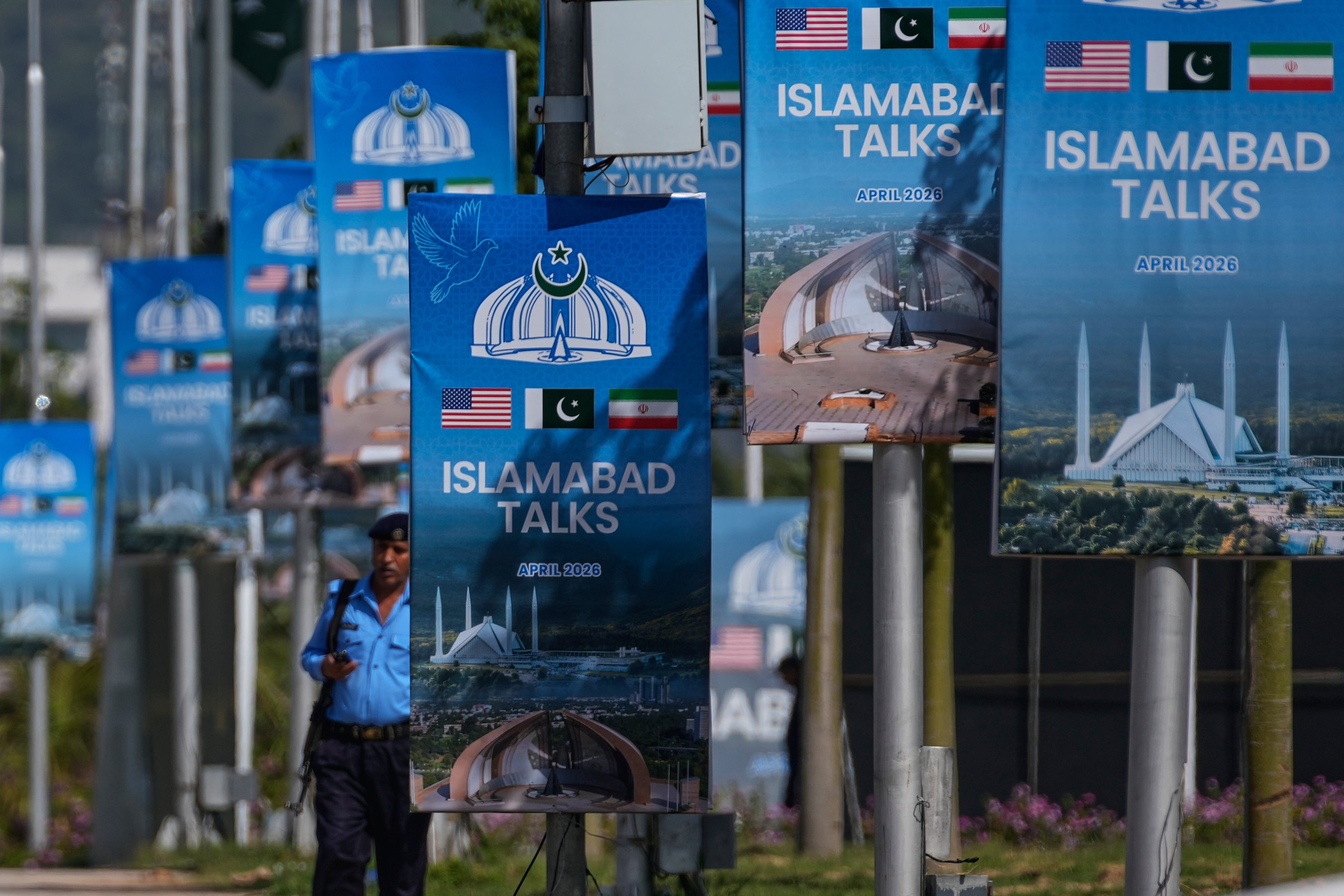
The original ceasefire lasted for 14 days before this new extension was granted. The announcement was made around 10:00 PM Spanish time, which was only a few hours before the deadline. Pakistan is serving as the host for these important meetings, and delegations from both the U.S. and Iran are expected to arrive there soon. The Strait of Hormuz, which remains blocked by the U.S. Navy, is one of the most important water passages in the world for oil shipments. About one-fifth of the world's oil passes through this area, making the blockade a major global issue.
Background and Context
The conflict between the U.S., Israel, and Iran has been growing for a long time. Recent military actions led to a state of near-war, which is why the 14-day ceasefire was created in the first place. Pakistan has stepped in as a middleman to help the two sides communicate because they do not talk directly to each other very often. The main goal of these talks is to find a way to stop the threat of war permanently. However, Iran's government is made up of different factions, including some who are very strict and others who may be more open to a deal. This internal struggle makes it hard for Iran to give the U.S. a clear answer, which is why President Trump is demanding a "unified proposal."
Public or Industry Reaction
The global community has reacted with a mix of relief and worry. Many world leaders are glad that the fighting has not started again, as a war in the Middle East could cause gas prices to rise quickly. However, businesses that rely on shipping are concerned about the ongoing blockade in the Strait of Hormuz. In Pakistan, officials are preparing for the arrival of the negotiators, hoping that their country can help bring peace to the region. Within the U.S., some people support the president's firm stance, while others worry that keeping the blockade in place for too long could lead to a mistake that starts a fight.
What This Means Going Forward
The next few days will be critical for the peace process. Everything depends on whether the Iranian government can agree on a single plan to present to the U.S. delegation in Pakistan. If they can provide a unified proposal, the negotiations will move into a final stage. If they cannot, the ceasefire could end abruptly. President Trump has made it clear that the talks will conclude "one way or another," which suggests that the U.S. is not willing to wait forever. The naval blockade will remain the biggest point of tension during these discussions.
Final Take
This extension is a small but important step away from war. It shows that both sides see some value in talking rather than fighting. However, the peace is very fragile. As long as the Strait of Hormuz is blocked and the two sides are waiting on a unified plan, the risk of conflict remains high. The world now waits to see if diplomacy can succeed where military force has failed. The coming meetings in Pakistan will likely decide the future of the region for a long time to come.
Frequently Asked Questions
Why did President Trump extend the ceasefire?
He extended it because Iran has internal disagreements and needs more time to create a single, unified proposal for peace. He also wants to allow the negotiations in Pakistan to finish properly.
What is the Strait of Hormuz and why is it blocked?
The Strait of Hormuz is a narrow water path used by many oil ships. The U.S. is blocking it with its Navy to keep pressure on Iran during the peace talks.
How long will this new ceasefire last?
There is no specific end date this time. It will last until Iran presents its proposal and the negotiations in Pakistan are completed, "one way or another."