
Summary
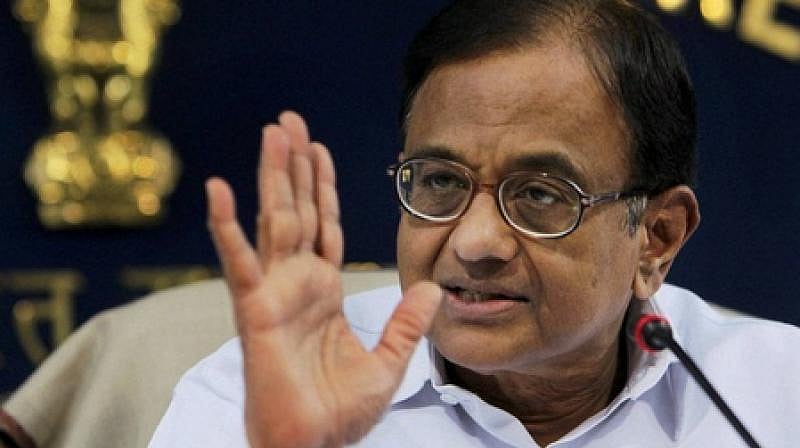
Former Finance Minister P. Chidambaram has publicly criticized US President Donald Trump for his latest trade policies. Chidambaram accused the US leader of using import taxes, known as tariffs, as a weapon against other countries. He also questioned the Indian government’s claims that they had secured a fair trade deal with the United States. This criticism comes after the US Supreme Court blocked some of Trump’s trade moves, leading the President to find new ways to tax foreign goods.
Main Impact
The primary impact of this development is a growing tension in trade relations between India and the United States. By raising tariffs to 15 per cent, the US is making it more expensive for Indian companies to sell their products in the American market. This could hurt India’s economy and reduce the amount of money earned from exports. Chidambaram’s comments highlight a deep concern that the "reciprocal" trade agreement promised by both nations may not actually benefit India as much as the government suggests.
Key Details
What Happened
On Saturday, P. Chidambaram shared his views on social media regarding the ongoing trade dispute. He noted that President Trump is trying to bypass a US Supreme Court ruling that had stopped his previous tariff plan. The court had decided that the President could not use emergency powers to put broad taxes on imports. In response, Trump has introduced new measures to keep the tariffs in place. Chidambaram called this a "weaponisation of tariffs" and said it should be condemned by everyone who supports fair global trade.
Important Numbers and Facts
The trade situation has moved quickly over the last few days. On February 20, 2026, President Trump announced a 10 per cent tax on all imports for a period of 150 days. However, just one day later, he increased that tax to 15 per cent. These new rules are set to begin on February 24, 2026. Chidambaram also pointed back to a Joint Statement made by India and the US on February 2, 2026. At that time, the Indian government celebrated the statement as a major success, but Chidambaram now argues that the reality is very different for Indian businesses.
Background and Context
To understand this issue, it is important to know what a tariff is. A tariff is a tax that a government puts on goods coming in from other countries. President Trump has often used these taxes to protect American businesses and pressure other nations to change their trade rules. In April 2025, he announced "reciprocal tariffs," which meant the US would charge other countries the same amount those countries charged the US. However, the US Supreme Court recently ruled that this specific method was not legal under US law.
India and the US have been trying to work out a trade deal for a long time. The Indian government previously told the public that they had reached a balanced understanding with the Trump administration. Chidambaram is now using Trump’s own words to show that the deal might be one-sided. Trump recently said that "nothing changes" and that India will continue to pay these taxes while the US will not.
Public or Industry Reaction
Chidambaram expressed surprise that some people in India are defending Trump’s actions. He mentioned that certain commentators and social media users seem to support the US tariffs even though they hurt Indian exports. He questioned whether these people understand how much damage these taxes do to global trade rules. Within the political space, the Congress party is using this situation to challenge the ruling government’s claims of diplomatic success. They argue that the government has not done enough to protect Indian exporters from these sudden tax hikes.
What This Means Going Forward
Looking ahead, the increase to a 15 per cent tariff could lead to higher prices for consumers and lower profits for businesses. If the US continues to use these taxes as a tool for negotiation, other countries might retaliate by putting their own taxes on American goods. This could lead to a trade war, where every country tries to protect itself by taxing others. For India, the next few months will be critical. The government will need to decide if they should accept these terms or push back against the US policy to protect local industries like textiles, steel, and technology services.
Final Take
The dispute over tariffs is more than just a disagreement about taxes; it is a test of the relationship between India and the United States. While the Indian government has tried to project a sense of victory in trade talks, the reality on the ground appears more difficult. Chidambaram’s critique serves as a reminder that international trade must be based on clear rules rather than sudden changes in policy. As the new 15 per cent tariff takes effect, the true cost to the Indian economy will soon become clear.
Frequently Asked Questions
What is the "weaponisation of tariffs"?
This phrase refers to using import taxes as a tool or a "weapon" to force other countries to follow certain rules or to give one country an unfair advantage in trade.
Why did the US Supreme Court stop the original tariffs?
The court ruled that the President did not have the legal authority to use emergency economic powers to set broad import taxes without following the proper legal process.
How will the 15 per cent tariff affect India?
It makes Indian products more expensive in the US. This means American customers might buy fewer Indian goods, which can lead to job losses and lower revenue for Indian companies.

