
Summary
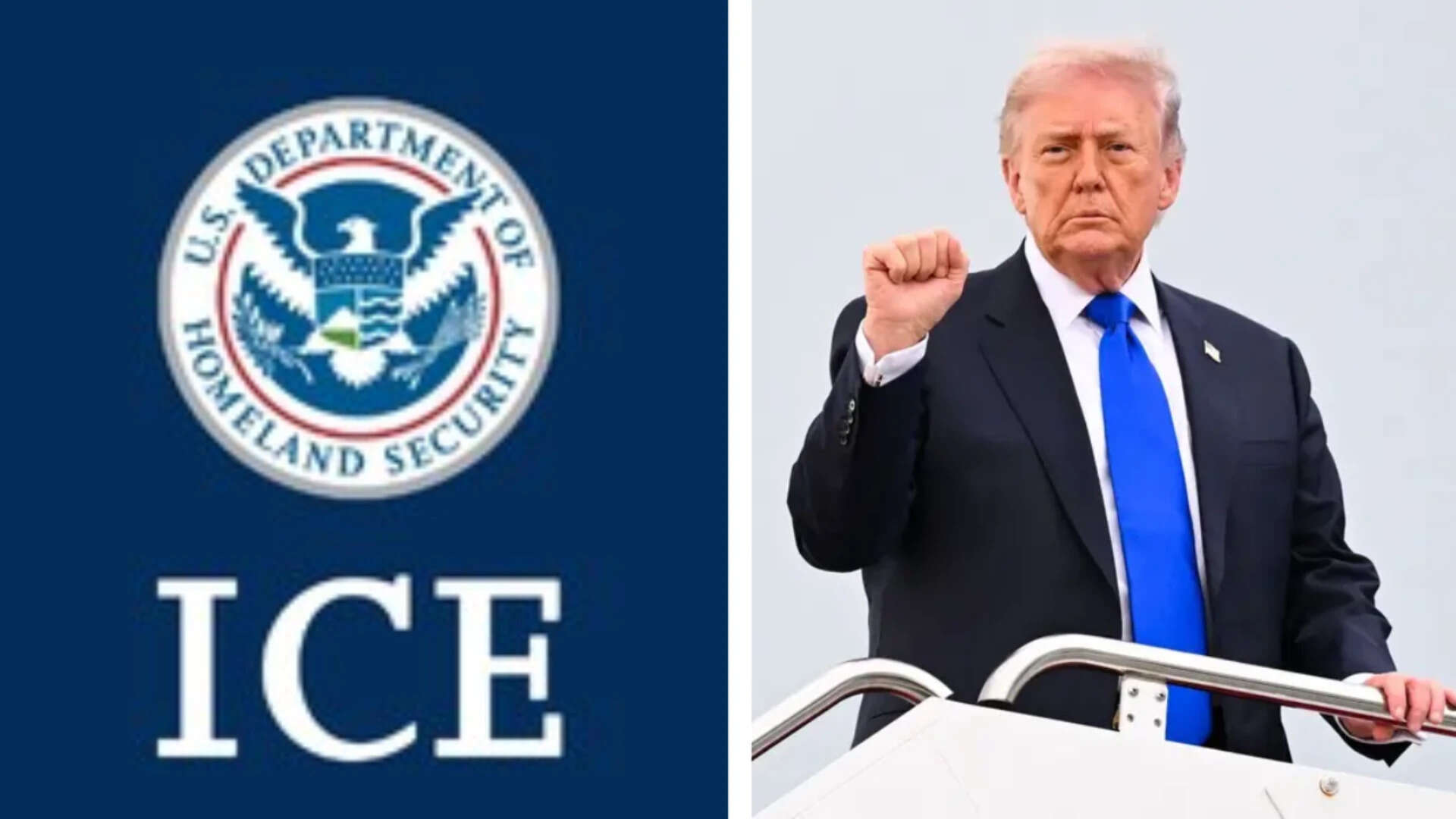
Donald Trump has proposed a plan to rename the U.S. Immigration and Customs Enforcement agency, commonly known as ICE. He wants to change the name to "NICE," which would stand for National Immigration and Customs Enforcement. The goal of this change is to improve the public image of the agency while keeping its core mission of enforcing immigration laws. This proposal comes as part of a larger effort to rebrand federal law enforcement and respond to years of political criticism directed at the agency.
Main Impact
The main impact of this proposal is a major shift in how the government presents immigration enforcement to the public. By adding the word "National" to the title, the agency gains a name that sounds more traditional and perhaps less aggressive to some voters. For years, the name ICE has been at the center of heated political debates. Changing the name to NICE is an attempt to reset that conversation and focus on the agency's role in national security. However, the move also brings up questions about the cost and work required to change the branding of a massive federal office.
Key Details
What Happened
During a series of public events, Donald Trump explained that the current name, ICE, has a reputation that he finds problematic. He suggested that the word "Ice" feels cold and has been used by critics to paint the agency in a negative light. By simply adding an "N" for "National," the acronym becomes "NICE." Trump argued that this new name better reflects the "nice" people who work for the agency and the important work they do for the country. He believes that a name change could help boost morale among officers who feel they have been unfairly targeted by political activists.
Important Numbers and Facts
ICE was created in 2003 following the events of September 11, 2001. It was formed by merging the investigative and enforcement parts of the old Customs Service and the Immigration and Naturalization Service. Today, the agency has more than 20,000 employees and an annual budget that exceeds $8 billion. If the name change goes through, the government would need to update thousands of badges, official uniforms, marked vehicles, and building signs across the country. Experts suggest that a rebranding of this size could cost tens of millions of dollars in taxpayer money.
Background and Context
To understand why this name change is being suggested, it is important to look at the history of the agency. Over the last decade, ICE became a symbol of the divide over immigration policy in the United States. During the "Abolish ICE" movement, many critics called for the agency to be shut down entirely, claiming its methods were too harsh. On the other side, supporters of the agency argue that it is necessary for stopping illegal activity and keeping the borders safe. By proposing the name NICE, Trump is trying to move away from the negative feelings associated with the old name and create a new identity for the organization.
Public or Industry Reaction
The reaction to the proposal has been split along political lines. Supporters of the former president see the move as a clever way to protect law enforcement officers from public hostility. They believe the word "National" adds a sense of pride and authority to the agency. On the other hand, critics argue that changing a name does not change how an agency operates. Some lawmakers have called the idea a "distraction" from more important issues like border policy and legal reform. Civil rights groups have also expressed concern, stating that a friendlier-sounding name might be used to hide controversial enforcement actions.
What This Means Going Forward
Changing the name of a federal agency is not a simple task. It usually requires approval from Congress or a formal executive order that must pass through several legal checks. If the proposal moves forward, there will likely be long debates about the budget needed for the transition. Beyond the paperwork, the change would require a massive update to digital systems, websites, and legal documents. In the coming months, we will see if this idea gains enough support to become a reality or if it remains a talking point for political rallies. The next steps will depend on how much pressure is put on the Department of Homeland Security to adopt the new branding.
Final Take
The proposal to turn ICE into NICE is a clear example of how much power a name can hold in politics. While the change might seem small, it represents a large effort to control the story surrounding immigration enforcement. Whether the public accepts the new name or sees it as a surface-level fix remains to be seen. At its heart, this debate is about more than just an acronym; it is about how the United States views its laws, its borders, and the people who protect them.
Frequently Asked Questions
What does the "N" in NICE stand for?
In the proposed name change, the "N" stands for "National." The full name would be National Immigration and Customs Enforcement.
How much would it cost to change the name?
While there is no official price tag yet, rebranding a federal agency with over 20,000 staff members would likely cost millions of dollars for new uniforms, signs, and equipment.
Does the name change affect what the agency does?
No, the proposal only changes the name and the acronym. The agency's duties, such as investigating illegal trade and enforcing immigration laws, would stay the same.

