Summary
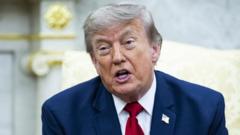
President Donald Trump has dropped a threat to impose a 20% fee on cargo ships passing through the Strait of Hormuz, just 24 hours after announcing it. The decision comes as the United States resumes its blockade of Iranian ports, escalating tensions in the region. The move aims to pressure Iran over its control of the strategic waterway, but the sudden reversal has raised questions about US strategy.
Main Impact
The US decision to scrap the proposed fee on Hormuz cargo ships marks a significant shift in policy. The fee, which was meant to target vessels using the strait, was seen as a way to disrupt Iran's influence. However, the quick reversal suggests internal disagreements or a reassessment of the economic and diplomatic risks. The resumed blockade of Iranian ports, meanwhile, signals a tougher stance against Tehran, potentially affecting global oil shipments and trade routes.
Key Details
What Happened
On July 13, 2026, President Trump announced a 20% fee on all cargo ships passing through the Strait of Hormuz, a vital waterway for global oil transport. The fee was intended to pressure Iran, which has long used the strait as leverage. But just 24 hours later, the White House confirmed the threat was dropped. Instead, the US has resumed a blockade of Iranian ports, a move that had been paused earlier this year.
Important Numbers and Facts
The Strait of Hormuz handles about 20% of the world's oil supply. The proposed fee would have affected thousands of ships annually, potentially raising costs for consumers. The blockade targets Iranian ports like Bandar Abbas, which handle a large share of Iran's trade. The US Navy has increased patrols in the region to enforce the blockade.
Background and Context
The Strait of Hormuz is a narrow waterway between Iran and Oman. It is a key route for oil tankers from the Middle East. Iran has threatened to close the strait in the past to protest US sanctions. The US blockade of Iranian ports is part of a long-running effort to limit Iran's economy and nuclear program. The fee proposal was seen as a new tactic, but it faced criticism from shipping companies and allies who said it could disrupt global trade.
Public or Industry Reaction
Shipping industry groups welcomed the decision to drop the fee. They had warned it would raise costs for goods and fuel. Some US lawmakers also criticized the fee, saying it could hurt American consumers. Iran called the fee reversal a "victory" but condemned the blockade as illegal. Allies like Saudi Arabia and the UAE expressed concern about the blockade's impact on regional stability.
What This Means Going Forward
The US now relies on the blockade to pressure Iran, but this approach carries risks. The blockade could lead to shortages in Iran and raise tensions with other countries. It may also push Iran to take more aggressive actions in the strait. The quick reversal on the fee shows the US is still testing strategies. The situation remains fluid, and further changes in policy are possible.
Final Take
The Trump administration's sudden shift from a fee to a blockade highlights the challenges of managing a complex geopolitical issue. While the blockade is a stronger tool, it also carries higher risks of conflict. The world will be watching to see if this move achieves its goals or leads to more instability in a critical region.
Frequently Asked Questions
Why did Trump drop the 20% fee on Hormuz cargo ships?
The fee was dropped after criticism from shipping companies and allies who said it could disrupt global trade and raise costs. The US decided to focus on the blockade instead.
What is the Strait of Hormuz and why is it important?
The Strait of Hormuz is a narrow waterway between Iran and Oman. It is a key route for oil tankers, handling about 20% of the world's oil supply. Control of the strait gives Iran leverage in global energy markets.
How does the US blockade of Iranian ports work?
The US Navy patrols the waters near Iranian ports to stop ships from entering or leaving. This limits Iran's ability to trade and export oil, putting economic pressure on the country.