Summary
President Donald Trump has officially decided that Kurdish forces should not join the ongoing war against Iran. While Israel has been trying to bring Kurdish fighters into the conflict to pressure the Iranian government, Trump stated he wants to avoid making the situation more complicated. This decision comes at a tense time as the United States and Israel continue to carry out military strikes against targets inside Iran. Trump emphasized that while he has a good relationship with the Kurds, he believes it is best for them to stay out of this specific fight.
Main Impact
The decision to keep Kurdish forces out of the war changes how the conflict might develop on the ground. Israel had hoped that Kurdish groups would move into northwestern Iran to start an uprising against the government in Tehran. By blocking this move, the U.S. is limiting the war to direct military strikes rather than a wider ethnic rebellion. This move also helps prevent further tension with Turkey, which strongly opposes any increase in Kurdish military power near its borders. It shows that the U.S. is trying to control the scale of the war even as fighting continues.
Key Details
What Happened
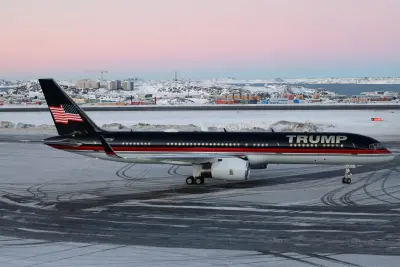
President Trump shared his decision while traveling on Air Force One. He was returning from a memorial service for six American soldiers who were recently killed in the conflict with Iran. During his talk with reporters, he explained that Kurdish leaders had expressed a willingness to join the fight. However, Trump told them directly that he did not want them to participate. He noted that the war is already difficult and adding more groups to the battlefield would only make things harder to manage.
Important Numbers and Facts
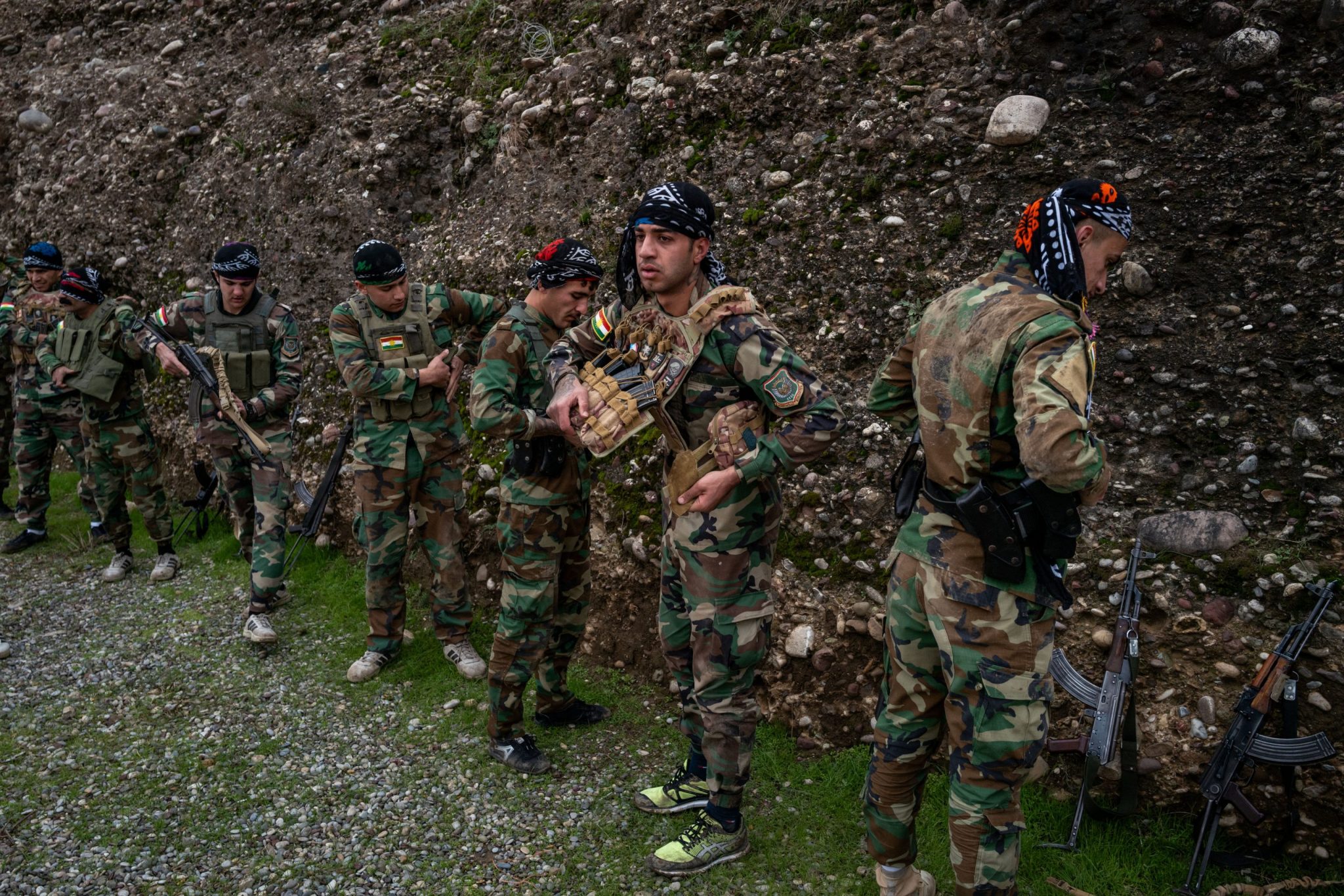
The conflict has already led to the deaths of six U.S. Army members, highlighting the high stakes of the current military actions. The Kurdish people are known as the largest ethnic group in the world without their own country, with millions living across Iraq, Iran, Turkey, and Syria. In the past, specifically in 1991, the U.S. provided air protection that helped the Kurds set up their own local government in northern Iraq. Today, while some Kurdish groups are ready to fight, experts say they are divided and might not have the strength to defeat the Iranian military on their own.
Background and Context
The relationship between the United States and the Kurds has been long and complicated. For many years, the U.S. has used Kurdish fighters as allies in different wars, such as the fight against terrorist groups in Iraq and Syria. Because the Kurds live in the border areas of Iran, they are in a unique position to cause trouble for the Iranian government. Israel saw this as an opportunity to weaken Tehran from the inside. By encouraging Kurds to rise up, Israel hoped to force Iran to fight on multiple fronts at the same time.
However, using Kurdish forces is never a simple choice. The region is home to many different interests. For example, Turkey views many Kurdish political and military groups as a threat to its own safety. If the U.S. supported a Kurdish uprising in Iran, it could damage the relationship between Washington and Turkey. Additionally, the Iraqi Kurdish government in Erbil is worried about being dragged into a massive war that could destroy the stability they have built over the last few decades.
Public or Industry Reaction
The reaction to Trump’s decision has been mixed across the region. Iranian officials have already taken action, stating that they have launched strikes against Kurdish groups based in Iraq. Ali Larijani, a high-ranking Iranian official, warned that his country would not allow any movements that try to break Iran apart. He made it clear that Iran views these groups as a major threat to its national security.
Turkey has also spoken out, agreeing that Kurdish separatist movements are a danger to the entire region. They believe that if these groups gain too much power, it could lead to more instability in neighboring countries. Meanwhile, some military experts suggest that even if the Kurds did enter the war, they are too fragmented to make a big difference. They argue that while the Kurds can cause problems on the border, they do not have the heavy weapons or unity needed to take on the full Iranian army.
What This Means Going Forward
By ruling out Kurdish involvement, the Trump administration is signaling that it wants to keep the war focused on specific military goals. This might make it easier to talk with regional partners like Turkey, but it could frustrate leaders in Israel who wanted a more aggressive strategy. In the coming weeks, the U.S. will likely continue its aerial campaign while trying to keep the ground war from spreading into ethnic territories.
There is also the question of what the Kurds will do next. While Trump has told them to stay out, some smaller groups might still try to take advantage of the chaos in Iran. If these groups act on their own, it could still draw the U.S. or its allies into a larger mess. The U.S. will have to watch the borders closely to make sure the conflict does not spiral out of control in ways they did not plan for.
Final Take
Trump is choosing a path of caution by keeping Kurdish forces on the sidelines. While the Kurds have been reliable allies in the past, their involvement in the Iran war brings too many risks for the U.S. and its regional partners. By saying no to this plan, the President is trying to keep a difficult war from becoming an even larger regional disaster that could last for years.
Frequently Asked Questions
Why did Trump say no to the Kurds joining the war?
Trump believes that involving Kurdish forces would make the war too complex. He wants to keep the conflict focused and avoid starting a wider ethnic rebellion that could involve other countries like Turkey.
What was Israel's goal for the Kurdish forces?
Israel wanted Kurdish fighters to take up positions in northwestern Iran. The hope was that they would encourage local people to rise up against the Iranian government, creating internal pressure on Tehran.
How has Iran reacted to the possibility of Kurdish involvement?
Iran has already attacked Kurdish groups in northern Iraq and warned that it will not tolerate any separatist movements. They view these groups as a threat to their borders and national unity.