
Summary
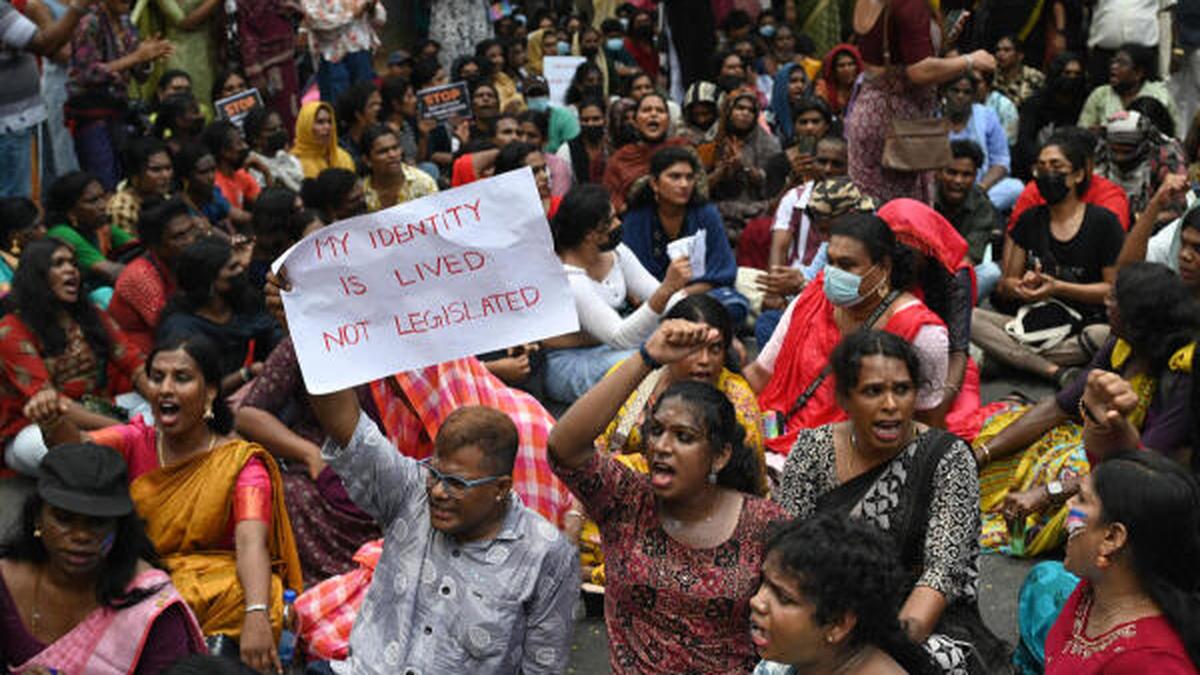
A large group of protesters from the transgender, intersex, and gender-diverse communities recently held a march toward Lok Bhavan. The demonstration was organized to voice strong opposition against a new Bill concerning transgender rights. During the protest, members of the community burned copies of the Bill to show their anger and demand its immediate withdrawal. They argue that the proposed law ignores their basic human rights and takes away their power to decide their own gender identity.
Main Impact
The protest marks a significant moment of tension between the government and the LGBTQ+ community. By marching to a major government building like Lok Bhavan, the protesters have brought national attention to their concerns. The main impact of this movement is the call for "gender self-determination." This means that a person should be able to choose their own gender without needing a doctor or a government official to approve it. If the Bill remains in its current form, activists believe it will lead to more discrimination and make it harder for transgender people to live with dignity.
Key Details
What Happened
The march saw hundreds of people gathering to express their frustration with the legal system. As they reached the area near Lok Bhavan, the atmosphere became tense. Protesters carried banners and shouted slogans calling for justice and equality. The most symbolic part of the event was the burning of the Bill. This act was meant to show that the community completely rejects the rules written in the document. They claim the Bill was drafted without enough input from the people it actually affects.
Important Numbers and Facts
The protesters represent a wide range of people, including those who identify as transgender, intersex, and gender-diverse. Their primary legal argument is based on a previous court ruling that stated every person has the right to choose their gender identity. The Bill in question reportedly requires individuals to go through a screening process or provide medical proof before they can change their legal documents. Activists say this process is slow, unfair, and violates the privacy of the individuals involved.
Background and Context
To understand why this protest is happening, it is important to know about the history of transgender rights in the country. For a long time, the community has fought for legal recognition. A few years ago, a major court decision gave people the right to identify as a "third gender." This was seen as a huge win for human rights. However, the new Bill seems to go backward. Instead of making things easier, it introduces new hurdles. For example, it asks people to apply for a certificate of identity from a district magistrate. Many feel this treats their identity like a permit rather than a natural right.
Public or Industry Reaction
The reaction from human rights groups has been very supportive of the protesters. Many legal experts have pointed out that the Bill might be unconstitutional because it treats transgender people differently than other citizens. On social media, the hashtag for the protest trended as people shared photos of the march. On the other hand, some government supporters argue that the Bill is necessary to prevent fraud and to have a formal system for records. However, the community says that these "safety measures" are just another way to control their lives and bodies.
What This Means Going Forward
This protest is likely just the beginning of a longer legal and social battle. If the government does not withdraw or change the Bill, the community may take the matter to the higher courts. There is a strong possibility that the law will be challenged on the grounds that it violates the right to equality and privacy. In the coming months, we can expect more discussions between community leaders and lawmakers. The goal for the protesters is to ensure that any law passed in the future is based on respect and the freedom to choose one's own path.
Final Take
The march to Lok Bhavan shows that laws cannot be made for a community without including them in the conversation. When a law feels like a step backward, people will naturally stand up to protect their rights. For the transgender and gender-diverse community, this is not just about a piece of paper; it is about the right to exist as they are. The government now faces a choice: they can either listen to these voices or face continued protests and legal challenges that could last for years.
Frequently Asked Questions
Why are people protesting the new Bill?
People are protesting because they believe the Bill takes away their right to choose their own gender identity. They feel the requirement for medical or government approval is unfair and violates their privacy.
What does "gender self-determination" mean?
It is the idea that every person should have the right to decide their own gender identity based on how they feel inside, without needing a doctor or a legal process to prove it.
What was the significance of burning the Bill?
Burning the Bill was a symbolic act of protest. It showed that the community does not accept the proposed law and wants the government to start over with a version that respects their rights.



