
Summary
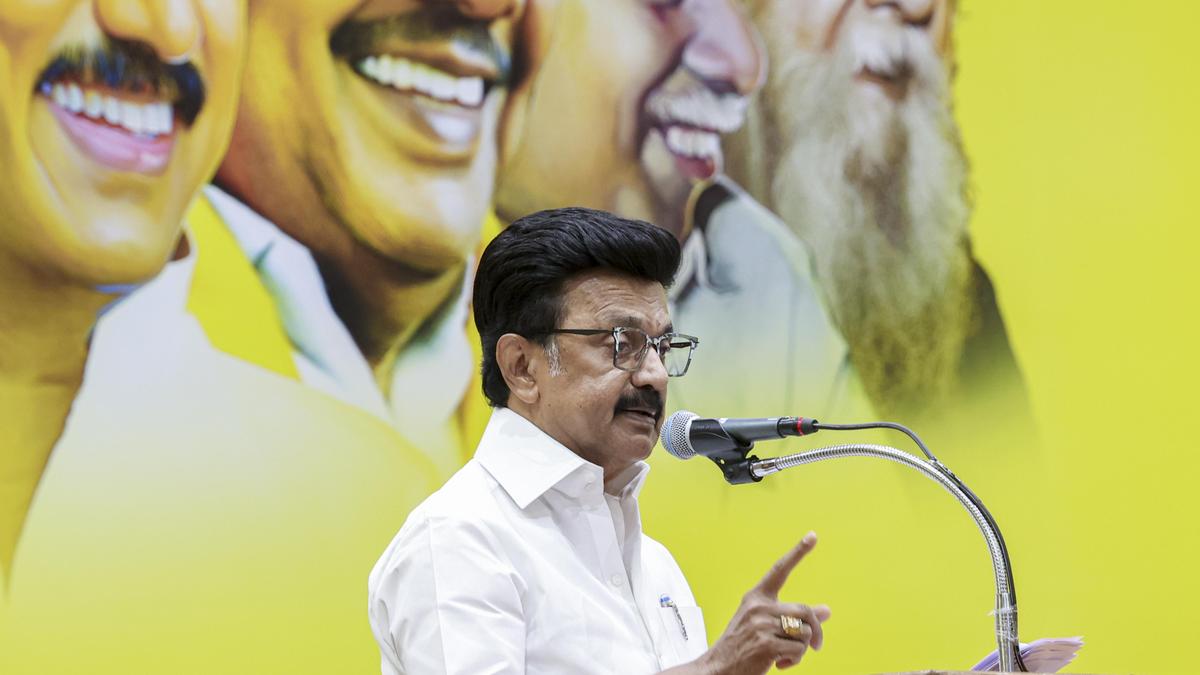
Tamil Nadu Chief Minister M.K. Stalin has called on the Central Government to halt the progress of the Trans Amendment Bill 2026. He argued that the government should not force new rules on the transgender community without their full agreement. Stalin emphasized that the BJP-led Union Government must engage in honest talks with those the law will affect most. This move highlights a growing demand for inclusive law-making that respects the voices of marginalized groups.
Main Impact
The primary impact of this statement is the increased pressure on the Central Government to rethink its legislative process. By speaking out, the Tamil Nadu Chief Minister has turned a regional concern into a national debate about human rights and democratic participation. If the Centre ignores this call for consensus, it could lead to further friction between state and federal authorities. For the transgender community, this support from a major state leader provides a stronger platform to demand changes that truly reflect their needs and safety.
Key Details
What Happened
The controversy centers on the Trans Amendment Bill 2026, which proposes several changes to how transgender rights are managed in India. Chief Minister Stalin expressed his concerns publicly, stating that the current approach by the Centre feels like an imposition rather than a collaborative effort. He urged the government to pause the bill and create a space where transgender individuals can share their views and help shape the final version of the law.
Important Numbers and Facts
The original Transgender Persons (Protection of Rights) Act was passed in 2019, but it faced heavy criticism from activists for various reasons. The 2026 amendment aims to update these rules, but critics say it still misses the mark. Tamil Nadu has a long history of supporting this community, having established the country’s first Transgender Welfare Board in 2008. Because of this history, the state’s leadership feels a strong responsibility to ensure that federal laws do not undo the progress made at the state level.
Background and Context
This topic matters because transgender people in India often face significant challenges in daily life, including difficulty getting jobs, healthcare, and legal identification. For a long time, laws did not recognize their identity properly. While the 2019 Act was a step toward recognition, many felt it required too much paperwork or medical proof to change legal documents. The 2026 amendment is the latest attempt to fix these issues, but many in the community feel they are being talked about rather than talked to. Stalin’s intervention reminds the public that laws about a specific group should be made with that group’s active participation.
Public or Industry Reaction
The reaction to Stalin’s statement has been largely positive among human rights groups and transgender activists. Many community leaders have shared that they feel ignored by the Central Government’s fast-paced legislative style. They argue that rushing a bill through Parliament without proper debate leads to mistakes that take years to fix. On the other hand, some supporters of the Central Government argue that the amendment is necessary to modernize the system and that they have already conducted enough consultations. However, the lack of a clear, public consensus suggests that more work is needed to bridge the gap between the government and the people.
What This Means Going Forward
Looking ahead, the Central Government faces a choice. They can either push the bill through and risk legal challenges in the courts, or they can take Stalin’s advice and open a new round of talks. If they choose to wait and listen, it could set a new standard for how laws for minority groups are written in India. There is also the possibility that other states might follow Tamil Nadu’s lead and demand more input on federal bills. This situation will likely lead to more protests or public forums where the community can voice their specific concerns about identity certificates and social security benefits.
Final Take
Good governance is not just about passing laws; it is about making sure those laws actually help the people they are meant for. When a community says a law does not represent them, the government has a duty to listen. Chief Minister Stalin’s call for consensus is a necessary reminder that in a democracy, the people’s voice should always come before political speed. True progress can only happen when everyone involved feels heard and respected.
Frequently Asked Questions
What is the Trans Amendment Bill 2026?
It is a proposed law by the Central Government that seeks to change and update the existing rules regarding the rights and legal recognition of transgender people in India.
Why is the Tamil Nadu Chief Minister opposing it?
He is not necessarily against the idea of a bill, but he is against passing it without first talking to the transgender community and reaching a common agreement on the rules.
What does "consensus" mean in this context?
Consensus means that the government and the transgender community should work together until they reach a general agreement that satisfies the needs and rights of the people affected by the law.



